Theme
-
The jobs and training are there – why won’t young Swedes and Danes just cross the bridge?
20 minutes. That is all it takes to travel between Denmark and Sweden. Still, many young adults have yet to discover the opportunities on the other side of the Öresund. Now, a new Interreg project is using communication, new knowledge and new networks to help create a more integrated labour and education market.
13 minutes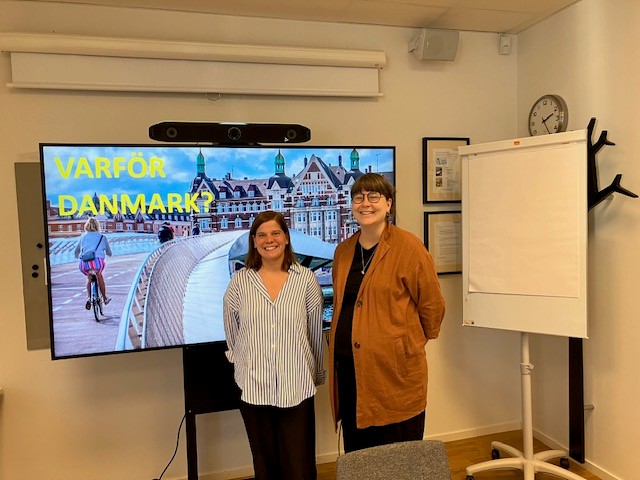
-
Commuting between two worlds: from Copenhagen to the Swedish forest
Danish Jeppe Skovgaard commutes between his home in Swedish Småland and the Copenhagen-based part of his business. Meanwhile, his Swedish wife Åsa looks after the couple’s retreat centre deep in the Swedish forests, where they live with their two daughters.
7 minutes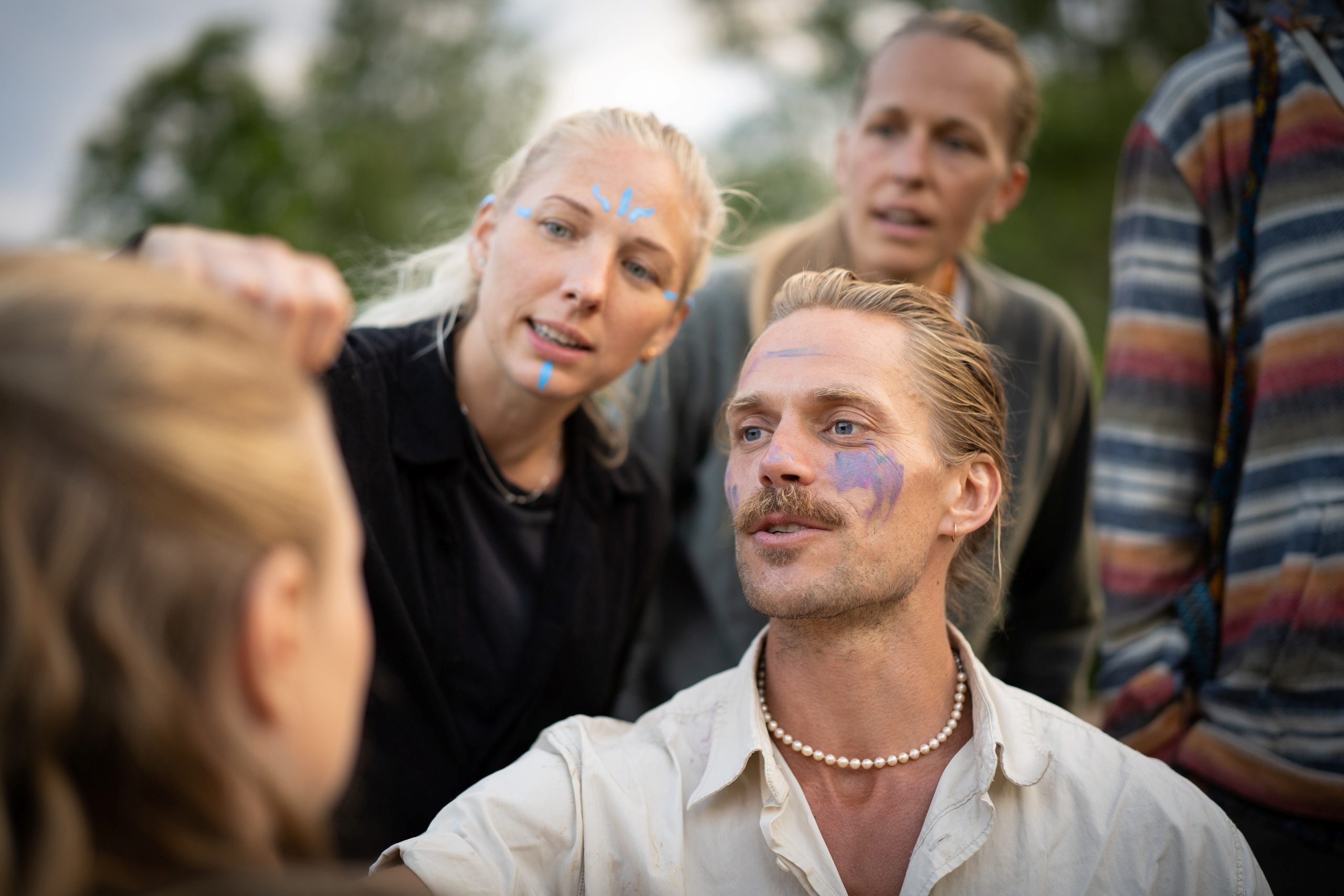
-
Beyond border obstacles: the Nordics tackle the systems that keep people apart
After a decade of tackling individual cross-border obstacles, the Nordic Freedom of Movement Council is taking a broader approach. Its priorities now include cross-border digital identity, access to pension rights and protecting freedom of movement during future crises.
6 minutes
-
Nordic culture exercise its resilience on fortress island of Suomenlinna
On the Suomenlinna island outside Helsinki, Nordic artists, culture workers and institutions meet as resources dwindle and working conditions get harder. Despite budget cuts, cooperation is growing, as is a shared conviction that culture is not a luxury but part of the Nordic region’s resilience. Suomenlinna’s role as a fortress is relevant again.
11 minutes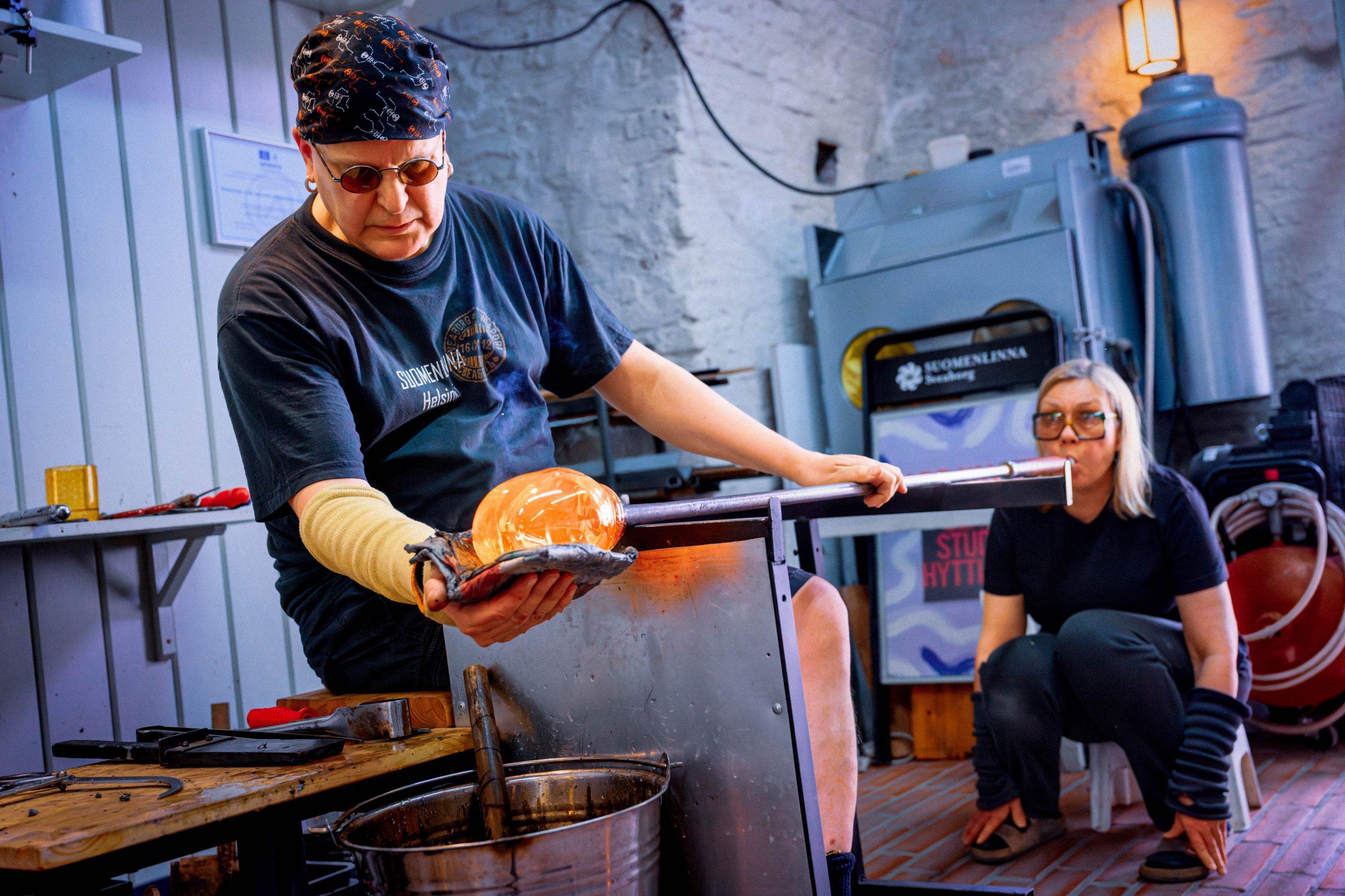
-
Life on Suomenlinna – a haven between canons and thermos flasks
A typical archipelago island, but with Helsinki within sight. Suomenlinna, the fortress island with a military and bloody history, was constructed to keep the Russians away. Today, tourists are invading this Nordic haven.
6 minutes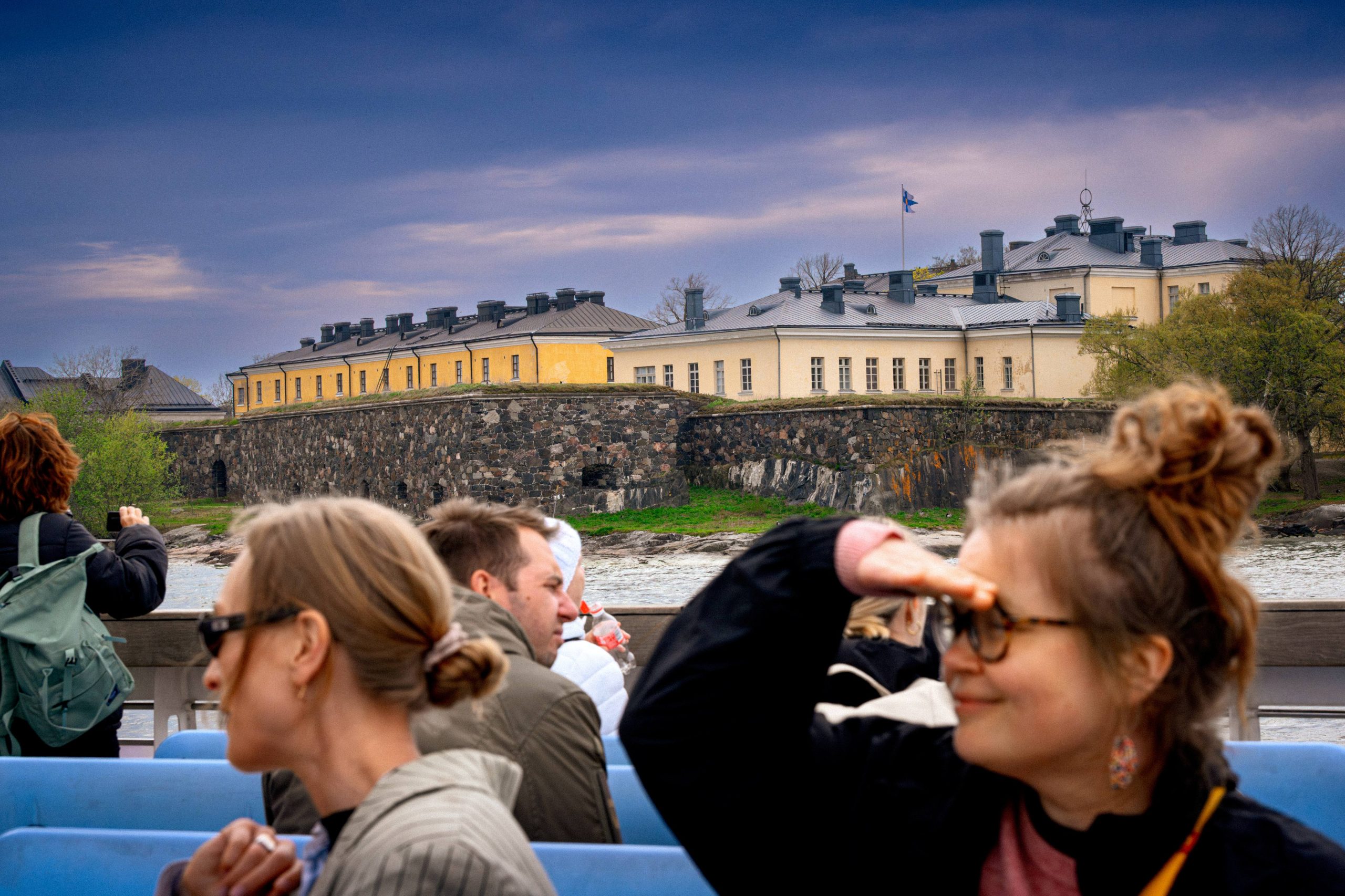
-
DJ and inclusion consultant without job security
Laura Astrid Colstrup has chosen to forgo a permanent job, a pension scheme and unemployment insurance in favour of a life as a self-employed person with four sources of income and a working community for the self-employed.
7 minutes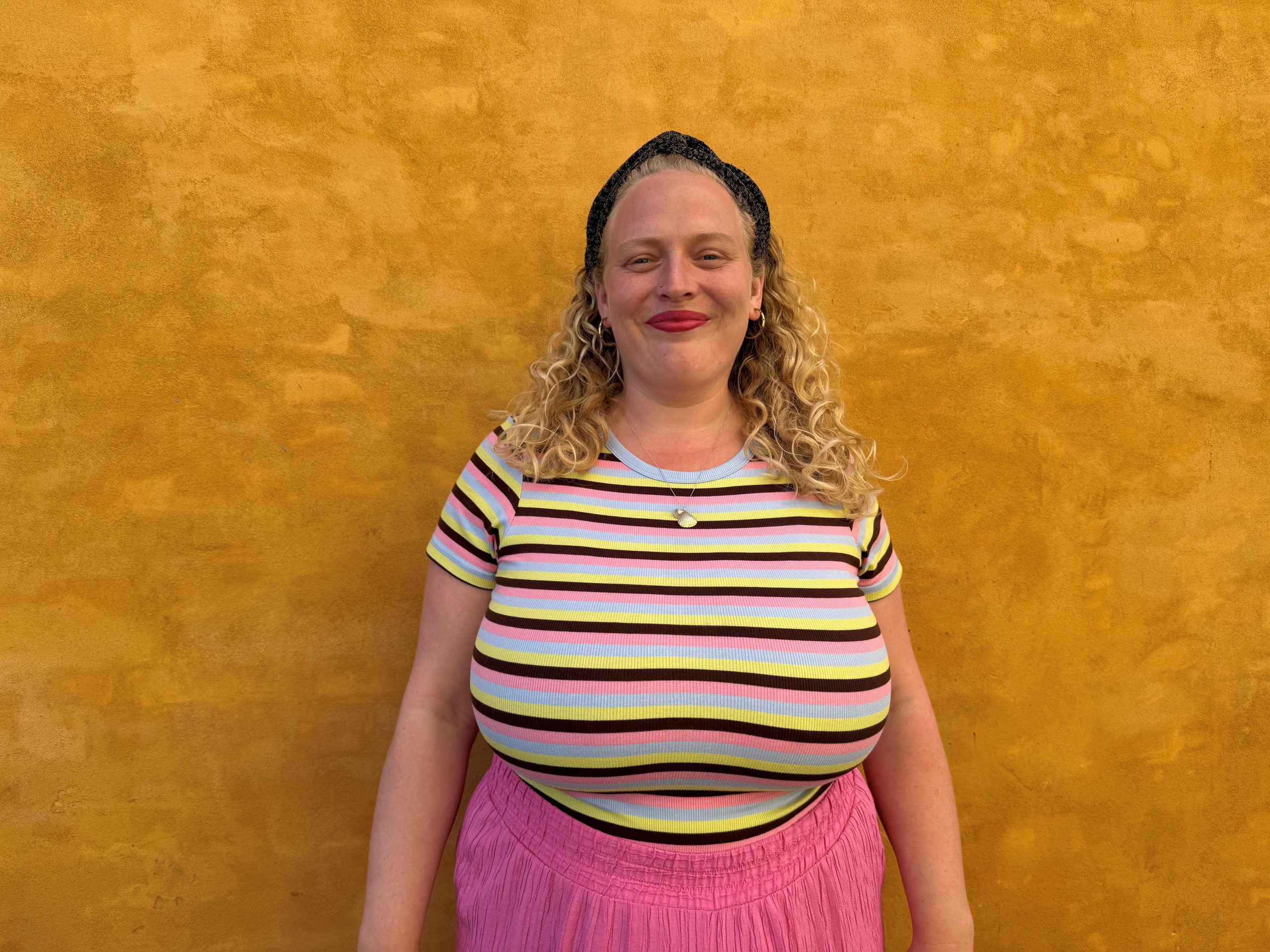
-
Jazz musician on working life: “You have to take responsibility for your own career”
Norwegian Drummer and improvisor Tollef Østvang never expected to find a permanent job as a musician. As a freelance jazz musician he has chosen artistic freedom and his own projects, but feels welfare schemes are poorly adapted to indepentend artists’ needs. Now, LO Selvstendig (LO Self-employed) seeks better systems for these types of jobs.
10 minutes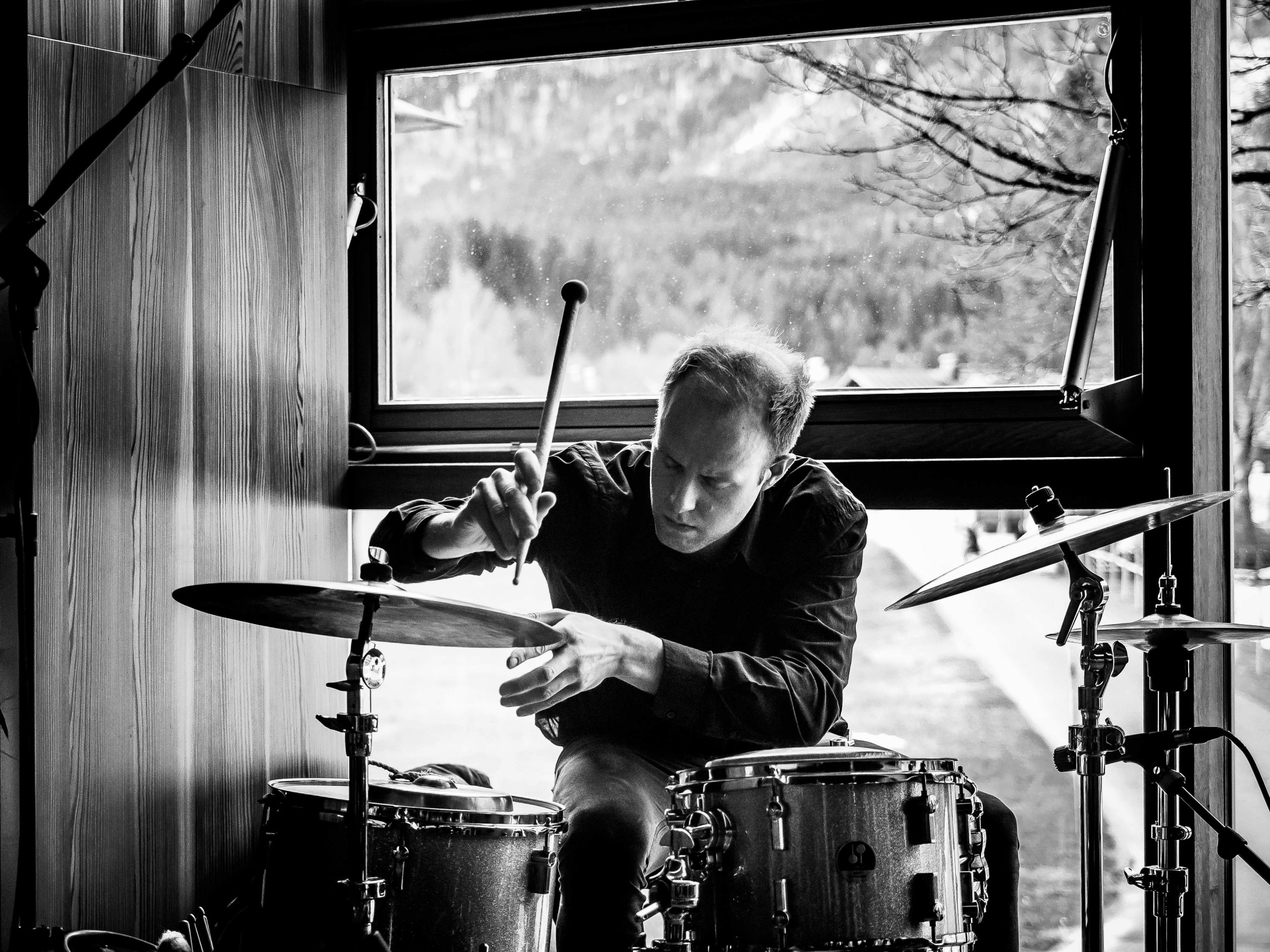
-
The freelancer making a living from her love of dogs
Training a support dog handler is about improving the human’s skills – not the dog’s. Behind the concept is a freelancer who has been making a living for more than 20 years from a life-long true passion: our four-legged friends.
8 minutes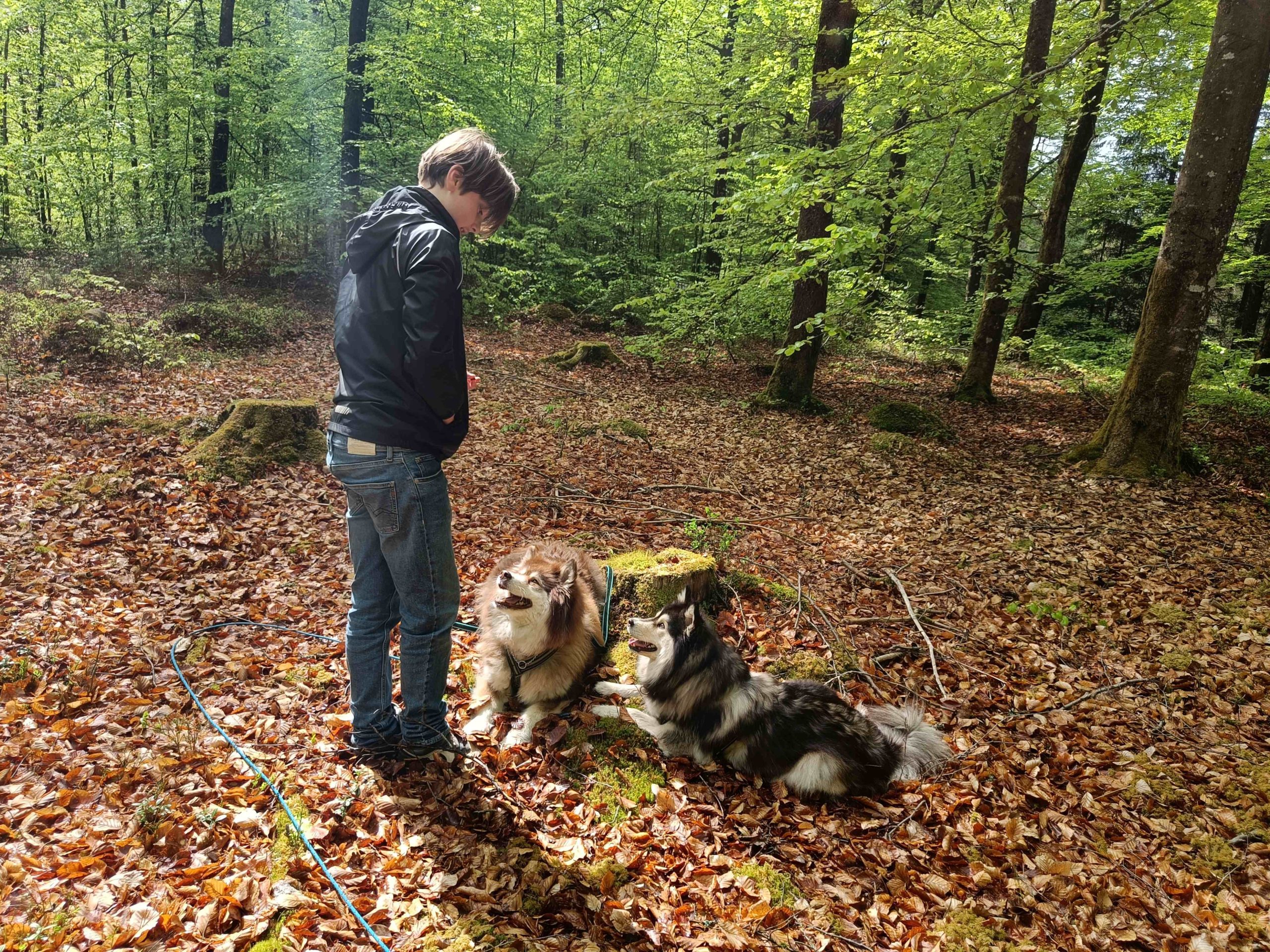
-
“You can’t afford to be ill when you run your own business”
Sunniva Johanna Troll Imhof is at home on parental leave with her second child. Being a self-employed physiotherapist brings greater economic uncertainty than if she had been permanently employed.
7 minutes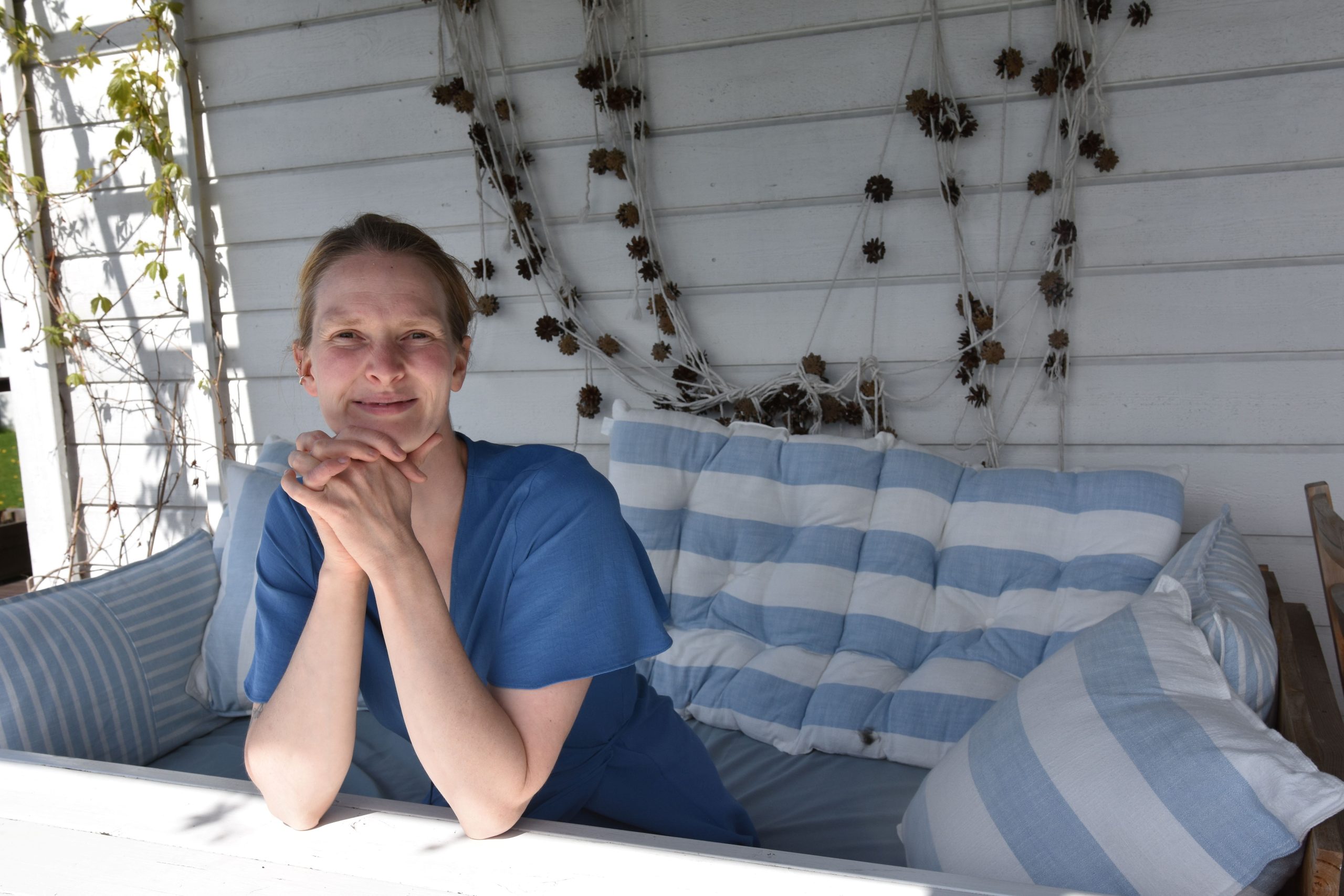
-
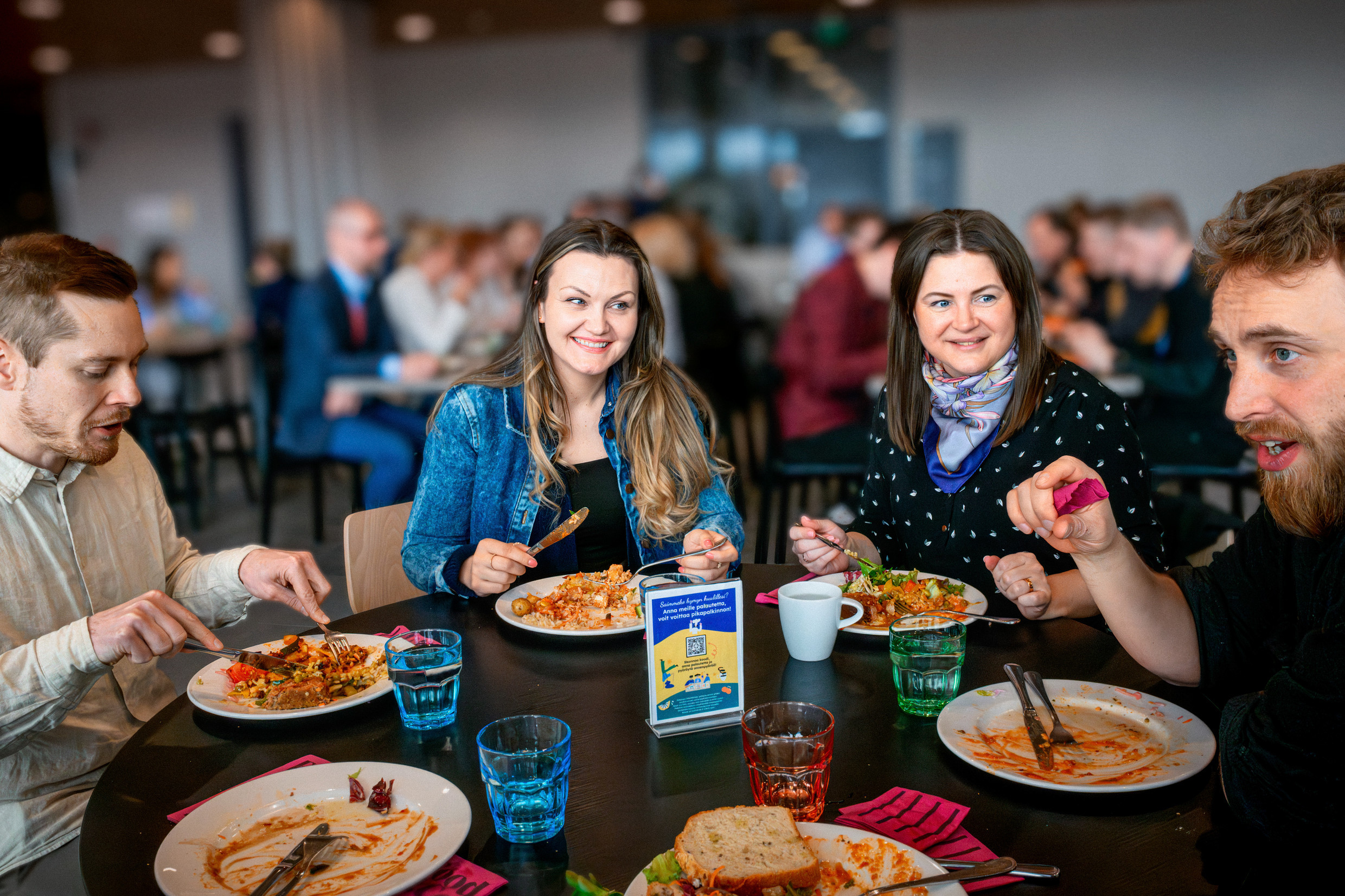
The role of the lunch in working life: More than a meal
The lunch break is the highlight of the day at HTC Waterfront in Keilaniemi, Espoo. It is a social meeting place with hot food and lively conversations. At the same time, new studies point to a different trend: shorter and fewer lunch breaks in the Nordics.
8 minutes