
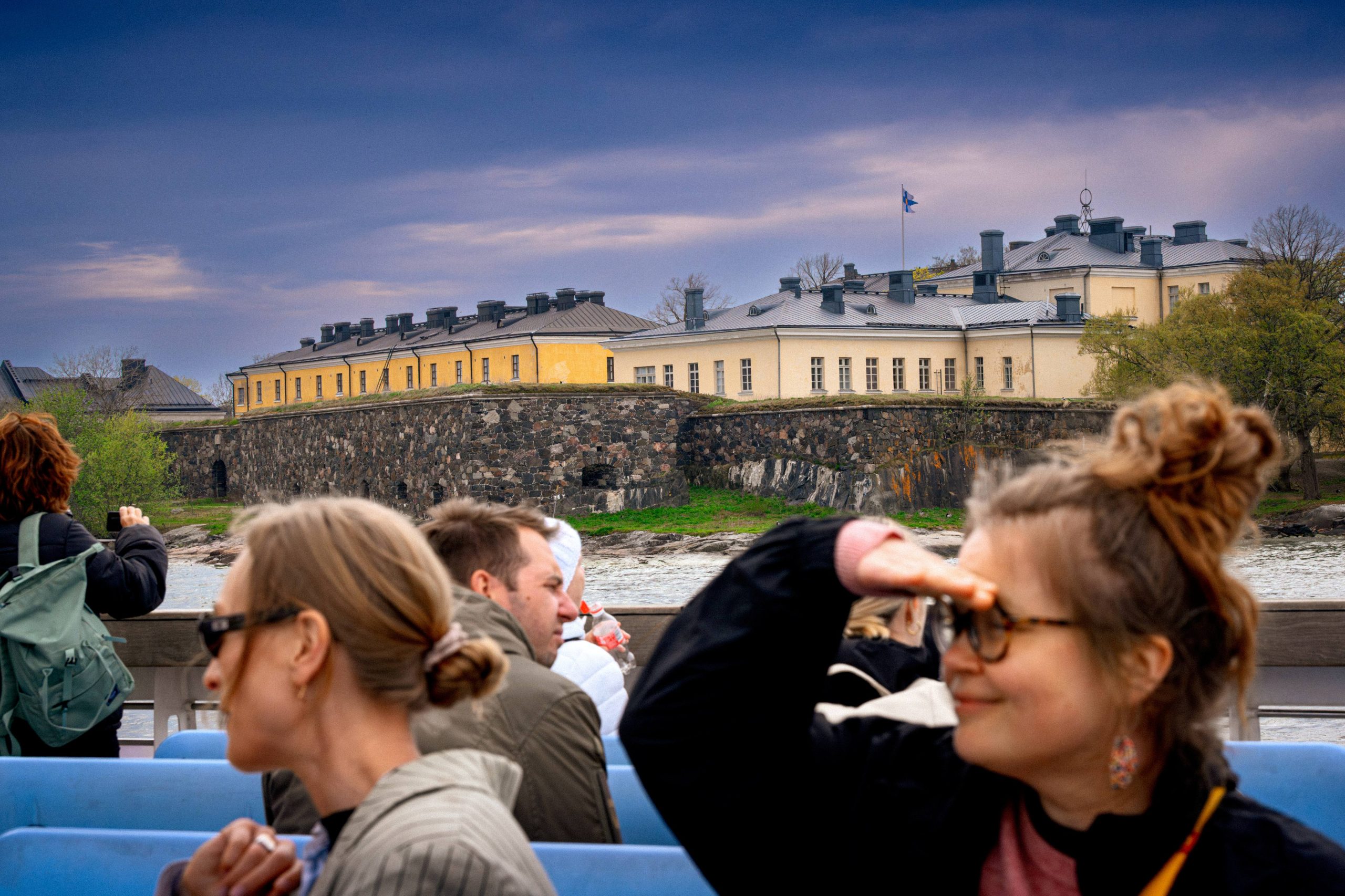
Large cruise ships and passenger ferries sailing between Sweden and Finland pass daily through the narrow strait by the Kustaanmiekka bastion. Suomenlinna has been called the Gibraltar of the North.
Read the article in Swedish on Arbeidsliv i Norden
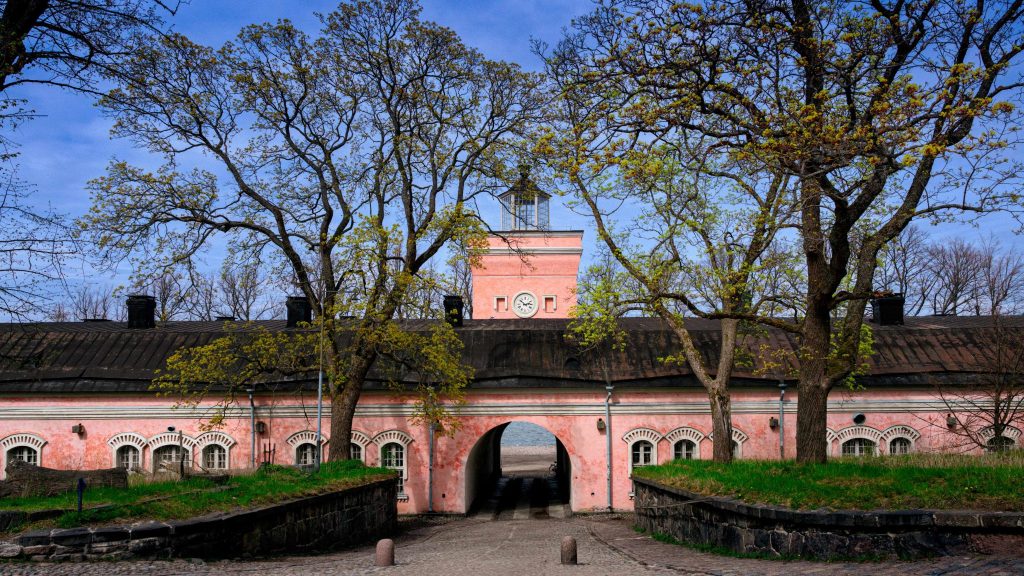
In 1991, the fortress was included in UNESCO’s World Heritage List as a unique monument to Nordic military architecture. This means Finland has to preserve the area in the most authentically possible way – including maintaining more than six kilometres of defensive walls.
Many want to live here
Just over 800 people live on Suomenlinna. Some work on the island, mainly in tourism, the armed forces and in the service industry.
But many older school children and adults commute daily to the mainland. The ferry journey to Salutorget below the presidential palace takes 15 minutes.
When a house becomes available, it is allocated by lottery. This only happens a few times each year. The governing body of Suomenlinna acts as landlord and gives priority to families with children to keep the school and kindergarten going.
Children are said to have a good and safe life on Suomenlinna, where they get to be children a little longer than on the mainland. The small library has a large selection of children’s books, mostly in Finnish but also in Swedish and other languages.
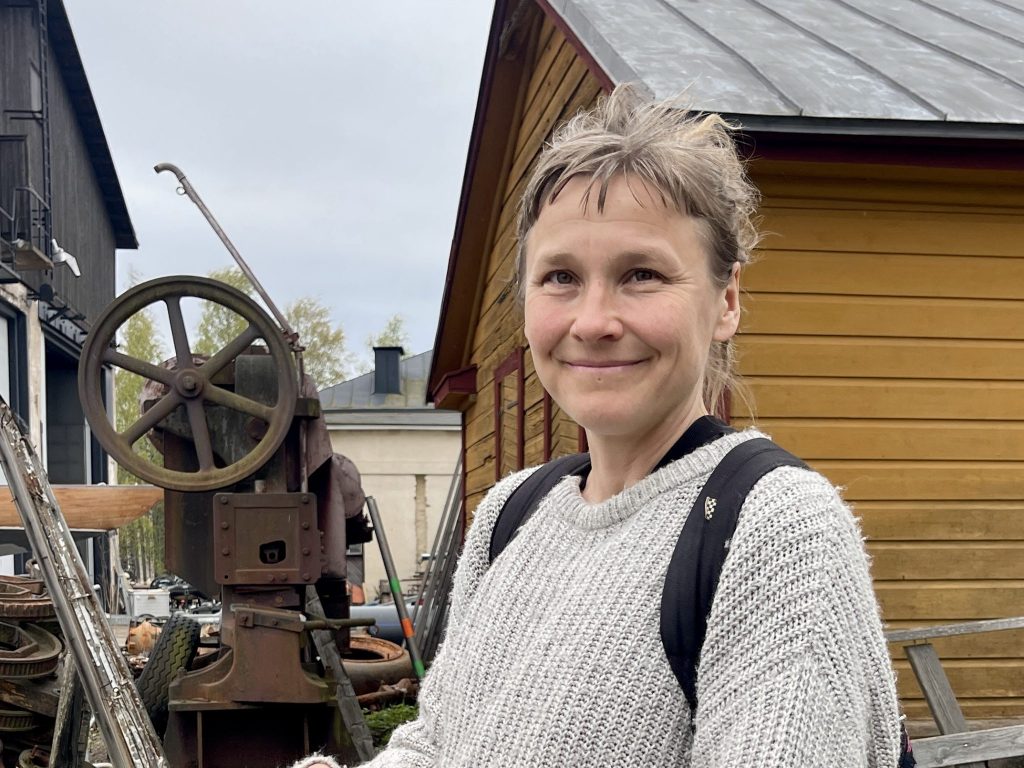
Ninnu Räihä is walking her dogs. She is quite a typical Suomenlinna resident who sought a quiet but creative environment with historic buildings. She has now been living here for two years.
She moved in as a subtenant with her child who is now in school on the mainland. Later she moved to a different house.
All Suomenlinna houses are old and have been used by the military or prison service. They are maintained but residents have stories of draughty apartments, wood heating and strange noises that sparks the imagination.
Ninnu Räihä is happy with her home and the surroundings. She says she knows the oldest and youngest island residents best, while it is harder to get to know those who commute to Helsinki every day.
“It’s easy to enjoy being with likeminded people, there’s a sense of belonging and community here,” says Ninnu.
Suomenlinna is a creative place with artists, musicians and craftspeople.
Craft trades live on
Ninnu is a jewellery artist but downplays that aspect. Instead, she mainly spends time at the old shipyard, cooking and cleaning.
The shipyard has a smithy that operates all year, and in winter, many people maintain their boats here – from larger wooden schooners in the dock to smaller boats along the shores.
After spending many years on the island, a dog lover surely gets to know the secret trails that are said to be necessary to avoid the large visiting crowds in the summer.
Many people are bothered by the tourists, but Ninnu does not seem to be. In the summer, she is one of the crew on a vessel that takes tourists out into the archipelago.
One resident says she takes the whole of June and July off in order to escape the tourists. Many houses sport signs asking for privacy. But the tourists seem to be accepted even if their presence takes its toll on buildings and paths.
As is the case for many islands, they also provide crucial income.
Major military construction when Finland was part of Sweden
Tension in the Baltic Sea region is nothing new. That is really why Suomenlinna was constructed.
Back then, it was one of the Baltic Sea’s most important military installations.
The construction of Suomenlinna started in 1748 while Finland was still part of Sweden. The fortress would protect the kingdom’s eastern borders and became the base for the Swedish archipelago fleet at the entrance to Helsinki.
It was known as the Gibraltar of the North.
During its peak, more than 6,000 soldiers and prisoners worked on its construction. Suomenlinna became a leading centre of innovation and culture in the 18th century, and shipbuilding also began at the dockyard with its large dry dock.
The military presence was visible in Helsinki too, which later replaced Turku as the capital in 1812. By then, Finland had become an autonomous grand duchy under the Russian Emperor.
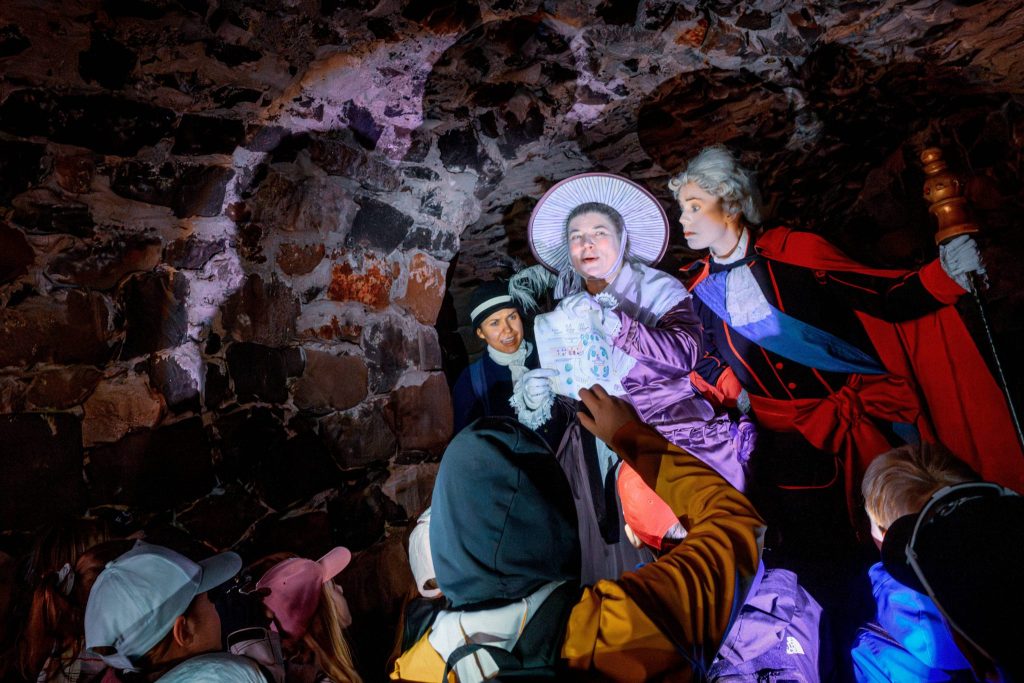
Dramatic history under different flags
The Swedish story did not have a happy ending. The supposedly impenetrable fortress capitulated after the Russian siege. This is an issue that is still being debated.
How could Sweden lose Suomenlinna without a shot being fired, along with the whole of Finland during the “Finnish War” of 1808?
After this, Suomenlinna became a Russian garrison with its own dramatic history.
Around 100 years later, one of the country’s largest prison camps was established on Suomenlinna. This is when Finland had gained independence from Russia and “the whites” had won the Finnish civil war.
More than 10,000 red prisoners were holed up in the primitive military buildings, and many died from starvation or disease.
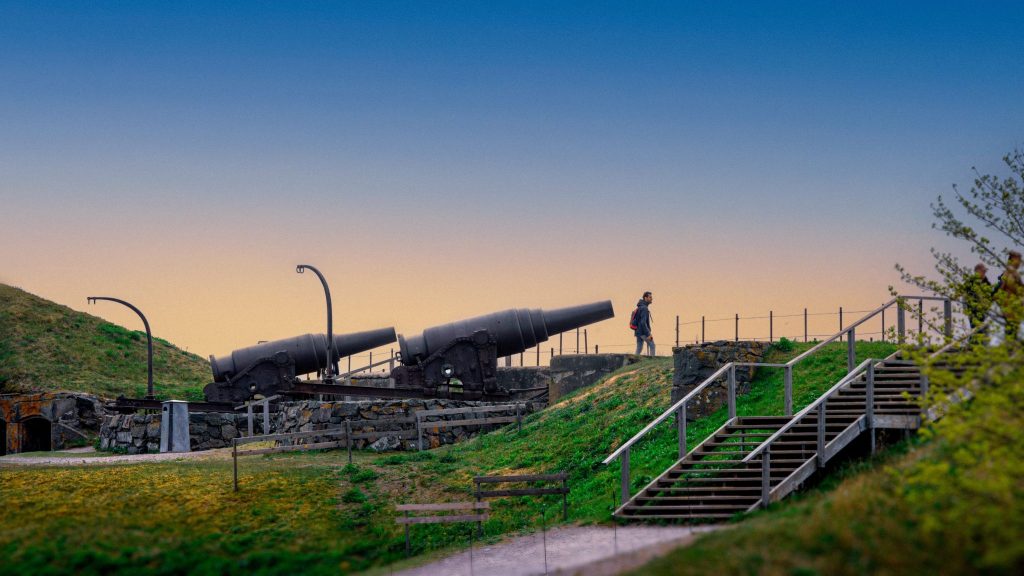
The Naval Academy trains around 300 conscripts, reservists and professional officers for navy and border guard duty.
The sound of gunfire and the rumble of cannons can be heard from the neighbouring island of Santahamina during military exercises on land and at sea.
Preservation in a changing security landscape
The changing security situation in the Baltic Sea has raised questions about preparedness on Suomenlinna as well. At the same time, the island has become more civilian in character and a centre for cultural activity.

The world around it is changing. In addition to tourism and security concerns, Helsinki is also having to consider climate change.
Suomenlinna’s governing body is responsible for buildings and infrastructure, balancing several objectives: preserving the fortress as a living World Heritage site in authentic condition, maintaining an active residential district for residents and businesses, and receiving around one million visitors per year – but not as an open-air museum.