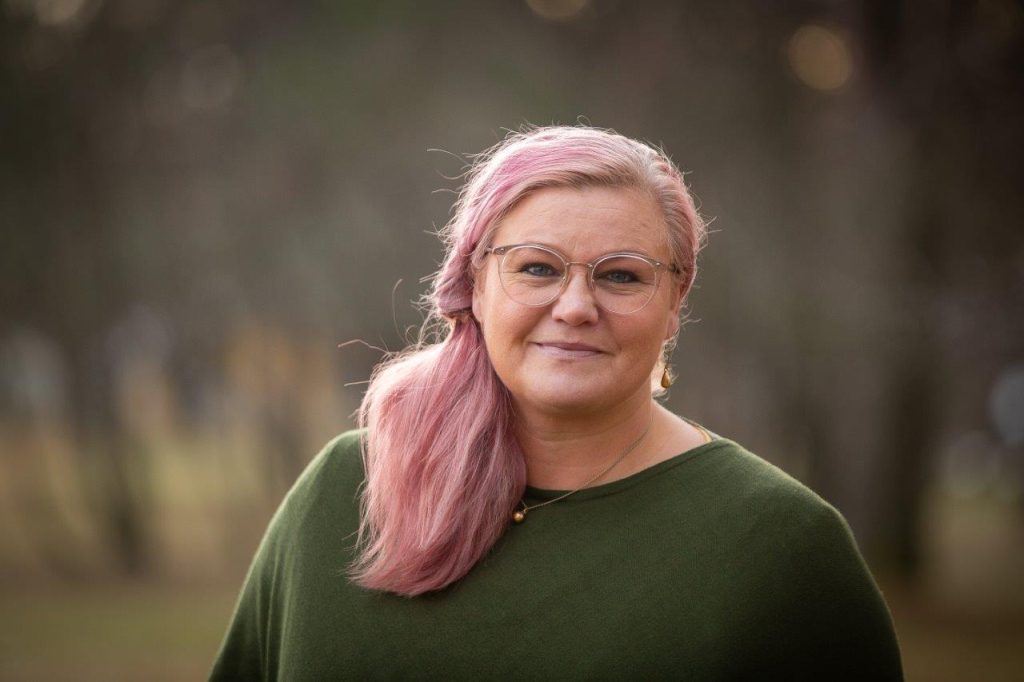
“In an environment free from conflict where we have a sense security and reduced stress, we can look after ourselves and each other better,” Jonna Barsk tells the Nordic Labour Journal. She is an operational strategist at SSAB Europe, a steel industry company.
Read this article in Swedish on Arbeidsliv i Norden
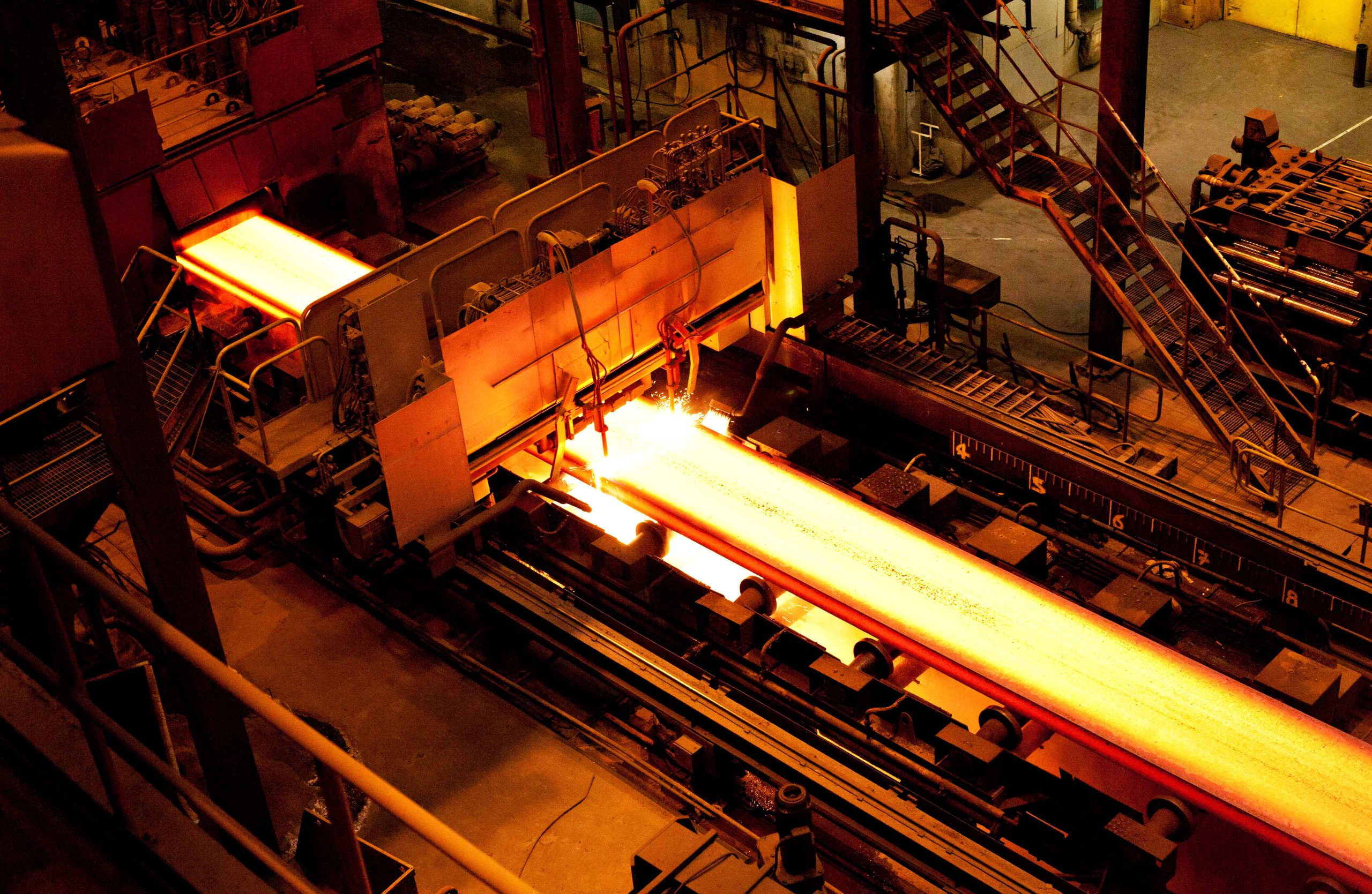
Barsk works at SSAB’s steelworks in Swedish Luleå, around 130 km from the border with Finland. Here, molten steel is processed in large, hot and noisy environments, she explains.
“We have been working a lot with physical risks and have reached a certain level here. Some years back, we realised that the key to a safer workplace also depends on how we treat each other.”
Three quarters of the steelwork’s employees are manual workers, the rest are salaried staff.
A guide for a better work environment
As a support in the effort to create a better work environment, three researchers have created Hövlighetsguiden – the Civility Guide. First published in the autumn of 2025, it is based on results from a research project they carried out between 2021 and 2025.
Hövlighetsguiden contains advice for how it can be used, and has the following chapters:
- Introduction: Why is civility at work so important?
- Guiding principles
- How to get going
- What is needed to begin work – and what helps
- Long-term focus and persistence
There is also a QR code linking to a resource bank and a five-point checklist:
- Creating a shared language
- Make behaviours visible and discuss them
- Identify strengths and risk areas
- Setting shared goals
- Integrate and follow up
Civility – the issue of the month
Civility was not an unknown topic at SSAB in Luleå. Kristoffer Holm, one of the three researchers who developed the guide, has been hired by the company earlier.
“Kristoffer was with us in 2022 and planned, lectured, inspired and led a full-day session for managers and safety representatives who worked together on the theme of civility. He had been studying the restaurant sector, and we could recognise ourselves in what he described.
“The visit provided new insights and helped employees begin to talk about how they behaved at work,” says Jonna Barsk.
To continue with the work on improving civility in the workplace, Jonna Barsk shared Hövlighetsguiden with the workplace’s OSA committee. OSA stands for organisational and social work environment, and at SSAB in Luleå the OSA committee does a deep dive into one issue every second month.
OSA – organisational and social work environment
“OSA is about making clear what is expected of employees and that there is a balance between demands and resources. The social work environment is also important – this is about how we cooperate and support each other at work.”
Source: The Swedish Work Environment Authority
All of SSAB’s 84 managers in Luleå are responsible for ensuring that the OSA topic in their teams does not remain just a discussion point but is implemented and reaches all employees.
To support the managers – as well as safety representatives and employees – there is a two-page information sheet called “We are each other’s work environment”.
The theme for April this year was “Behavioural contagion – civility”. The sheet is collated by Jonna Barsk and contains:
- Definitions of “behavioural contagion” and “civility”
- Guiding discussion points for working groups
- Tips and advice
- A link to Hövlighetsguiden
“When we now carry on working with civility, we can link it back to what we did together with Kristoffer – how it has shaped our thinking and the language we’ve used since then.
“Civility should be a given, but that’s not always the case,” says Jonna Barsk.
Contagious behaviour
Jonna Barsk has seen a shift in attitudes during the 25 years she has been working with work environment and safety issues at SSAB within the framework of gender, diversity, inclusion and equality.
“We are a heavy industry with a male-dominated workforce, where the banter can become quite uncivil and the tone unpleasant. This might include giving colleagues nicknames that may seem affectionate until there’s a conflict. Then it’s being used negatively,” says Jonna Barsk.
Changes like this do not start out as being uncivil behaviour but develop gradually through small steps, she explains.
“One group can shift the tone without anyone intending to, and new people adapt to the others who are already there. It’s just a survival instinct, adapting to the group. That’s why we work continuously to break these patterns.
“We’ve been successful, but it moves quite slowly because we have a low turnover rate.”
With the help of Hövlighetsguiden, the employees in the working groups can see for themselves how behaviour is contagious – both in a positive and negative way. Yet while it is easy to talk about falls and fire hazards, it is harder to talk about human interaction and feelings.
“It’s very common for a male-dominated working group to first try to avoid the topic. That’s when you need good leadership – a manager who helps everyone across the small threshold.
“You then often get a really good conversation because everyone does want a friendly, pleasant and comfortable environment,” says Jonna Barsk and adds:
“There doesn’t have to be an uncivil culture in a male-dominated workplace. Job satisfaction can be very high, but it is easier for us to learn how to make fossil-free steel than to change gender norms.”
Studying the opposite
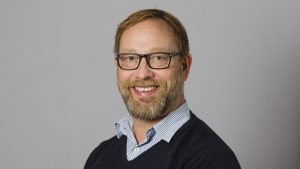
When the Nordic Labour Journal meets Kristoffer Holm at Malmö University, he explains that the opposite of civility has been the subject of several studies which show that disrespectful and low-level behaviours such as not greeting others, using a hostile tone, rolling one’s eyes, or making derogatory or sarcastic remarks can have negative effects both on the individual and on the organisation.
“From this perspective, the question became how to prevent and pre-empt such behaviour.”
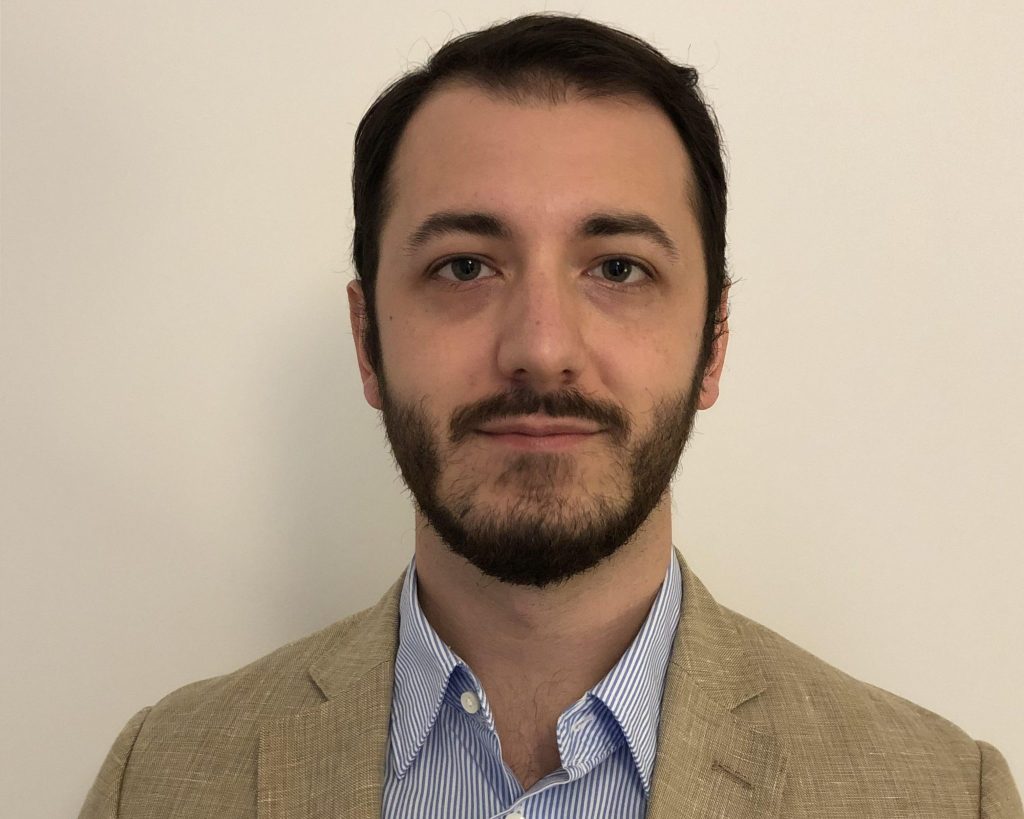
Kristoffer Holm explains that in preparation for the research application he, Rebecka Cowen Forssel and Sandra Jönsson were going to send to Afa Försäkring – a labour market insurance company – with civility as a theme, they contacted the US Department of Veterans Affairs.
It has developed a working method to counter negative behaviour called CREW, short for Civility, Respect and Engagement in the Workplace.
“We were inspired by the way the department had been working and developed our own material adapted to the Swedish labour market.
“Although civility can be perceived as a somewhat lofty term, the project’s aim was to show that it cannot be ignored. Civility has an impact on people’s job satisfaction,” he says.
No finger-wagging
During the project, the three researchers held workplace group discussions where workers used their own experiences to talk about what communication looks like and what creates trust, explains Kristoffer Holm.
The important thing was what the workers considered to be civil and uncivil behaviour in the workplace.
“This is not about bringing in external finger-wagging. The group itself should arrive at the kind of approach it wants to adopt, by identifying both pitfalls and good examples,” he says.
The hope is that Hövlighetsguiden will not be a “flash in the pan” as Kristoffer Holm puts it, but a long-term element of systematic work environment management. It is also important that the group working with the guide retain ownership of the process.
Popular guide
There has been a lot of interest in Hövlighetsguiden – both from private and public companies.
“When Afa Försäkring held a webinar earlier this year, it was well-attended with more than 1,000 people signing up. So there is a lot of interest, which might reflect that the tone of the discourse has become harsher,” says Kristoffer Holm.
Or perhaps more people have realised the necessity of civility in the workplace, this author wonders. As Jonna Barsk says:
“If we are decent to each other, we work more safely. If we are safer, we work better.”