Labour Market
- Gender Equality
- Green Transition
- International
- Labour Law
- Labour Market
- Nordic Model
- Research & Progress
- Work Environment
-
New agreement for education on the Cap of the North
The Arctic Vocational Foundation has secured funding from Sweden, Finland and Norway for a further four years of vocational training for youths. A total of 285 youths will be trained every year.
2 minutes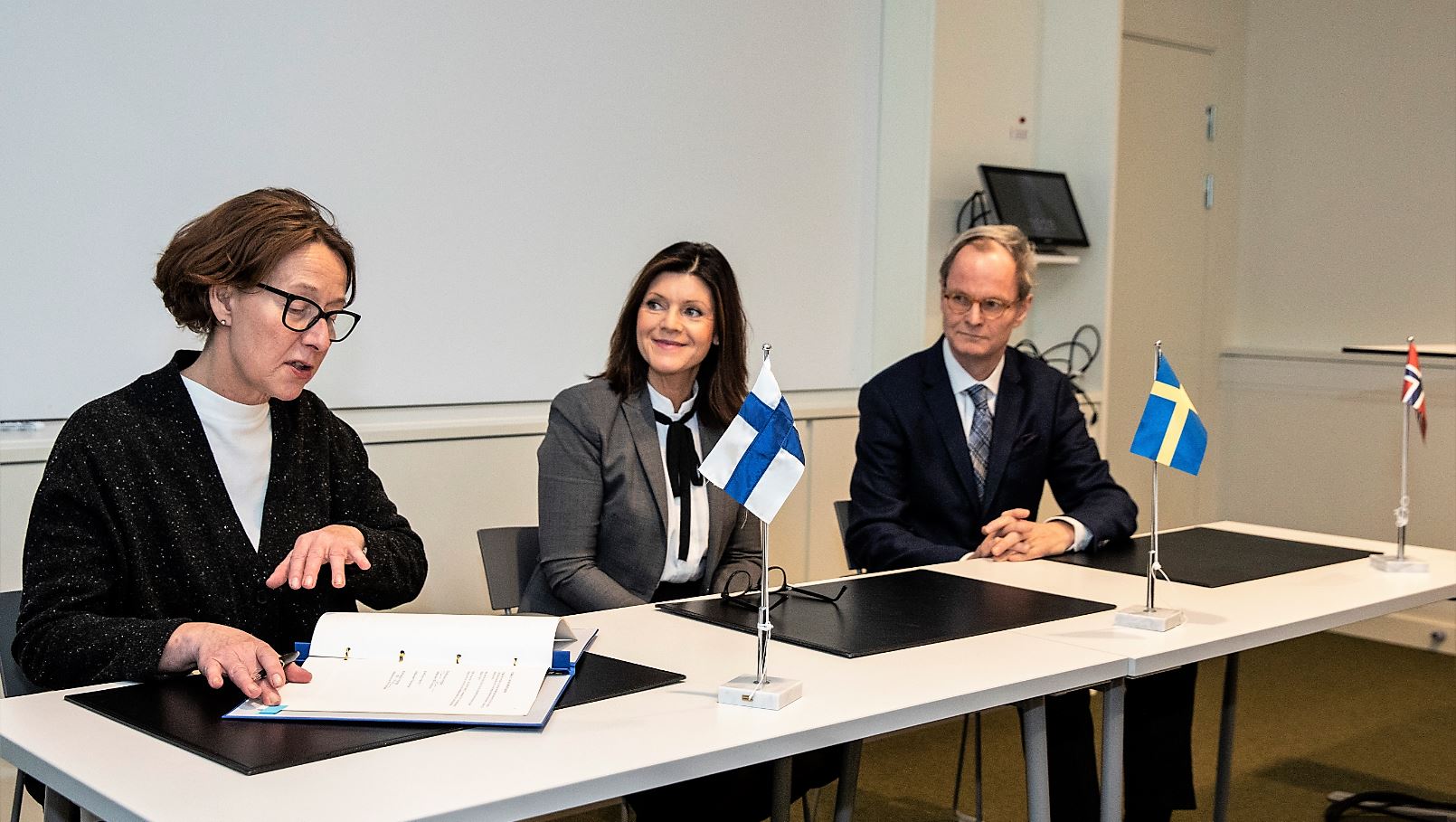
-
Greenland needs new jobs and foreign labour
There is an urgent need to create new jobs in Greenland’s mining and tourism industries. At the same time more foreign labour is needed, say the social partners.
9 minutes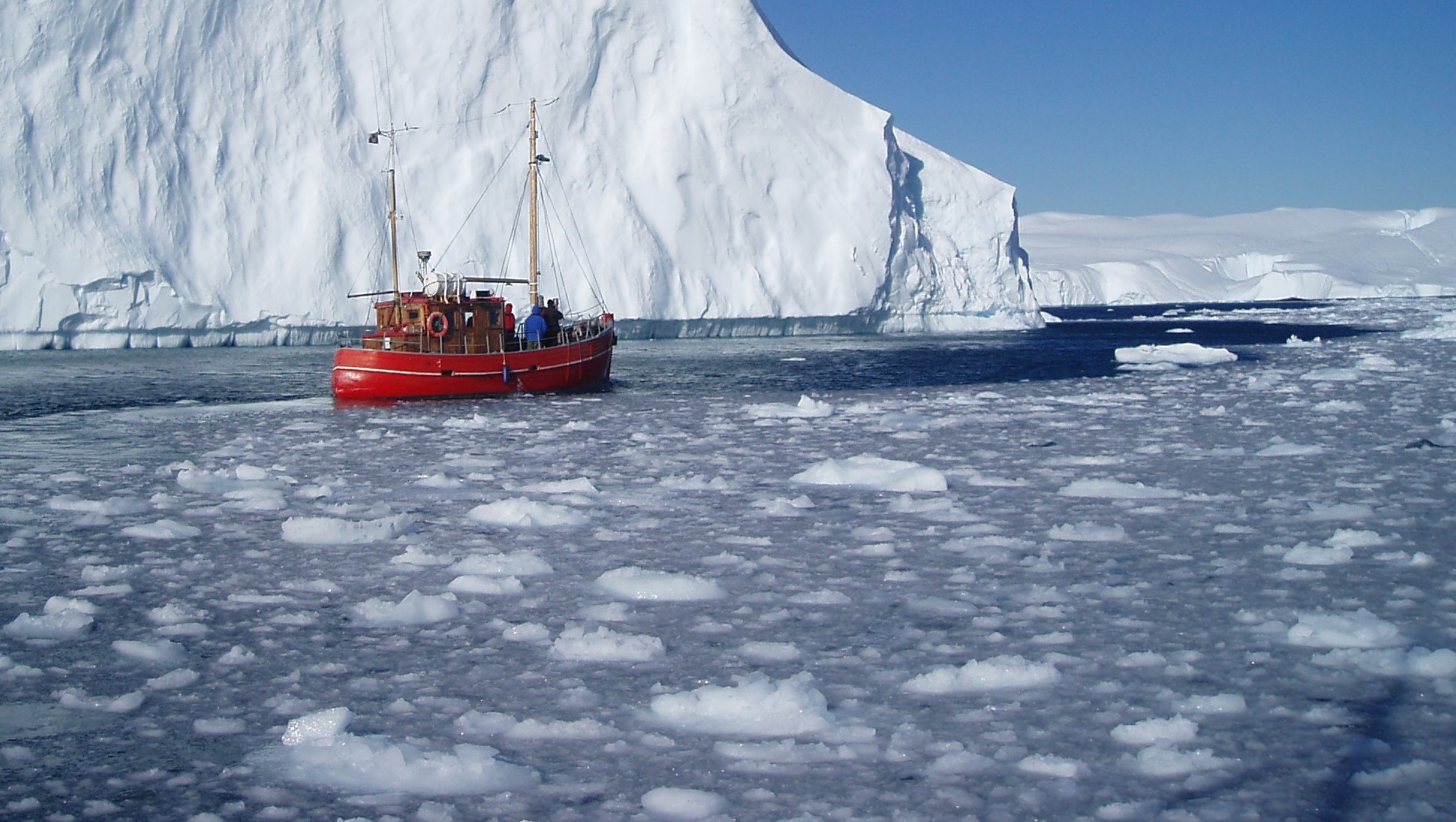
-
Eva Nordmark’s task: to liberalise Sweden’s employment act and reform the employment service
When former TCO President Eva Nordmark accepted to replace Ylva Johansson as Sweden’s Minister for Employment, she also accepted to follow up on proposals she had been critical of in the past, like the liberalisation of the employment act.
4 minutes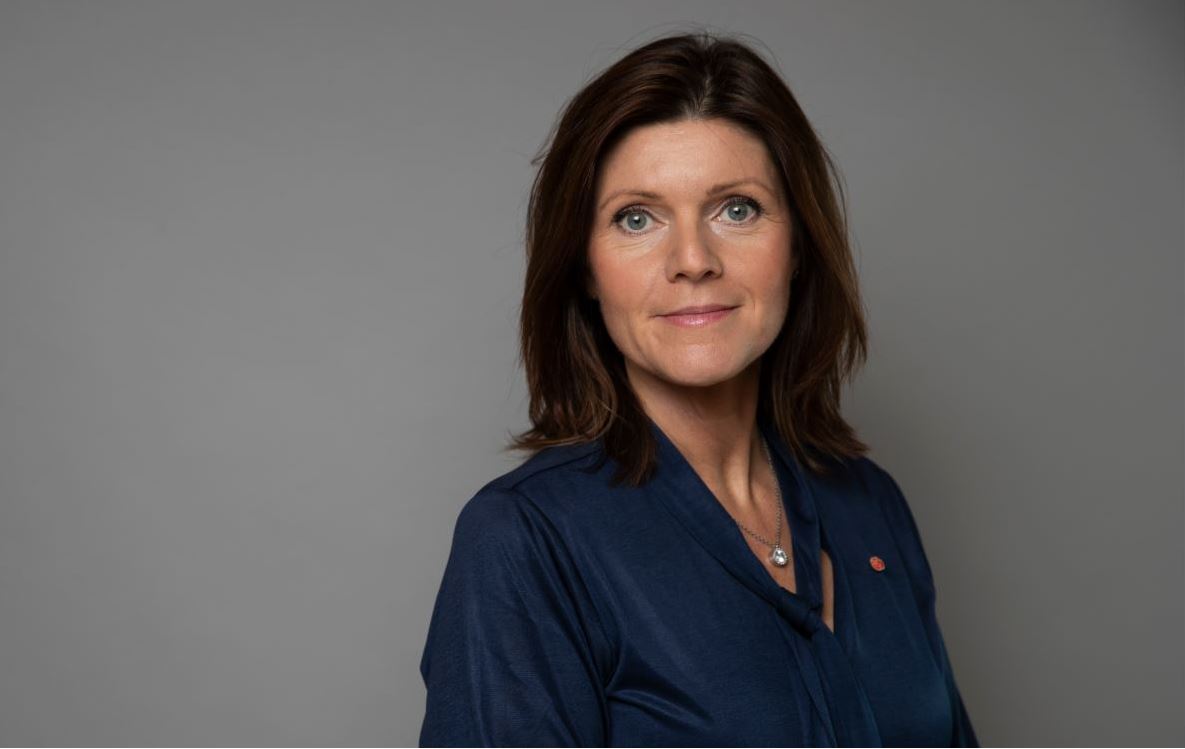
-
Peter Hummelgaard: aims to secure early retirement for tired workers
The Danish labour market is facing major changes if Minister for Employment Peter Hummelgaard manages to get support for his plans. He wants to fight for fairer conditions for people with lower levels of education and for those in low-paid jobs.
2 minutes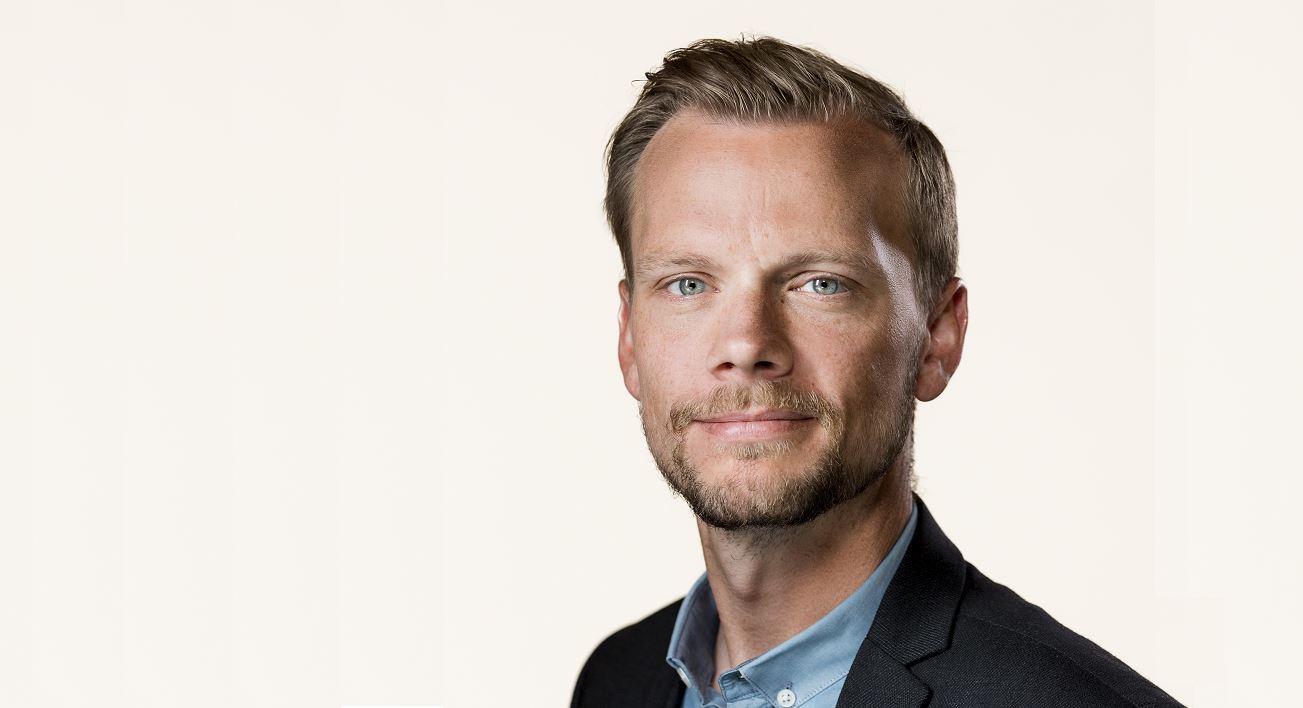
-
Iceland’s tourism becomes a hot environmental topic
Tourists drowning at sea. Tourists dying in bus accidents. Tourists driving illegally off road and getting stuck in the middle of an active geothermal area. They do serious damage to nature just to post pictures of themselves and their tyre tracks on social media.
6 minutes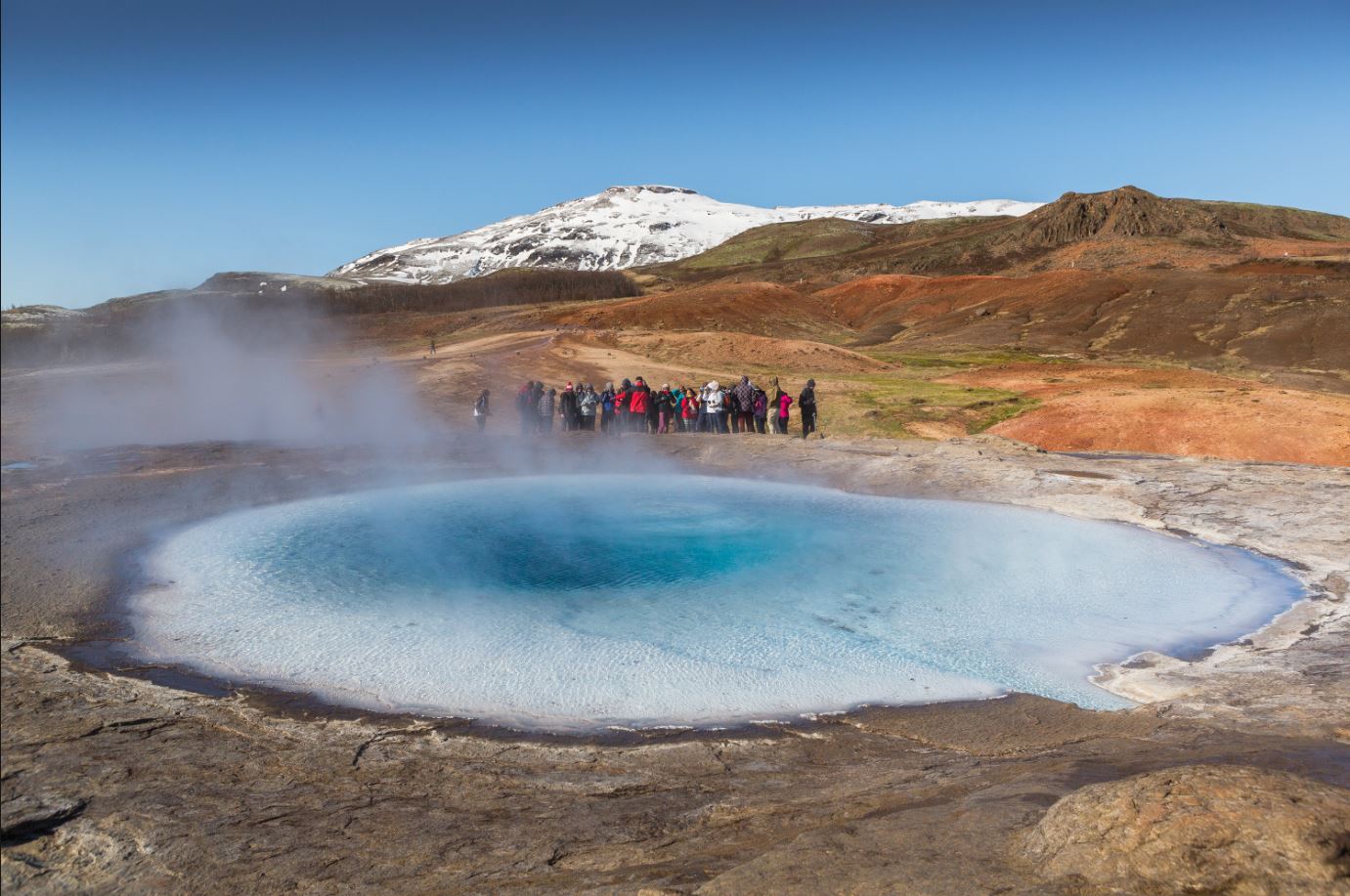
-
Mapping the mental border obstacles between Denmark and Sweden
Preconceptions, experiences, habits and feelings can prevent businesses from working across national borders. Ethnologist Fredrik Nilsson says that besides money, a lot of emotions are being invested in cross-border work.
4 minutes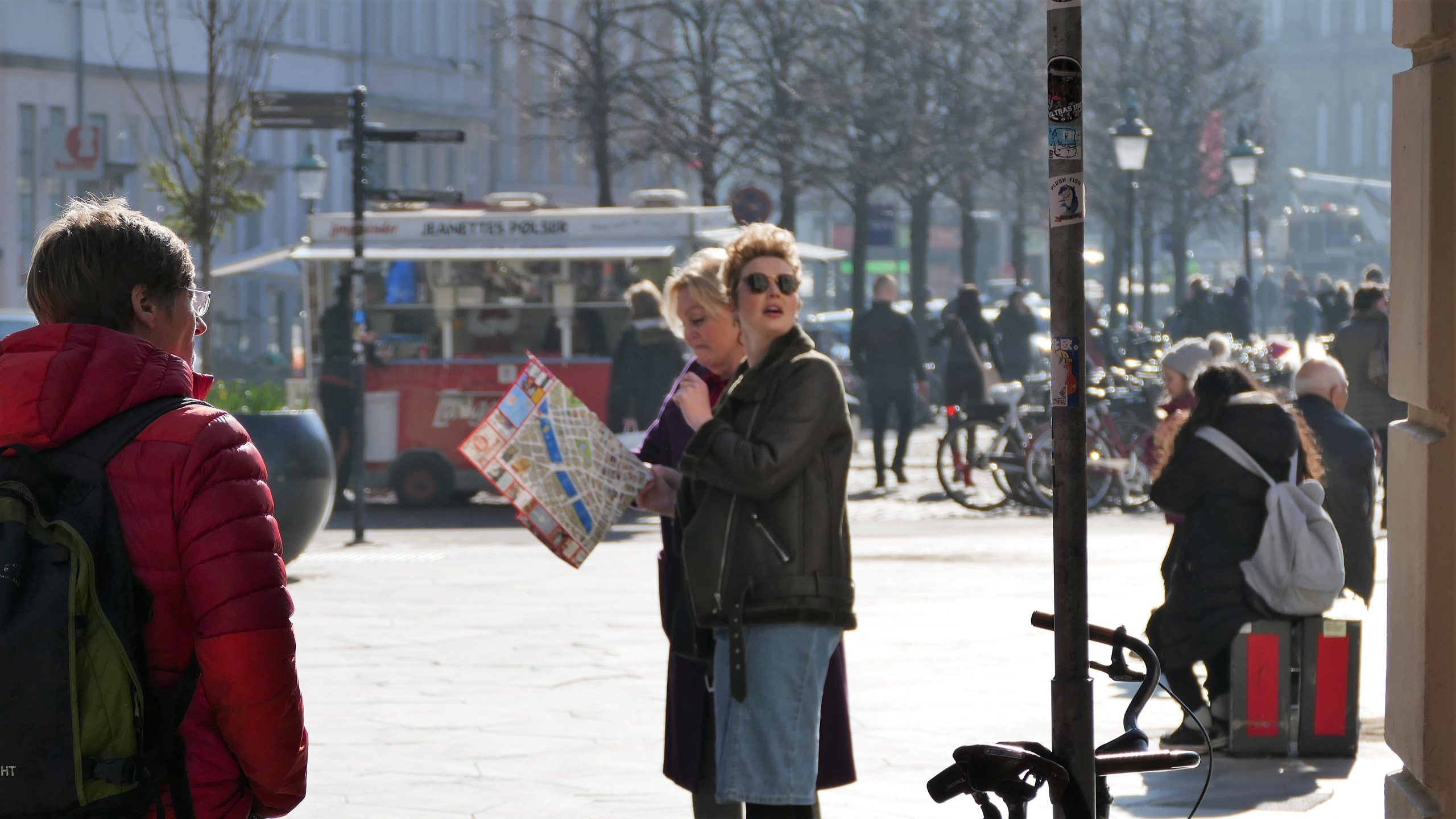
-
How to get Danes to retire later – like Norwegians and Swedes do
Norwegians and Swedes retire later than their Danish neighbours, partly because their pensions keep growing with each extra year they spend in the labour market. This is one of the 11 good reasons a new report highlights for Denmark to learn from what Sweden and Norway do.
6 minutes -
Unique study compares how Denmark, Norway and Sweden integrate refugees
Who is best out of Denmark, Norway and Sweden at integrating refugees into their labour market? The answer depends at what stage after the refugees’ arrival you measure the success. Refugees to Denmark find jobs faster, but in the longer run more refugees get jobs in Sweden than in Denmark. Norway is the clear winner…
4 minutes
-
Nordic project: why do so few girls want to become engineers?
Many future jobs will be centred around digitalisation, the development of artificial intelligence and robots, and biotechnology. But far too few girls chose to study the subjects that are relevant to these areas. The Nordic labour ministers want to know why.
3 minutes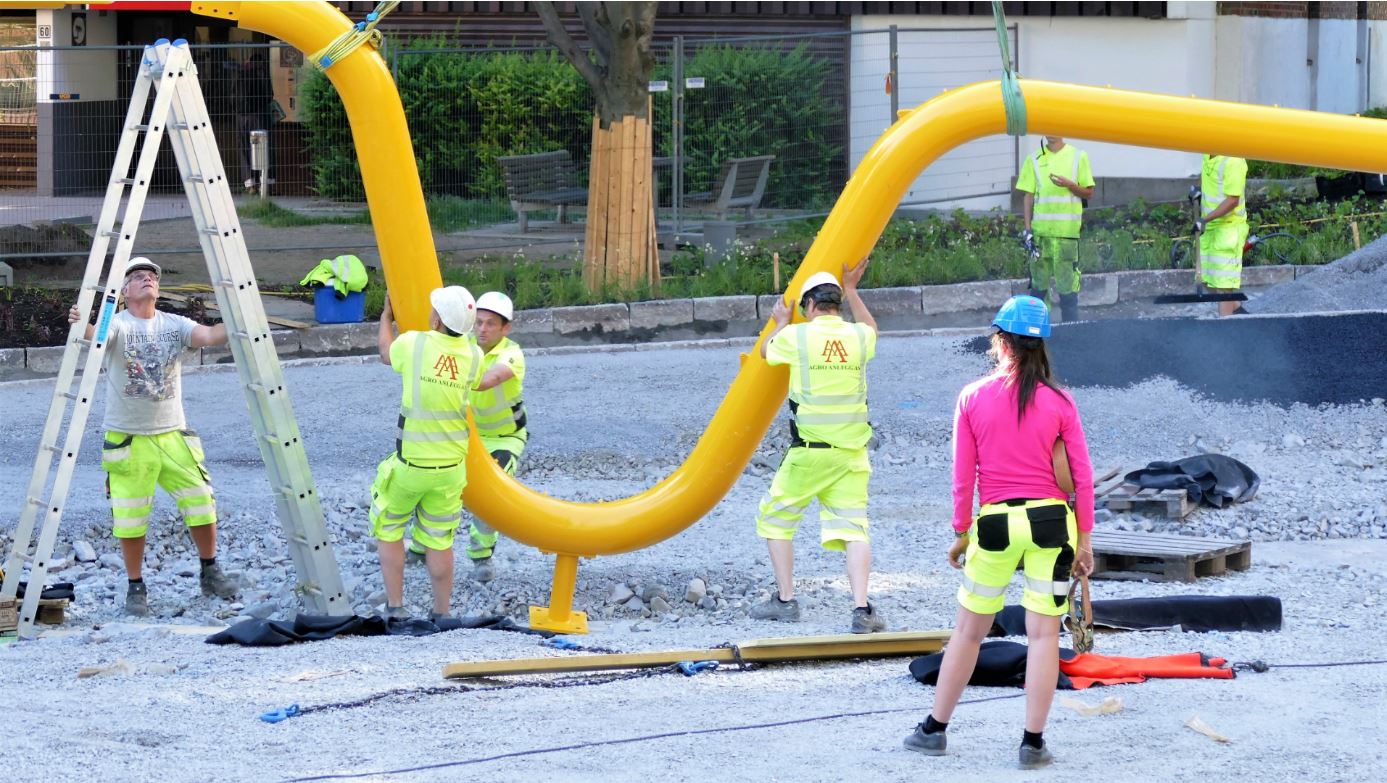
-
Basic income made Finns happier
Finland’s basic income experience came to an end 2018. The 2,000 unemployed people who received a basic income for two years instead of other benefits did not work more in the end, but they grew happier.
4 minutes