Labour Market
- Gender Equality
- Green Transition
- International
- Labour Law
- Labour Market
- Nordic Model
- Research & Progress
- Work Environment
-
Record low unemployment in the Faroe Islands – just 296 people
Nowhere in the Nordics will you find a higher employment rate than in the Faroe Islands right now. It stands at 90%, and unemployment is only 0.9%. What is it like in a society where nearly everyone has a job, and where being unemployed is correspondingly difficult?
5 minutes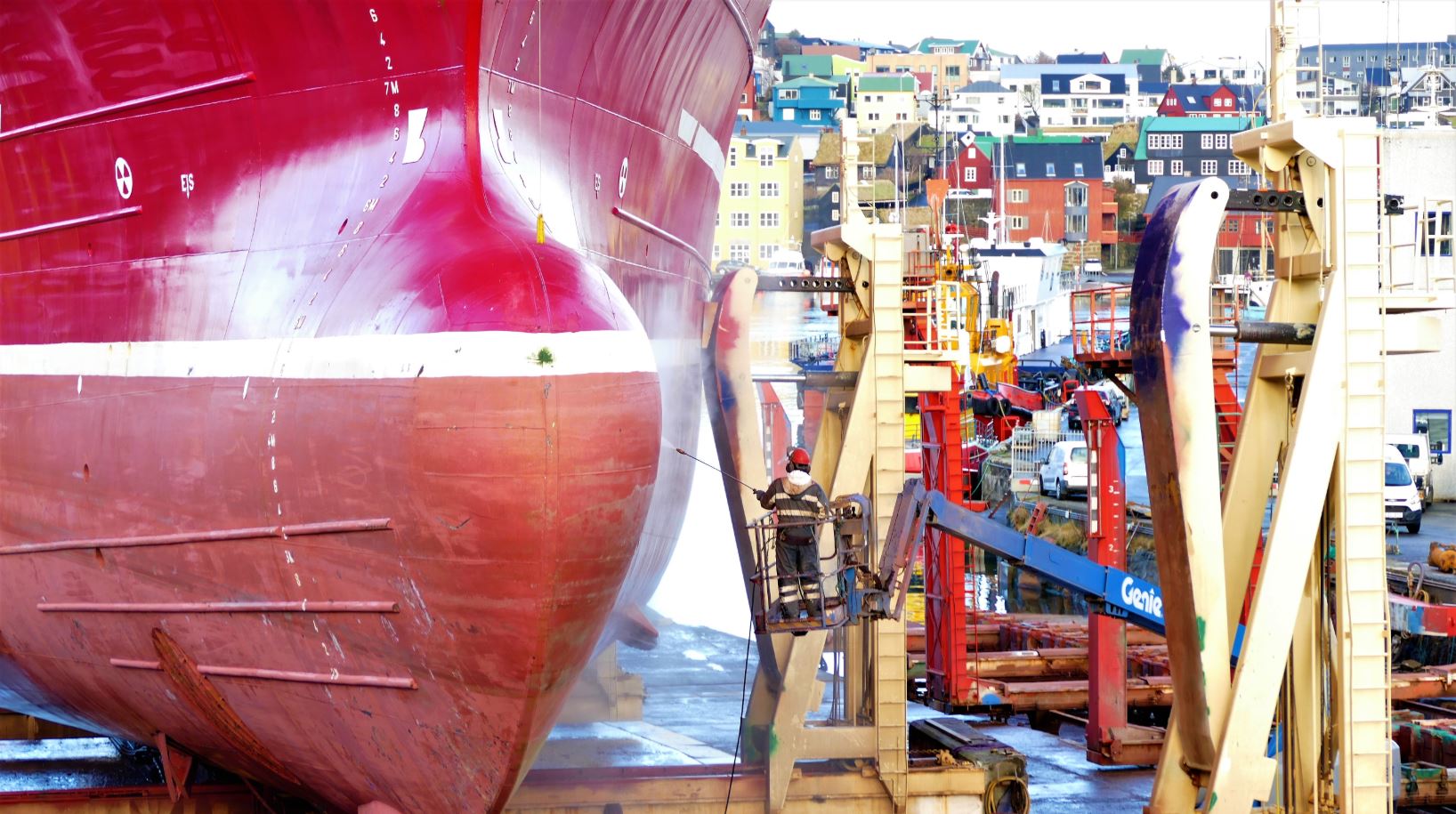
-
Nordic visions of more children and fewer suicides
The Nordic cooperation’s symbol is a swan. But black swans also symbolise the unexpected. This newsletter is about both birth and death. Assistant nurses play an important role in what happens between those two events.
2 minutes -
Less part-time work to secure more “warm hands”
A major and urgent lack of trained social and health care assistants – so-called SOSUs – has led to a heated debate over the widespread use of part-time jobs in Denmark’s social and health care sector.
4 minutes -
Swedish assistant nurses want higher status through legal recognition
Assistant nurse is one of the most common professions in Sweden. 180 000 out of a total of 200 000 workers in elderly care are assistant nurses, but unlike their other Nordic colleagues, their profession is not regulated. Making this happen has long been a trade union demand and right now legislation is being prepared…
7 minutes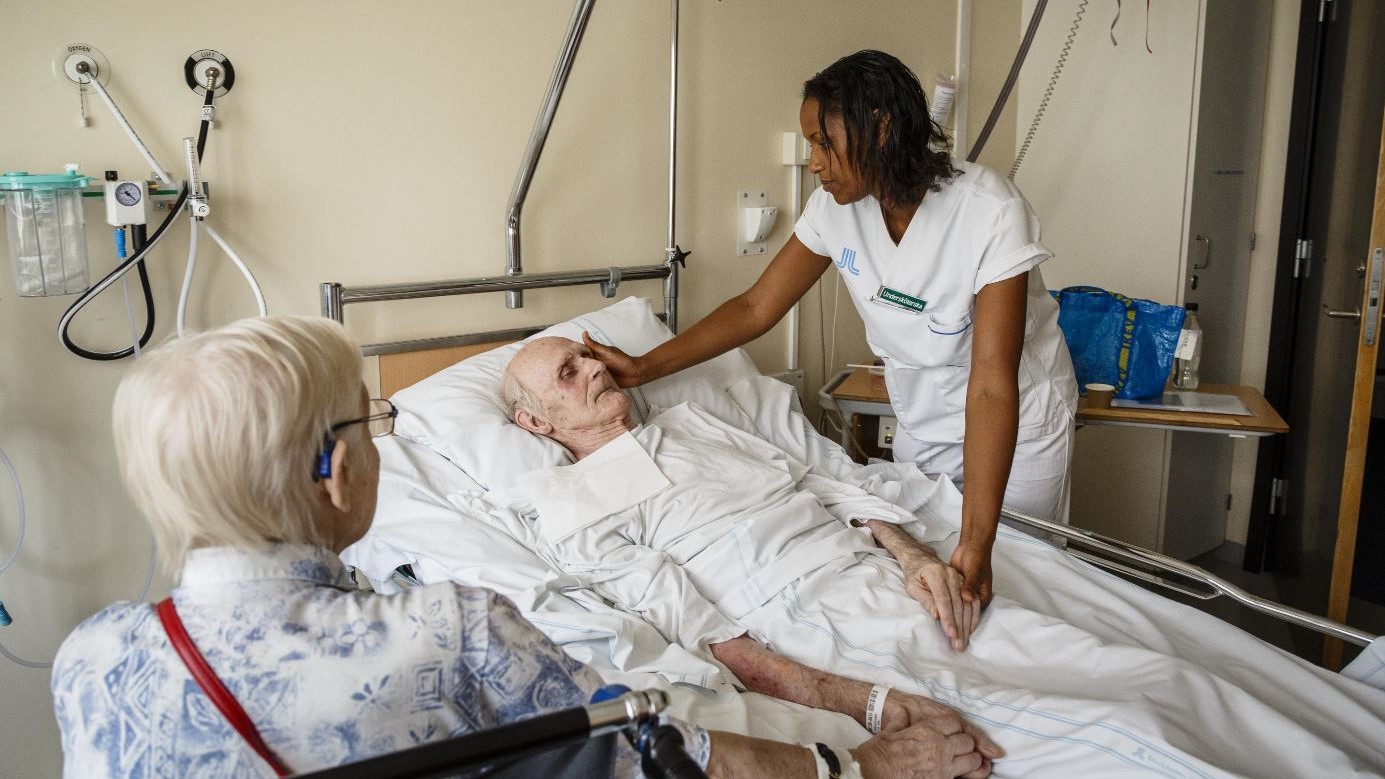
-
Torbjørn Røe Isaksen takes on tricky government post
Torbjørn Røe Isaksen became Norway’s new Minister of Labour and Social Inclusion on 24 January. It is the least sought-after government post right now, after the biggest legal scandal in the country’s history. But Isaksen has ambitions.
3 minutes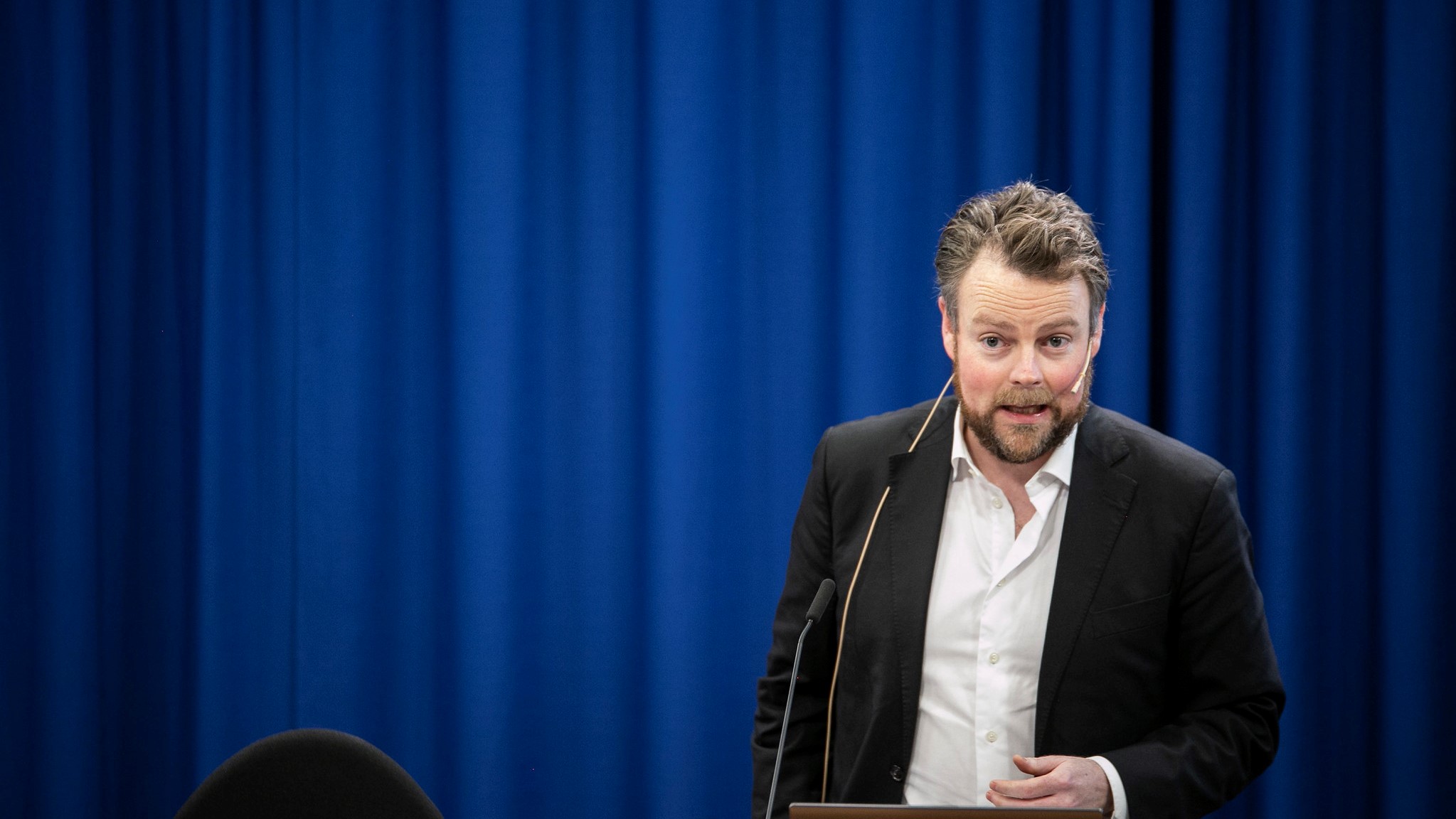
-
The North Sea Diver – working under pressure
There are few stories describing working life in Norway’s offshore oil industry, despite the massive impact the sector has had on the country’s economy. Now a new book details one of most remarkable new occupations that emerged from the industry – the deep sea divers. The author is Swedish Hans Claesson.
8 minutes
-
“More hard issues should be discussed at the Nordic Council”
Protect democracy, fight fake news and protect biological diversity. These are issues on the agenda for Iceland’s 2020 Presidency of the Nordic Council. Another focus area is to improve knowledge of Nordic languages.
7 minutes
-
Tuula Haatainen new Finnish Minister of Employment
Experienced Haatainen (59) joins a government which features numerous young female minister. So what experience do Finnish politicians have from real working life? The question arose with Finland’s sudden change of government in mid-December.
4 minutes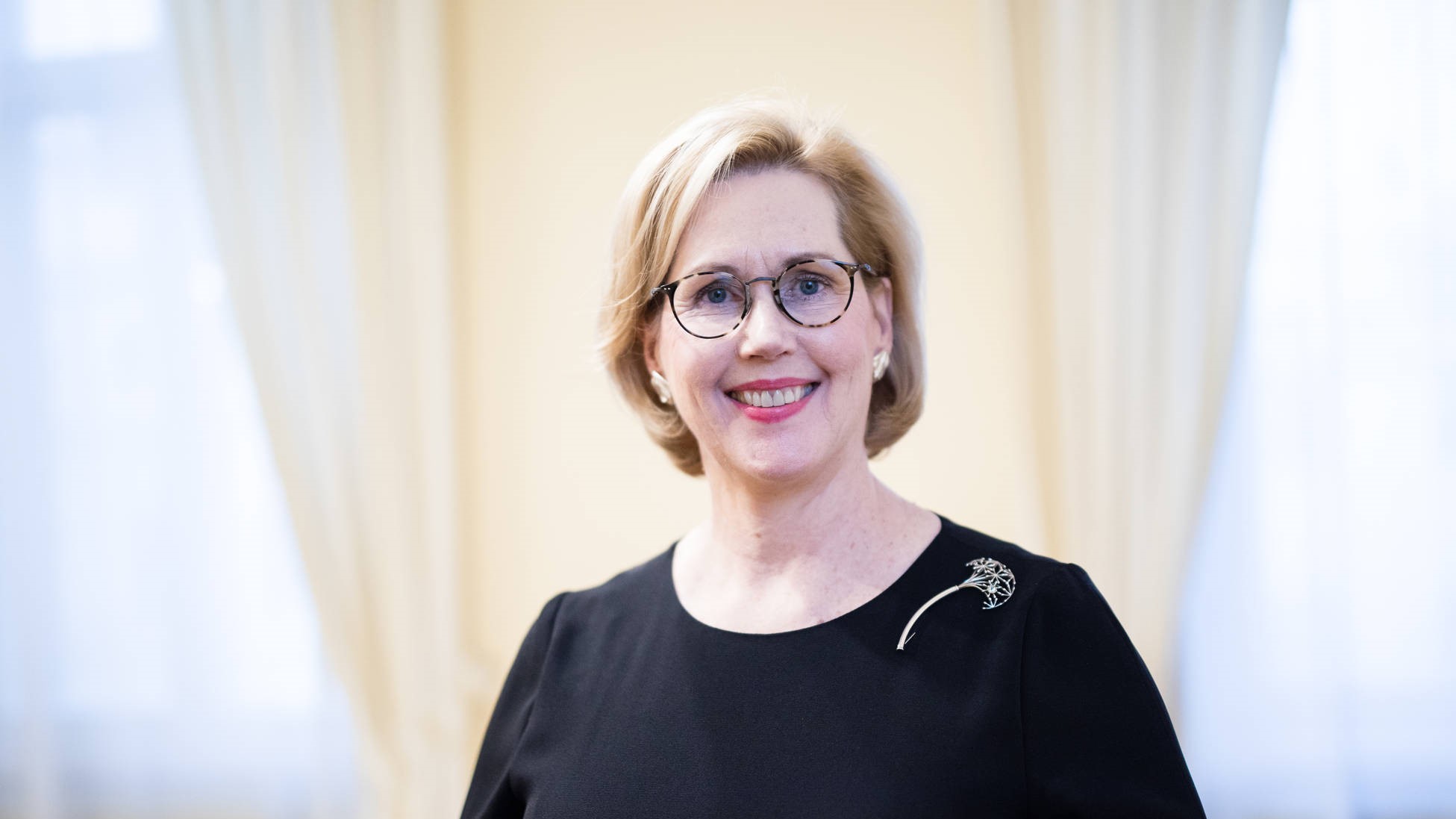
-
How Norway got EU benefit regulations wrong for seven years
What lies behind Norway’s scandalous miscarriage of justice that led to 2,400 people being branded benefit cheats because the state misinterpreted the EEA agreement? And how could this have gone on for seven years?
3 minutes -
Maria Mindhammar takes helm at Sweden’s battered PES
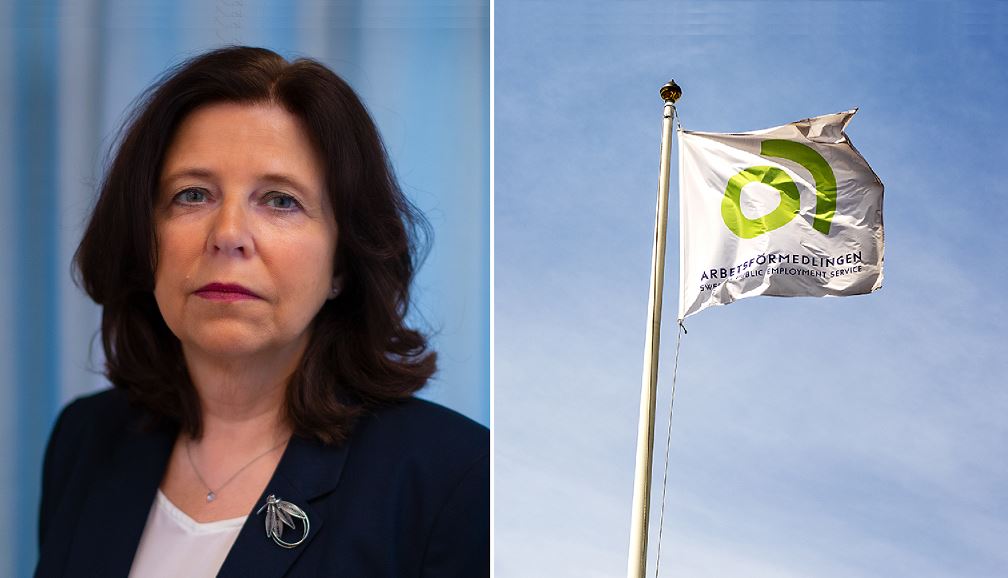
On 5 December Maria Mindhammar was appointed the new Director-General of the Swedish Public Employment Service. It is a job she gladly goes to, while also calling the situation at the Public Employment Service “exceptionally challenging”.
4 minutes