Uncategorized
-
Finnish small city: From industrial decline to European AI engine
For 100 years, the paper mill was the main employer in Kajaani in the heart of Finland. When digitalisation literally took over from paper, the locals chose to embrace the new technology rather than fight it. Today, Kajaani is one of Europe’s most important AI centres.
12 minutes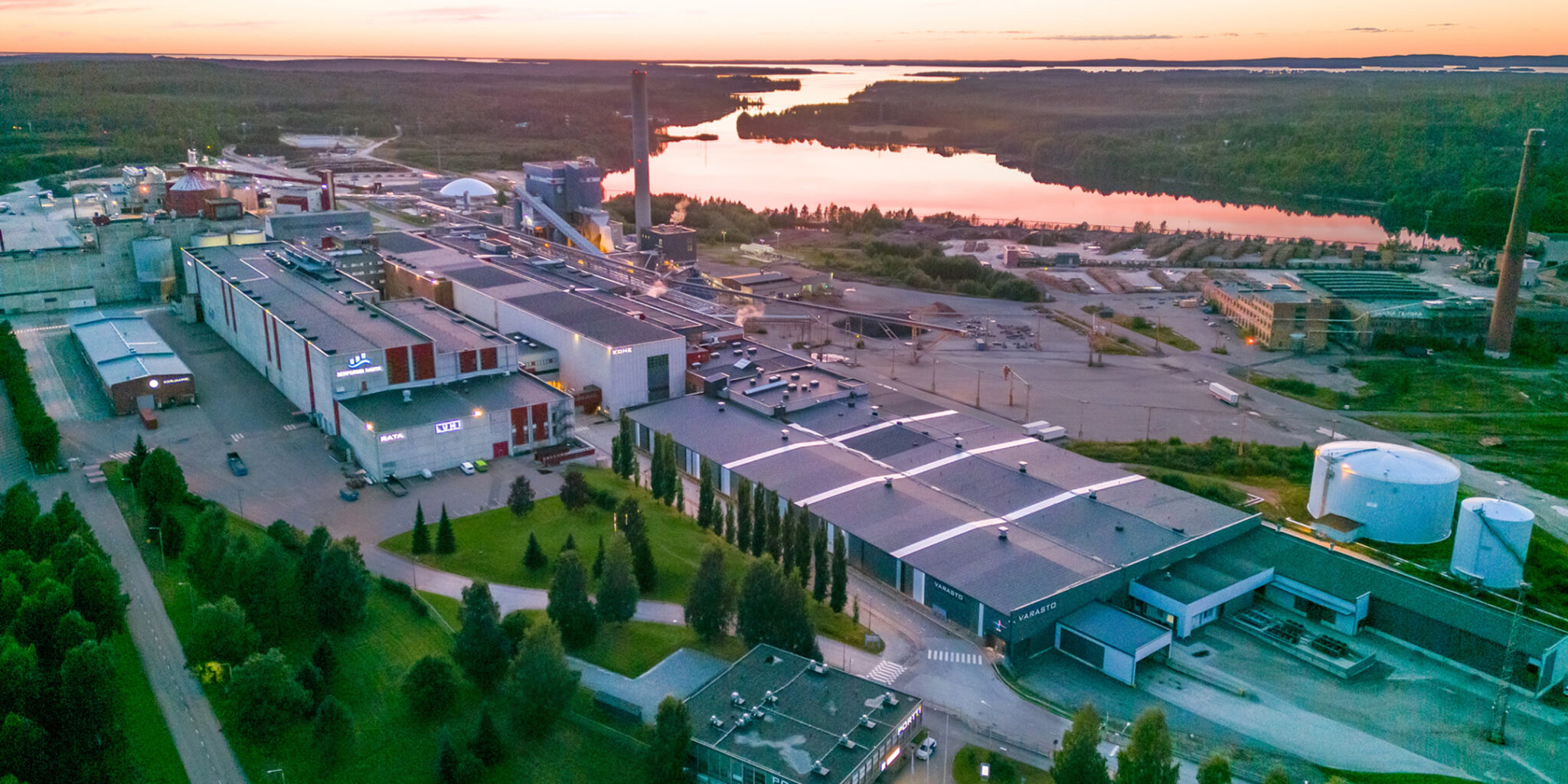
-
AI will revolutionise Danish agriculture
Working as a farmer will be very different in the future. AI and nature conservation will play a far bigger part.
10 minutes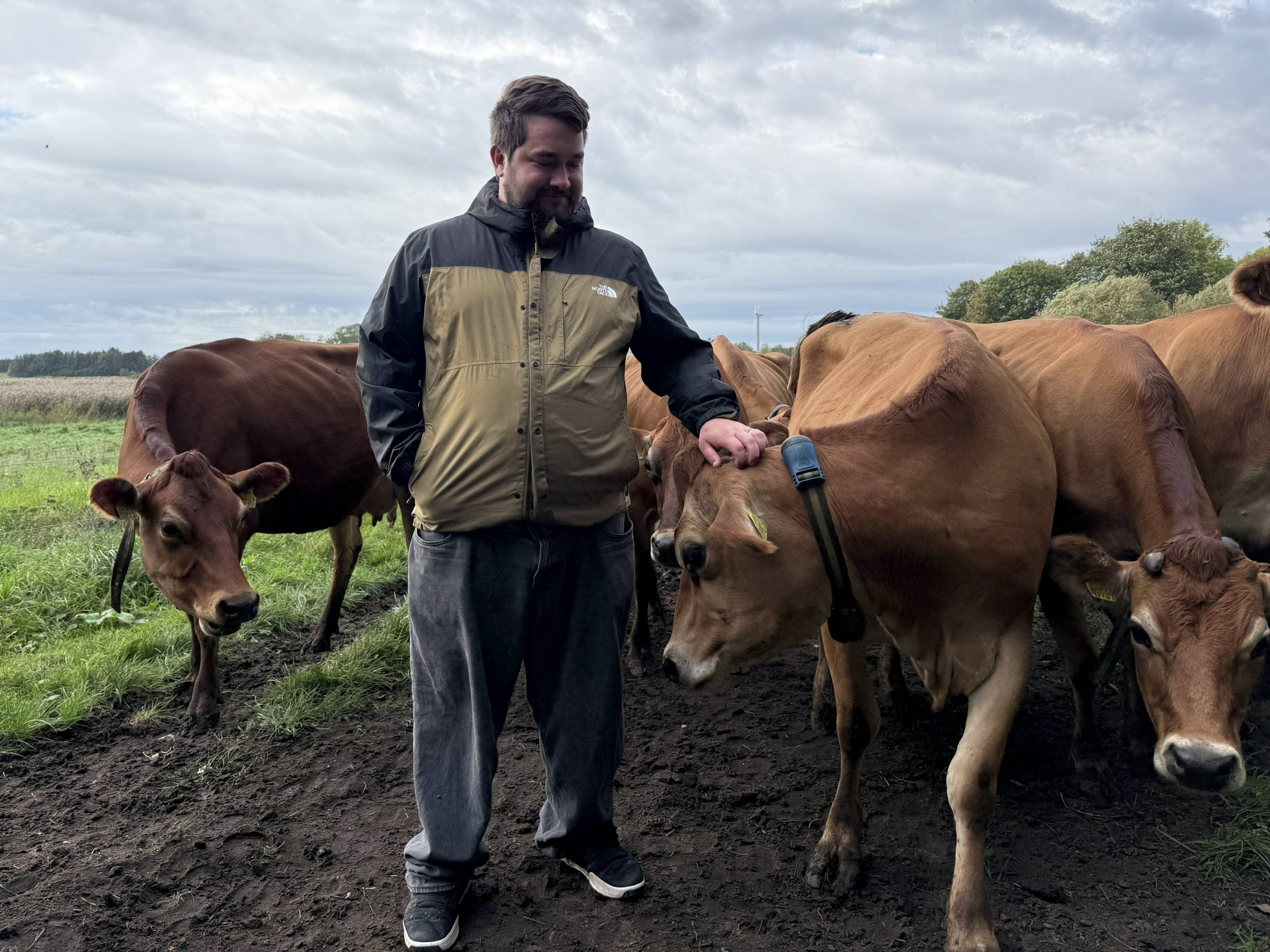
-
The polarising AI debate obscures what we can influence
When AI is portrayed as either a deadly threat or a positive opportunity, the debate often focuses on an uncertain future. But AI is very much already here. Many jobs are changing dramatically right now, and both trade unions and employers can influence how that change unfolds.
8 minutes
-
AI helps Icelandic waste management company become safer, more efficient and user-friendly
Sorpa, a waste management company owned by the municipalities in the Reykjavik capital area, published a new AI strategy in January highlighting responsible use, personal data protection and transparent use of AI. The company plans to use more AI, both in their offices and in waste management centres.
6 minutes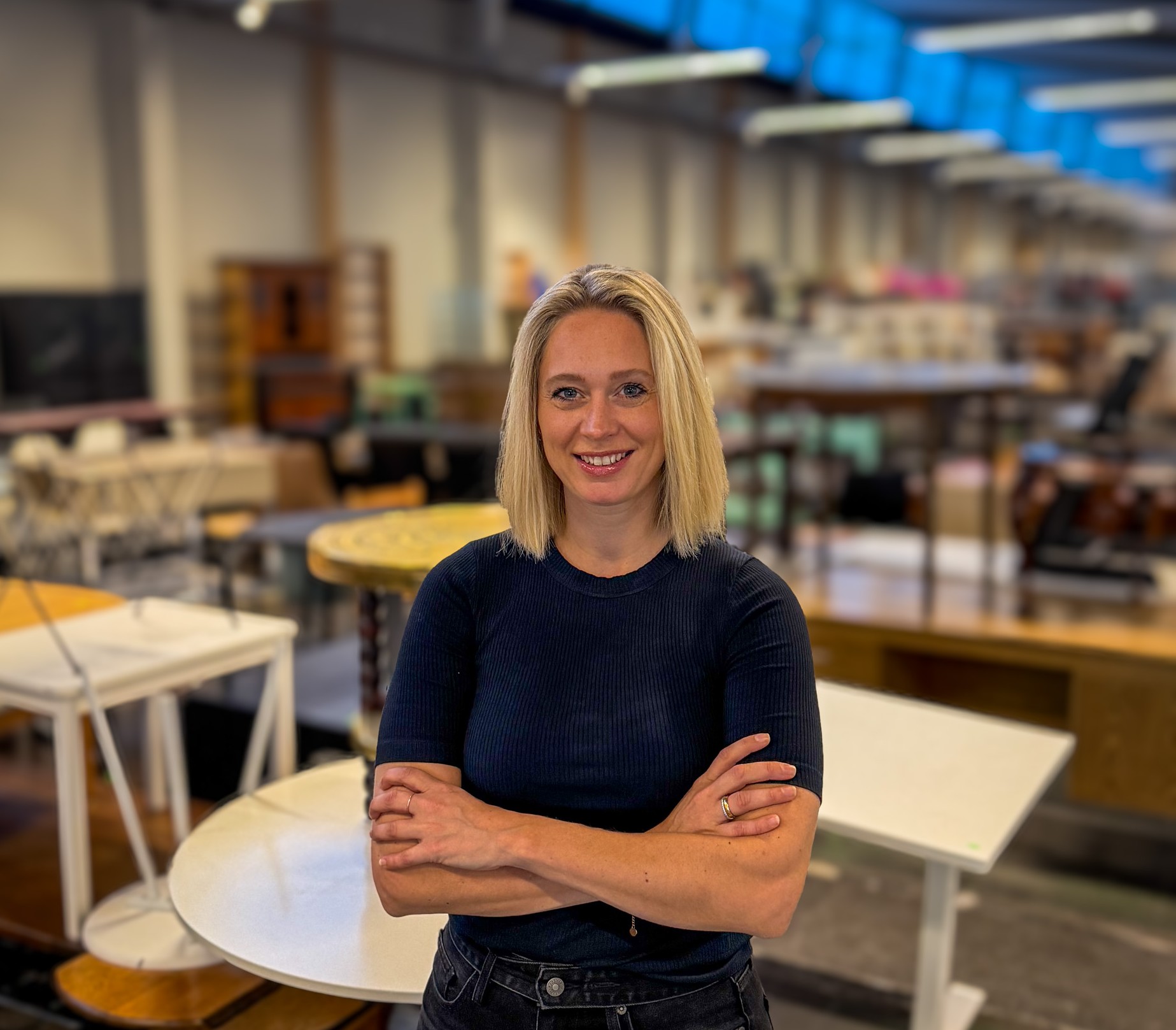
-
Workplace researcher: Don’t make AI your best colleague
Social anthropologist Lene Pettersen is interested in what AI and digital technology does to the way we work. The University of Oslo professor of workplace studies is worried about how chatbots might replace small but important daily exchanges between colleagues.
9 minutes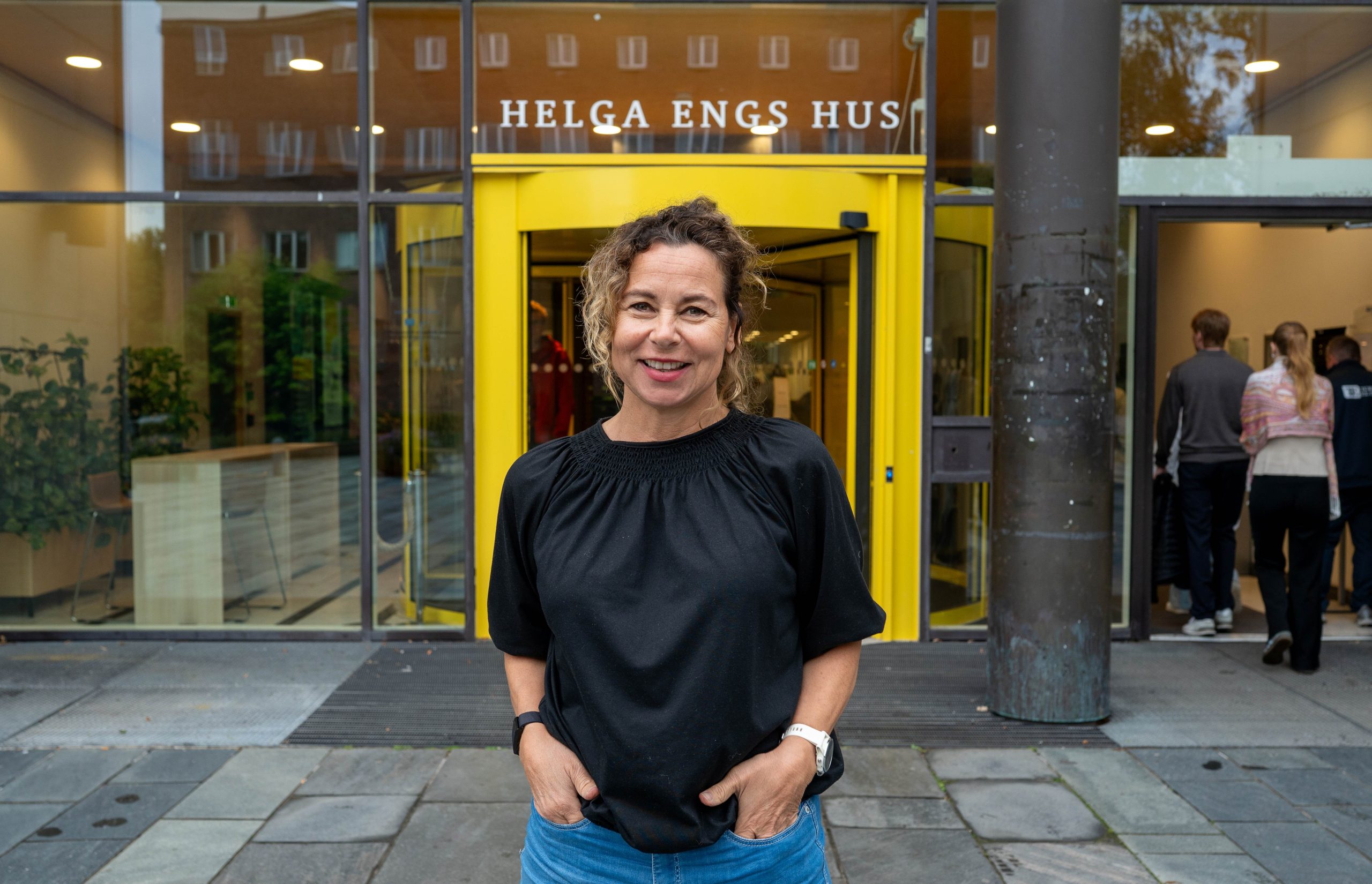
-
Tripartite “superpower” to help roll out AI in Norwegian working life
Norway is the first country in the Nordics where the state and the social partners have entered into a joint national agreement on artificial intelligence. But the social partners in the other Nordic countries are also interested in creating ground rules for the use of AI.
6 minutes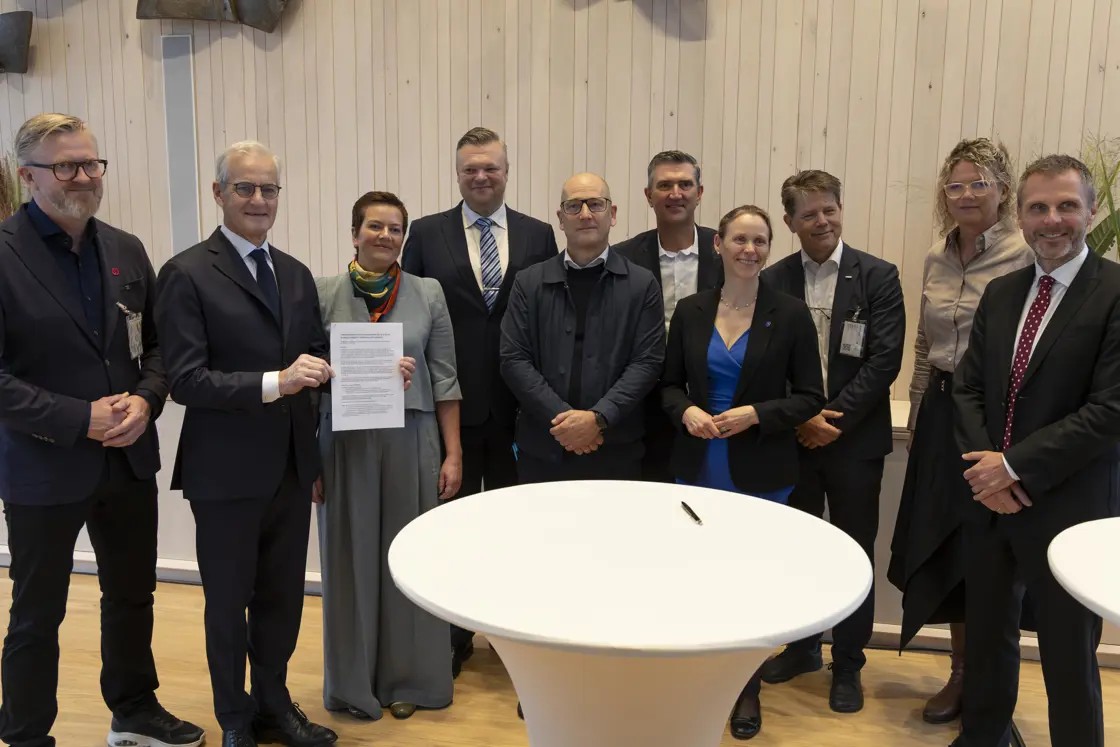
-
Improved control to cut labour market crime
ID cards, AI and improved data are all important tools in the Nordic and Baltic regions’ fight against criminals operating in the labour market.
5 minutes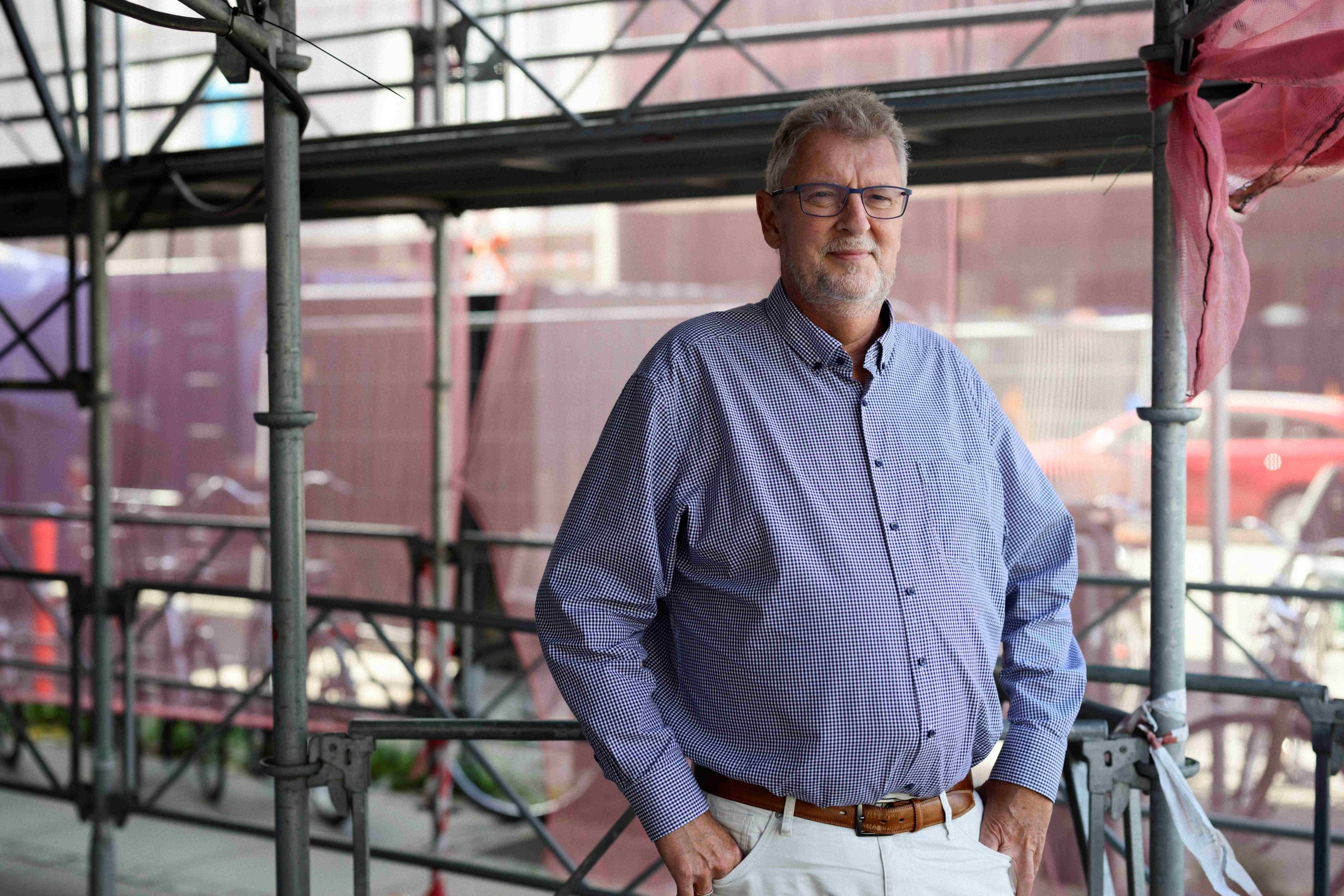
-
When the Nordic model no longer protects everyone
Precarious work, migration and weaker ties to the welfare state challenge the idea that the Nordic model provides workers with a strong safety net. The PrecaNord research project examines precarious and informal work in Finland, Norway and Sweden.
11 minutes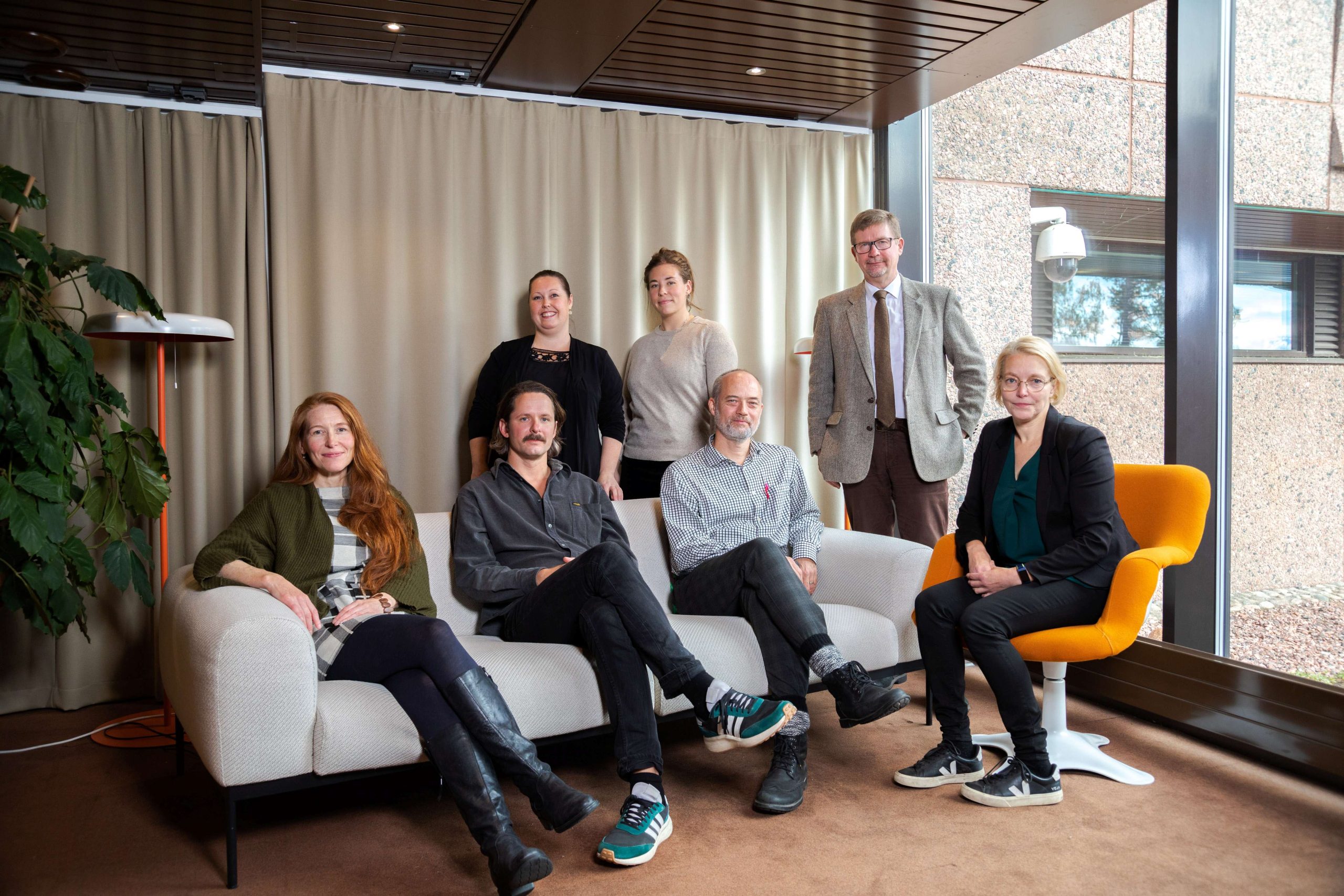
-
Few cases of labour market crime in the Faroe Islands
The Faroe Islands have many foreign workers and almost no labour market crime.
2 minutes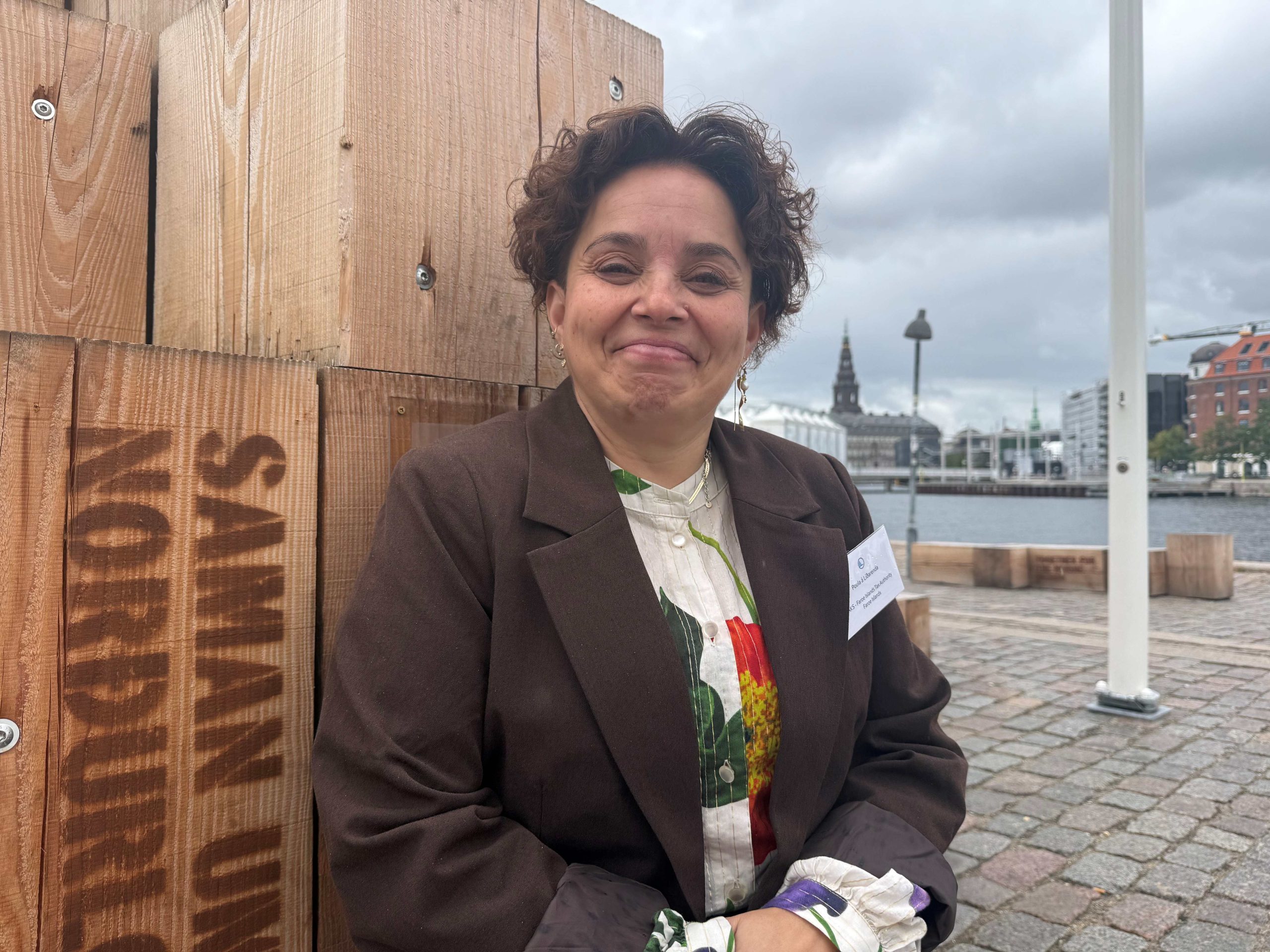
-
Uncertain and stricter migration rules reduce interest in working in Sweden
Since 1 June this year, anyone arriving from third countries who wants to work in Sweden have been required to earn at least 90 per cent of the Swedish monthly median wage. Some occupations with labour shortages, including in healthcare, are exempt, but uncertainty over migration policy makes more people hesitate about moving to Sweden.
7 minutes