“We are exempt from the increased salary requirement, so that’s not a problem. However, we are very much impacted by unpredictable and not thought through migration policies,” says Helena Ossmark, coordinator of foreign recruitment of healthcare professionals in Region Sörmland.
Read this article in Swedish on Nordic Labour Journal
She has been working with recruiting doctors and nurses since the big influx of refugees in 2015. At the time, the region chose to try to make use of refugees’ healthcare skills and experience, especially among the many Syrians who had arrived.
Today, few refugees are arriving, so this recruitment opportunity is largely gone.
Instead, doctors and nurses who come from countries outside of the EU choose to apply for vacant positions themselves, perhaps on the advice from a former colleague who has moved to Sweden.
Region Sörmland does not recruit internationally, even though the need for specialised. healthcare staff is large – not only in Sörmland and Sweden, but across the EU.
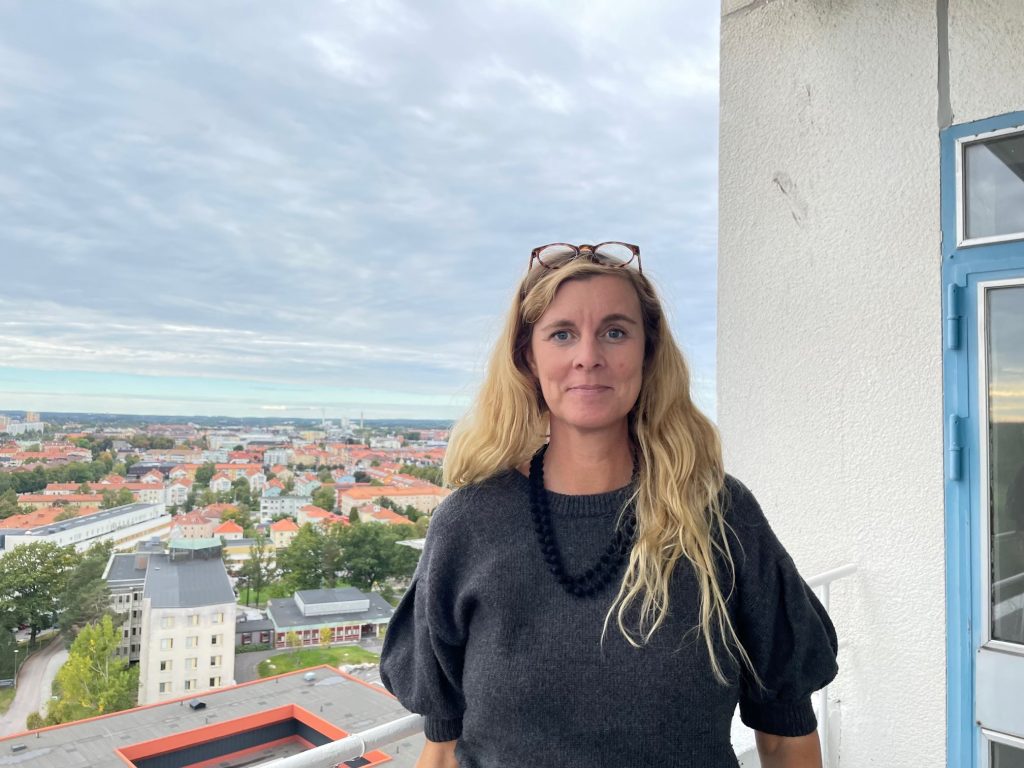
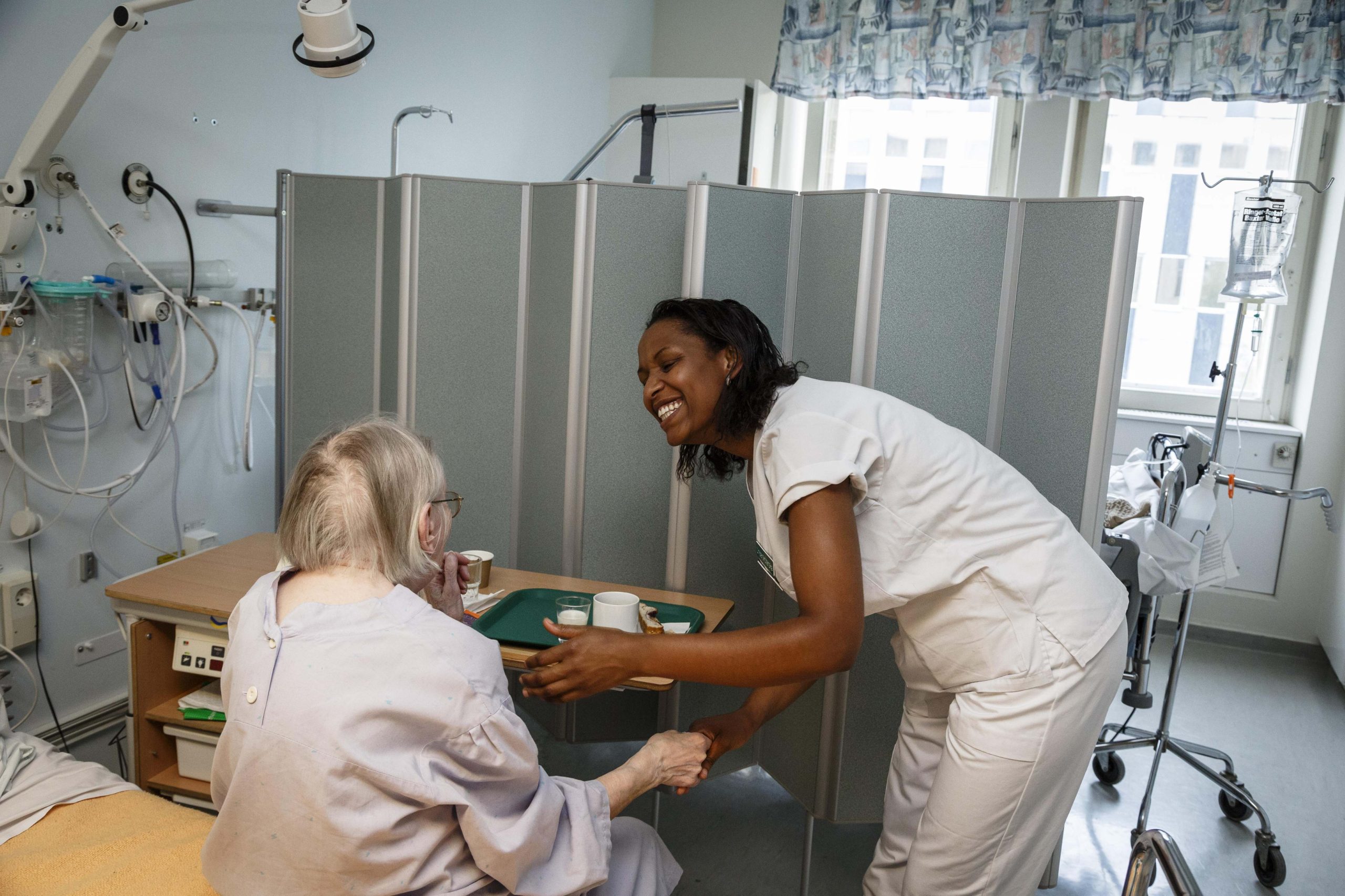
“For us, like the entire welfare sector, securing the skills we need is the biggest challenge. Too few train for jobs in welfare compared to demographic developments and we need skills from third countries.
“Right now, though, we see that the number of applications and interest has fallen, including among Turkish specialist doctors who have older children and who have heard about the deportations of teenagers.
“There’s also unease about the changes to the rules for permanent residency,” says Helena Ossmark.
From low to high-skilled migration
The salary threshold for labour migrants was raised on 1 June this year for the second time during the term of Sweden’s centre-right Tidö government.
On 1 November 2023, the threshold was raised from 13,000 kronor a month to 80 per cent of the median income, which meant a monthly salary of 28,480 kronor (€2,530).
The threshold is now set at 90 per cent of the median salary applicable at the time of the work permit application. Those granted a permit for up to one year are also required to have comprehensive health insurance.
The terms and conditions for employment must also not be less favourable than those set out in collective agreements.
Around 20 occupations are exempt from the increased salary threshold, including those with labour shortages in healthcare and elderly care, where the threshold is 75 per cent of the median wage.
People with foreign qualifications who are seeking employment in order to obtain professional registration as pharmacists, doctors, nurses or dentists are also exempt. The possibility of obtaining a residence permit has been abolished altogether for two occupations: personal assistants and seasonal berry pickers.

The government justifies the new rules arguing it wants to shift the focus of labour migration from low-skilled workers to high-skilled ones.
Another motivation behind the increased salary thresholds is Sweden’s 500,000 unemployed people who can fill low-skill jobs. The focus should now be on attracting high-skill labour that can help Sweden’s economic growth.
There is also a desire to increase control on work permits.
“We want to take strong action against the fraud and abuse that we know occurs in the Swedish labour market and which is particularly associated with low-skilled labour, people who have been systematically exploited and have suffered as a result,” said former Migration Minister Johan Forssell at a press conference on 22 May this year.
Strong protests against deportations following new rules
The changes have provoked strong reactions, not least because people who have been working and paying tax in Sweden for a long time no longer meet the salary criteria and are therefore deported.
Children of parents who have done everything right will also lose their protection when they become legal adults at 18. In the wake of the criticism, this age limit has now been raised to 21.
Changes to the so-called “change of track” scheme have also led to more insecurity. Until 2025, people whose asylum applications had been rejected could apply for a work and residence permit without leaving Sweden, meaning they could continue in jobs that were often in occupations experiencing labour shortages, such as healthcare and social care.
It came to an end following a legislative change that entered into force on 1 April 2025 without any transitional provisions. According to an opinion piece in Dagens Samhälle on 2 March 2026, this resulted in more than 650 people being issued deportation orders between 1 April 2025 and March this year.
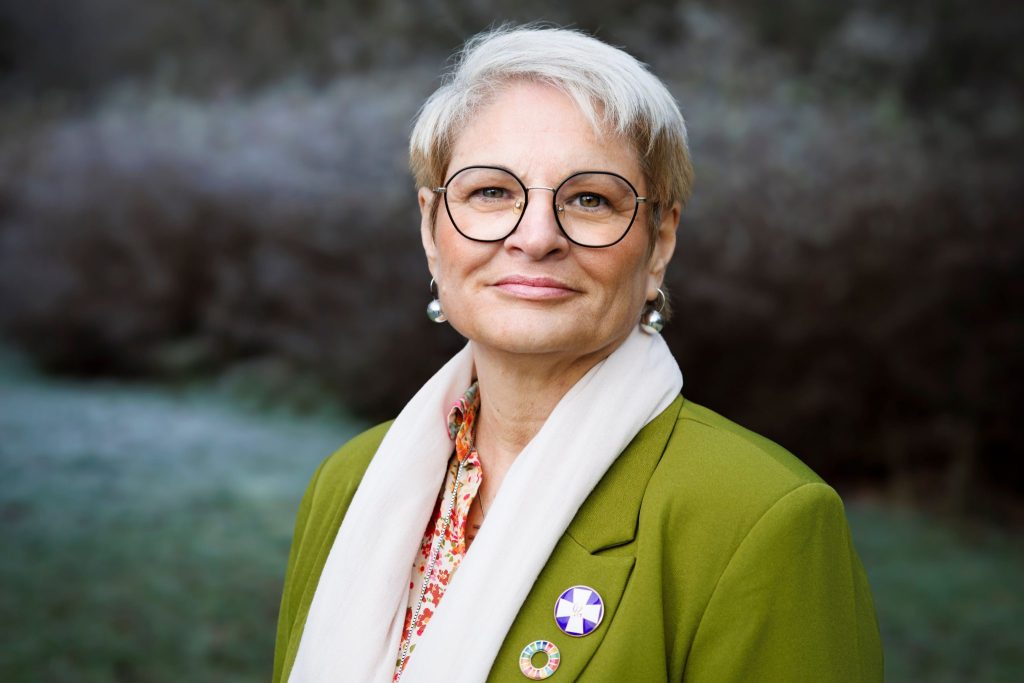
In the same opinion piece, Anders Henriksson, chair of the Swedish Association of Local Authorities and Regions (SKR), and Sineva Ribeiro, president of the Swedish Association of Health Professionals, called on the government to reconsider the deportation of skilled workers.
Under the headline “Sweden cannot afford to deport skilled workers”, they highlight the Swedish health and care sector’s need for skills, not least in the face of demographic challenges, growing cohorts of pensioners and increased demand for healthcare.
They wrote that over the past ten years, 4,000 doctors and 2,000 nursers have arrived in Sweden to work in municipalities and regions, and they concluded that these are:
“people who are crucial for the functioning of the healthcare system. These are colleagues who have settled in Sweden by learning the language, found housing and sometimes start a family. They pay tax, take further education, contribute and make a difference in our society – every day.”
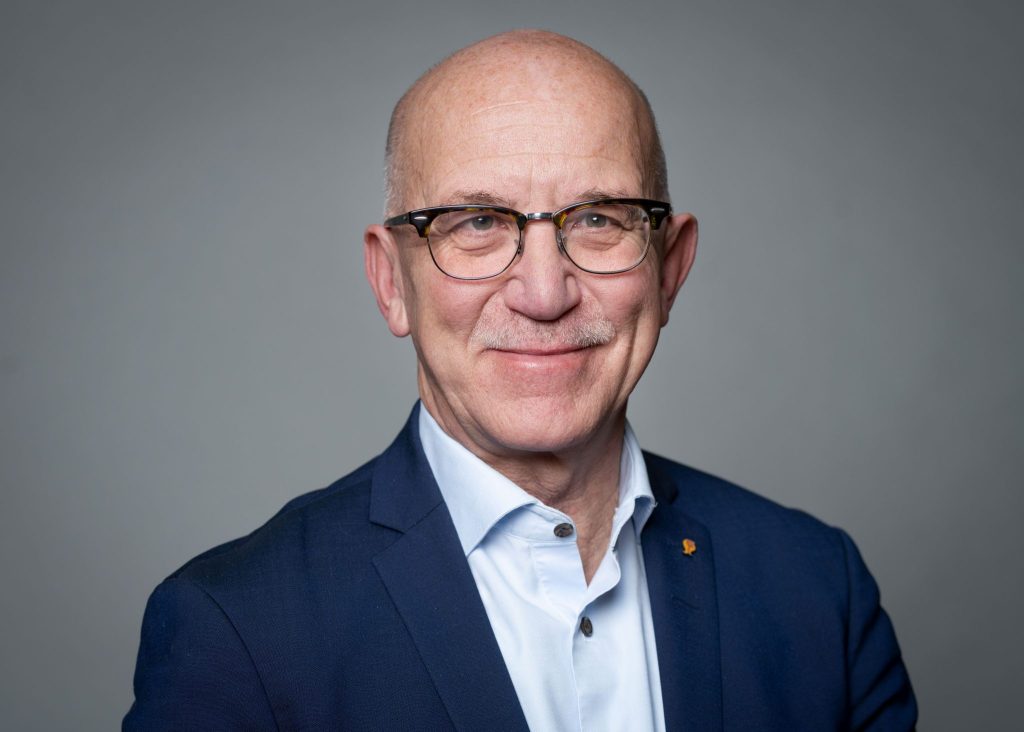
They conclude that “In light of the enormous labour shortage, for instance in the health and care sectors, Sweden will be needing those who are already in the country and those who want to come here from other countries to work”.
An investment for life
Helena Ossmark has witnessed many times the long process involved when doctors and specialist nurses from third countries need to get their qualifications validated in Sweden, compared with those who come from the EU or EEA countries, who often just need language training.
The Swedish National Board of Health and Welfare has requirements for those coming from outside the EU, and the process often takes several years.
A doctor from Turkey or Iraq, for instance, must first have their qualifications assessed, learn Swedish, and pass both theoretical and practical examinations.
Then they must complete a period of practical training in a healthcare setting and a course in legislation and regulations. Region Sörmland has a system that allows people to work in healthcare while their applications and qualifications are being processed, but on a lower level and with support.
It is not just foreign qualifications that need to be integrated into the new country, but everything that comes with it.
To settle in Sweden you need a personal number, housing and a bank account. Perhaps most important of all, there might be a family joining the worker, with a partner who needs a job and children in need of schooling.
There is a cultural journey here too.
Helena Ossmark has a story about a jobseeker who was asked during a job interview: “What are your expectations to your manager?” The applicant simply did not understand the question, not because of a lack of language but because it would have been an unthinkable question in their home country.
She also talks about the cultural exchange that happens in the workplace, which also reflects the Swedish way of working. For example, newly arrived employees are surprised by how much administration there is in the Swedish healthcare system.
Coming from outside the EU and obtaining a Swedish licence to practise as a doctor or nurse is an investment for life, Helena Ossmark concludes.
“I am incredibly impressed by those who go through this journey, and so grateful that they choose to come and work for us.
“It is a long and demanding process that takes one to two years and involves everything from having your qualifications assessed to making sure your children are happy at school and your partner finds a job.
“What tempts our employees from outside the EU is an attractive healthcare system and the opportunity to create a new future for themselves and their families. We also find that if they settle in well and their partner finds a job, they tend to stay,” says Helena Ossmark.