 In focus
AFI research: The sick leave debate needs readjusting
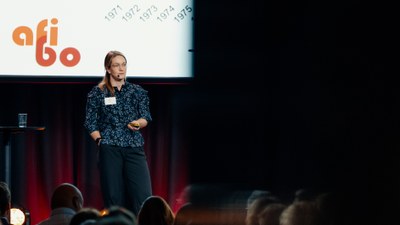
Nov 17, 2024 Norway has one of the highest sick leave levels in the world. So far, no remedies have proven effective. The debate about sick leave and social exclusion sometimes needs a bit of guidance to stop it from going off track, says AFI researchers.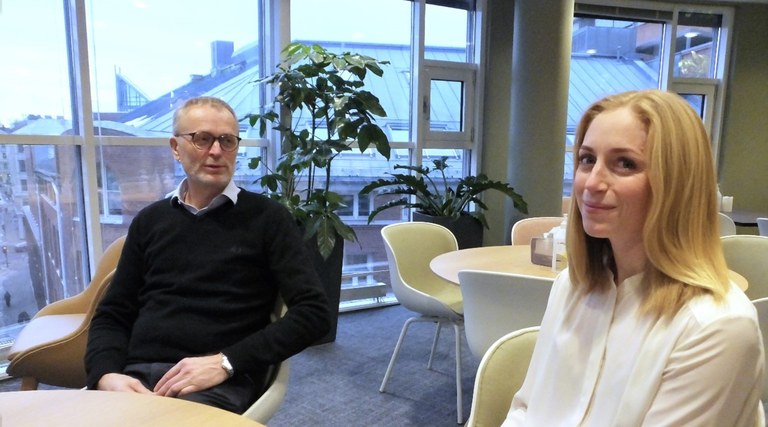
 In focus
Theme: The green transition
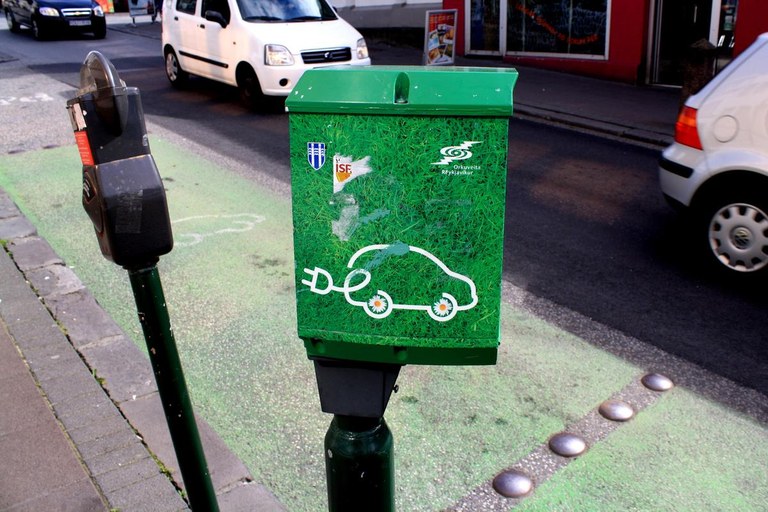
May 28, 2021 The green shift can be a threat to traditional businesses like petrol stations and it can create new jobs – like when Northvolt builds an enormous battery factory in Swedish Västerbotten. Denmark wants to make more environmentally friendly buildings, while Linnea Sjögren from Sweden has rediscovered an old resource – seaweed. Nordic and German trade unions have agreed to work together for a greener economy.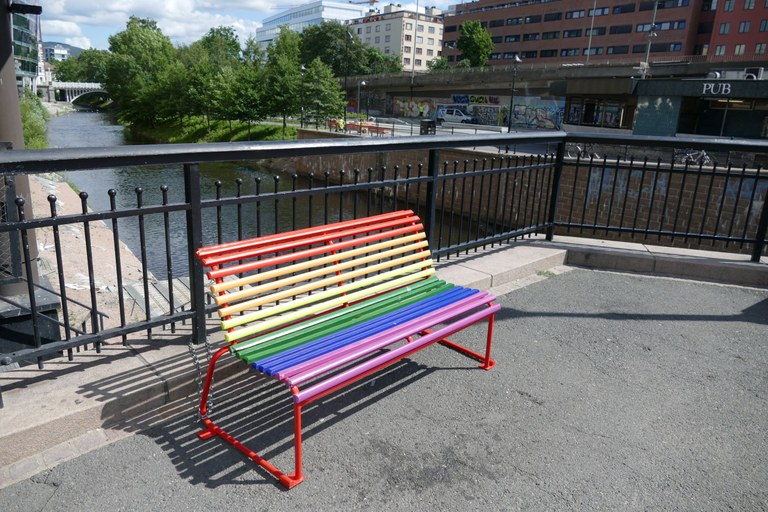 In focus
Theme: Equality also for LGBTI?
Feb 23, 2021 The Nordic countries are often considered to be at the forefront of LGBTI-rights, but a report from NIKK commissioned by the Nordic Council of Ministers has unveiled gaps in the legislation. We take a look at what it is like to be an LGBTI person today and how we can all become equal, despite our differences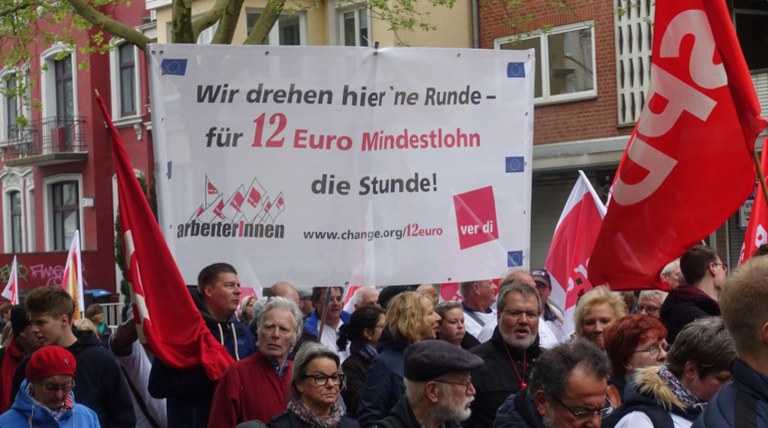 In focus
Theme: The battle over statutory minimum wages
Jan 30, 2021 2021 is set to be a crucial year for statutory minimum wages in Europe. The debate has been raging for a long time and the differences are growing. But on 28 October, the EU Commission put its foot down. We ask the social partners, politicians and researchers what they think will happen.
 In focus
Theme: The lack of assistant nurses
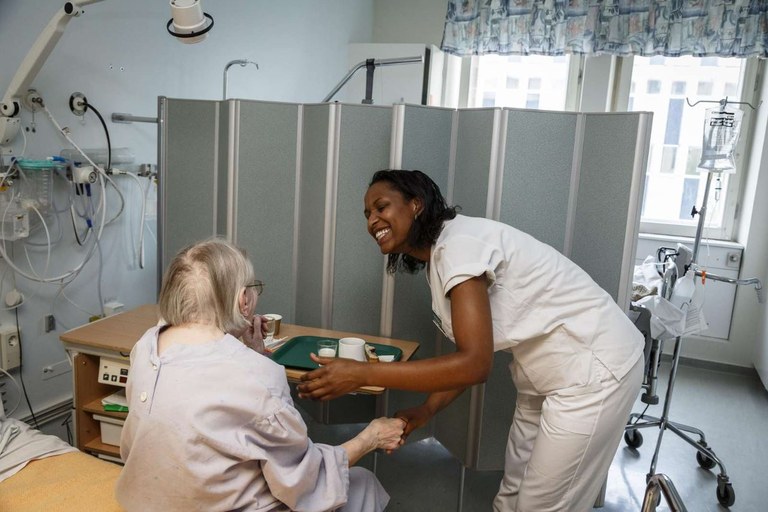
Feb 17, 2020 Across the Nordics there is a lack of hospital staff. NLJ focuses on assistant nurses. How do you increase the occupation's status? By giving it legal protection, as is proposed in Sweden? By transferring tasks from nurses, as is being done in Norway, or by establishing more full-time jobs like in Denmark?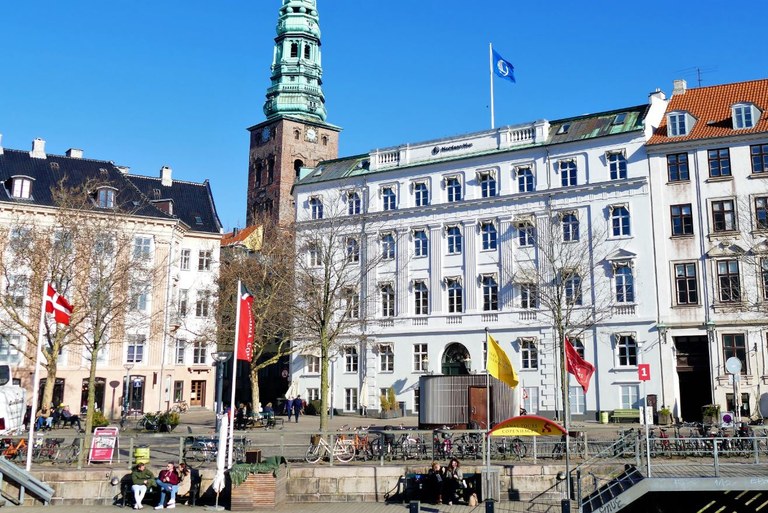 In focus
Theme: The Nordic Council of Ministers
Jan 16, 2020 The Nordic cooperation between governments is organised through the Nordic Council of Ministers, which next year turns 50. The Council has developed a new vision for 2030 with three clear goals: a green, competitive and socially sustainable Nordic region.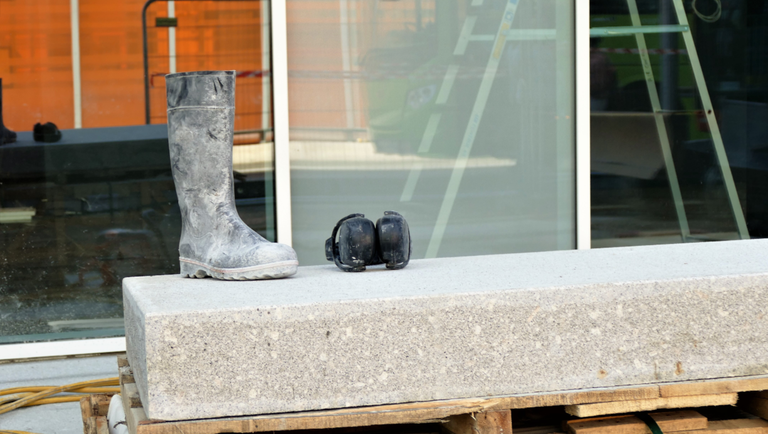 In focus
Theme: Fatal workplace accidents
Sep 12, 2019 Despite a vision zero for no workplace deaths, there are still too many fatal accidents. We analyse the Swedish statistics and visit a Finnish safety park. "Safety routines must be closer to people's hearts," says the national working environment coordinator for the Swedish Construction Federation's project "A safe workplace".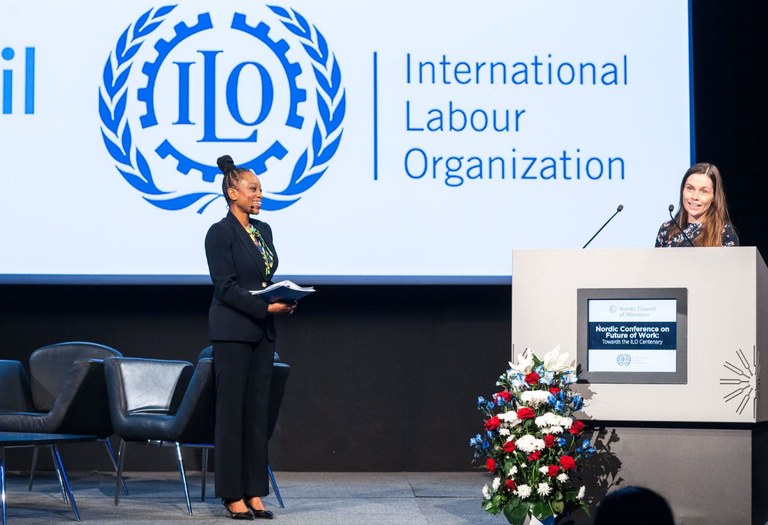 In focus
Future of work in Iceland
Apr 12, 2019 In the lead up to the International Labour Organisation's centenary, the last our of four Nordic conferences on the future of work have been held in Reykjavik. ILO Director-General Guy Ryder got updated information on how Iceland's paternal leave legislation and equal pay standard work. The Nordics' most important role is to lead by example, he pointed out.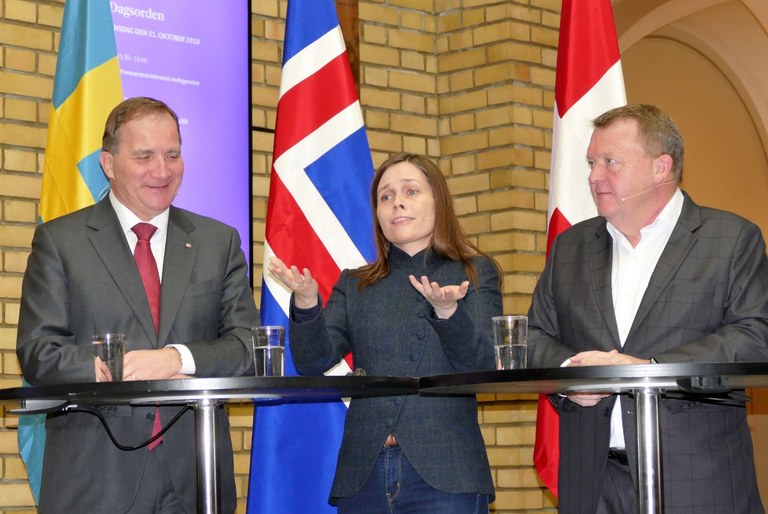
 In focus
|
Feb 2019
Sick leave being scrutinised again
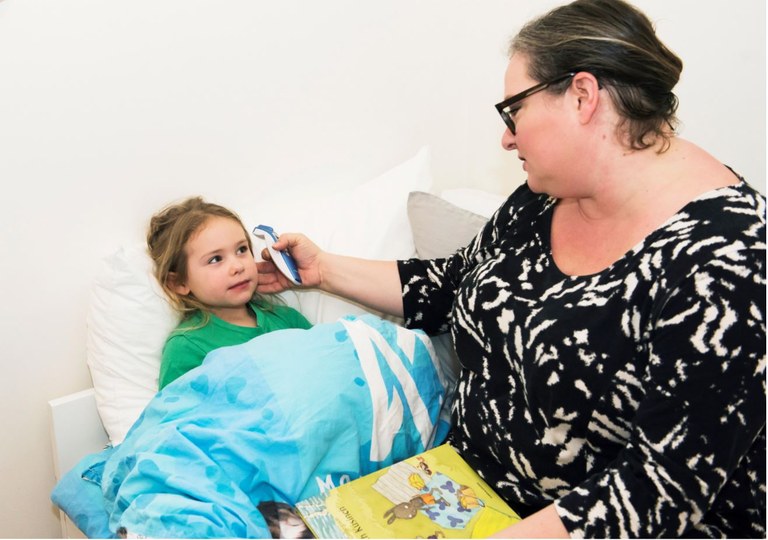
Feb 15, 2019 When unemployment falls sick leave levels rise, says Finnish researcher Jenni Blomgren. As a result, authorities are looking for ways to get more people into work. But how to do this is no easy task. 17 years of an inclusive workplace agrement in Norway shows as much. And not only adults fall ill (picture above). In Sweden, February is the top month for both "vabba" and "vobba".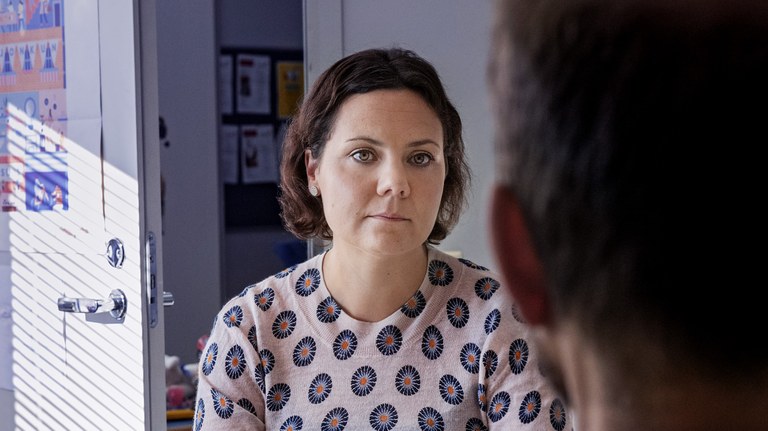 In focus
Theme: New Nordic perspectives on the work environment
Oct 16, 2018 In Denmark, a new committee has published 18 recommendations for how to improve work environments. In Sweden another committee is looking into who should be responsible for inspecting work environments in the new economy. In Finland there is growing awareness that threats to nurses and social workers represent one of the main work environment issues.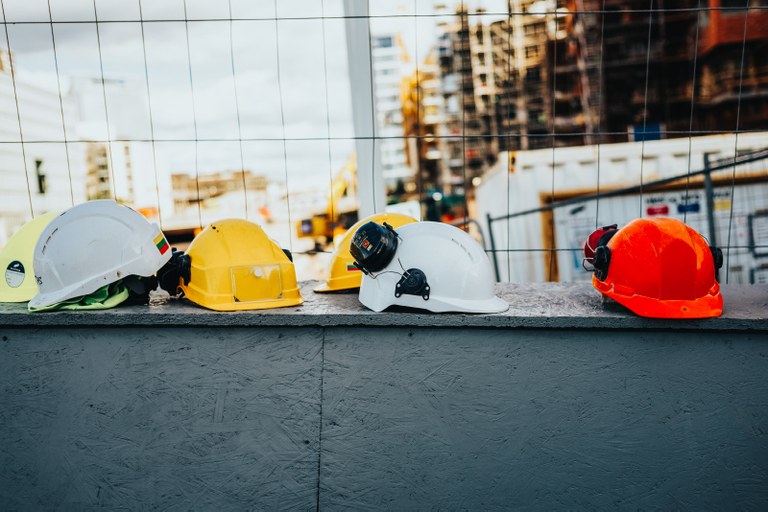
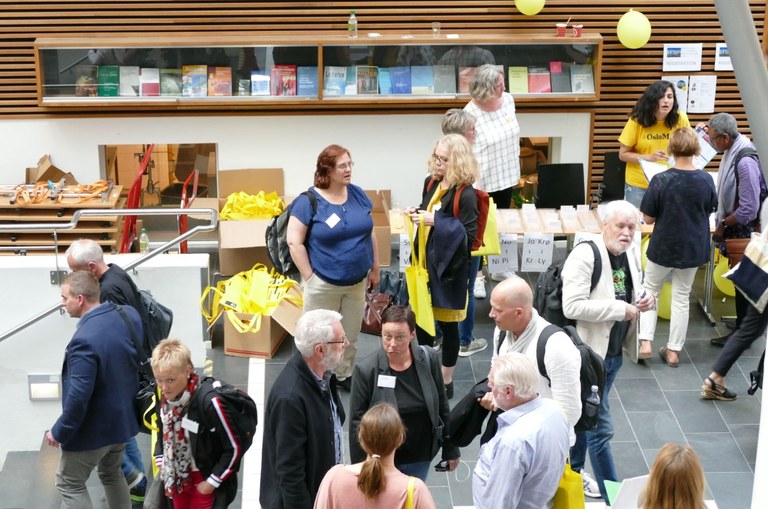 In focus
Research inspires policy development
Jun 22, 2018 The Nordic Work Life Conference 2018 presented and debated research on a range of topical and challenging social tendencies. The Nordic Labour Journal this month focusses on Norway's expansion of its paternal leave quota, Finland's universal basic income and the new platform economy.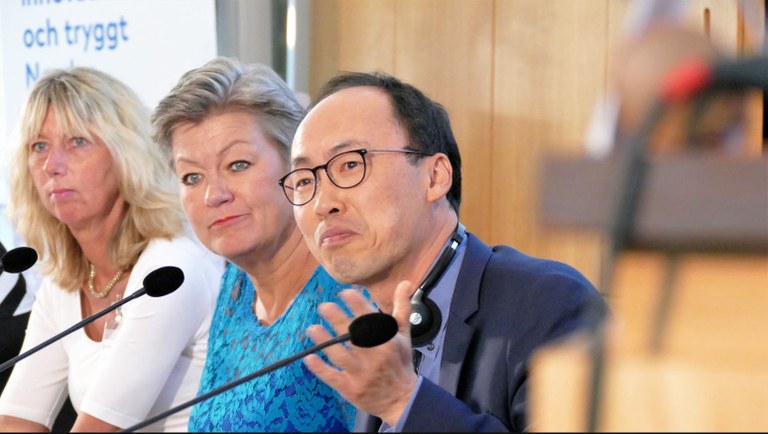 In focus
Future of Work
May 28, 2018 We need better systems to handle the challenges, said Swedish Minister of Labour Ylva Johansson at the recent conference on the Future of Work in Stockholm. 14 percent of jobs in OECD countries are at high risk of becoming automated, while a further 32 percent of jobs will change radically.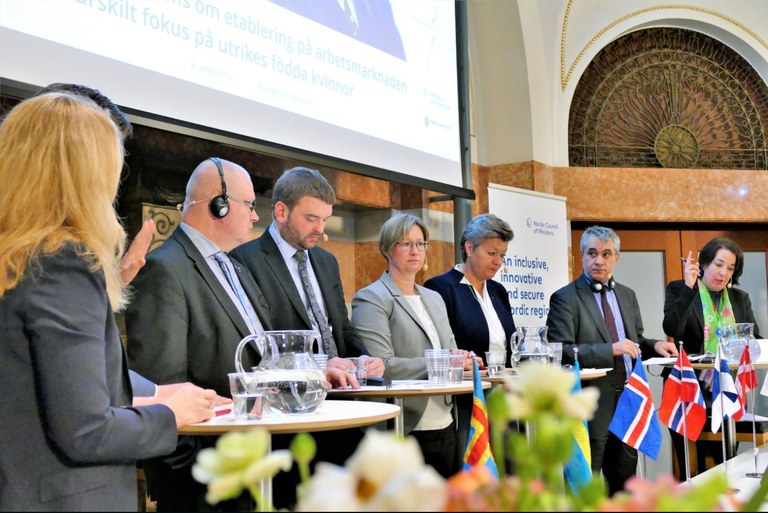 In focus
Diversity in the labour market – focus on newly arrived women
Apr 18, 2018 Nordic countries are world leaders when it comes to female employment rates. Yet unemployment remains high among newly arrived women. We take a closer look at who the women are, the cause of the problems and what can be done to get more women into work.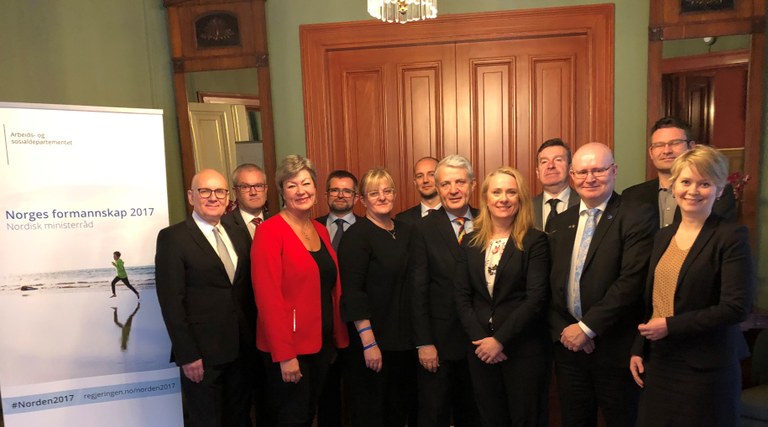 In focus
|
Dec 2017
The Nordics are entering the future of work
Dec 11, 2017 How do we prepare the Nordic model for the future of work? The question gets a lot of attention in a time of major demographic and technological change. The count-down to the ILO’s centenary celebrations has started, and the Nordics want to contribute – but how?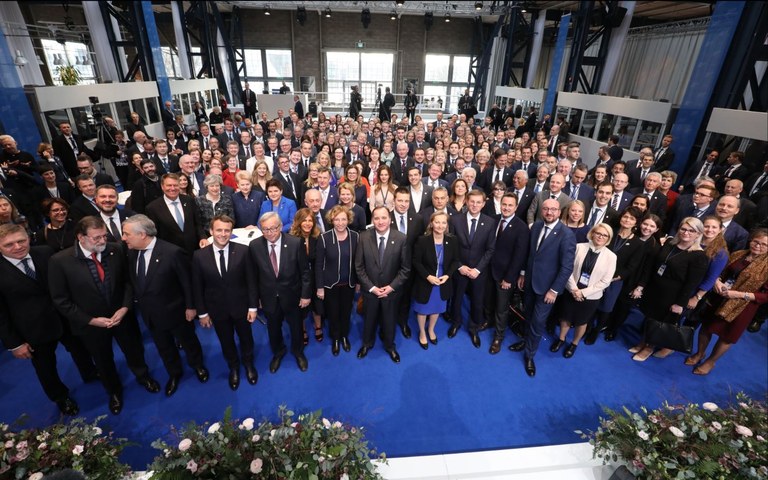 In focus
The Nordic region in Europe
Nov 22, 2017 The EU’s social pillar has been signed at the Social Summit in Gothenburg. Is there reason to fear it will challenge the Nordic model? What does the international trade union movement think? What do employers suggest, and what do the people and Europe’s leaders make of it? In focus
 Follow us on Facebook