Work Environment
- Gender Equality
- Green Transition
- International
- Labour Law
- Labour Market
- Nordic Model
- Research & Progress
- Work Environment
-
Danish welfare agency wide open for fraudster
Should an employee get a lesser sentence if it is easy to steal from the employer? This issue is currently being debated in the criminal case brought against Danish Britta Nielsen, who stole more than 100 million kroner (over €13m) from her employer, the Danish National Board of Social Services. The money had been allocated…
3 minutes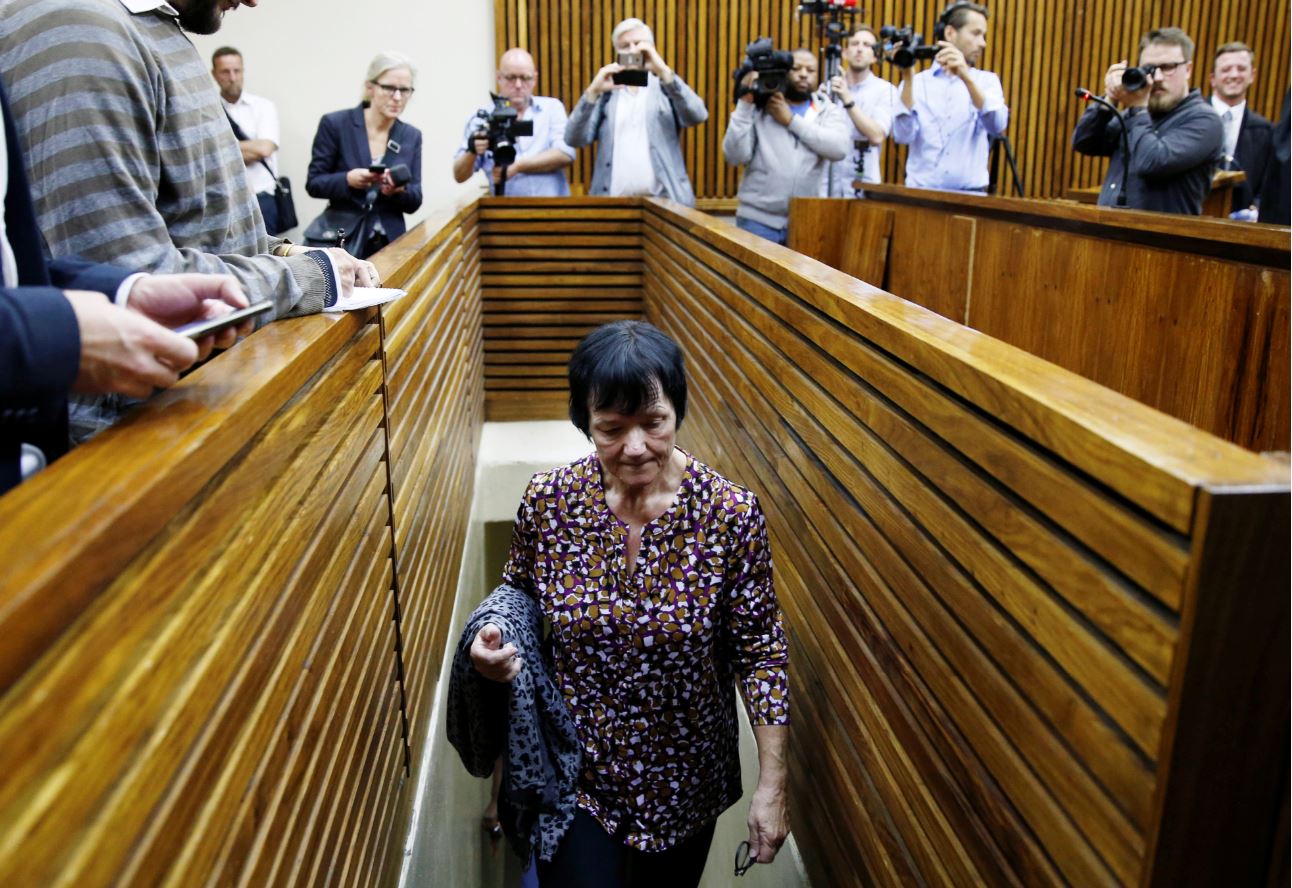
-
Sweden – more generous than what EU law demands
For many years, Swedish authorities considered it to be people’s right to take their so-called guaranteed pension (garantipension) with them if they moved abroad. Yet, a couple of years ago, the EU Court of Justice made it clear that Sweden was not at all obliged to pay the guaranteed pension to people living in other…
3 minutes -
Money can’t buy you happiness in Iceland
Families need decent wages in order to afford all the essentials. But high wages do not necessarily make families happy. There is no direct correlation between money and happiness, unless the family has real economic problems. The key to happiness is mainly spending time with family and friends.
4 minutes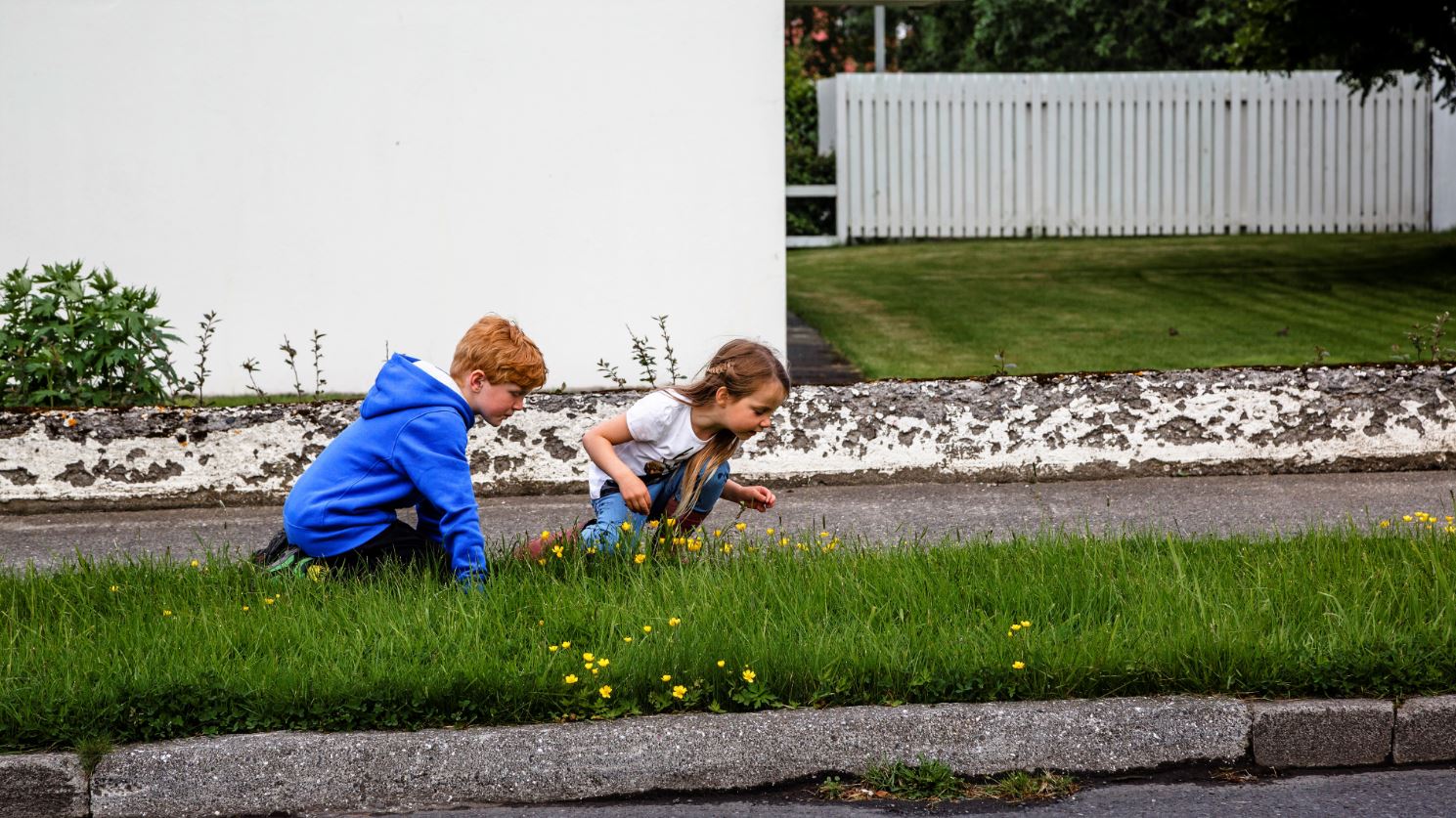
-
ILO Convention on Violence and Harassment – an issue of Decent Work?
In an op-ed the Council of Nordic Trade Unions and the leaders of the Baltic Trade Union Confederations urge the eight Nordic and Baltic countries to quickly ratify the latest ILO-convention, often called the Metoo-convention.
2 minutes -
Oslo Foodora riders on strike
It has become an increasingly common sight in many cities: Foodora’s bike riders home-delivering restaurant food. But right now in Oslo, hundreds of striking riders are cycling around to gather support for their demand for a collective agreement. Other countries are taking note.
4 minutes
-
Peter Hummelgaard: aims to secure early retirement for tired workers
The Danish labour market is facing major changes if Minister for Employment Peter Hummelgaard manages to get support for his plans. He wants to fight for fairer conditions for people with lower levels of education and for those in low-paid jobs.
2 minutes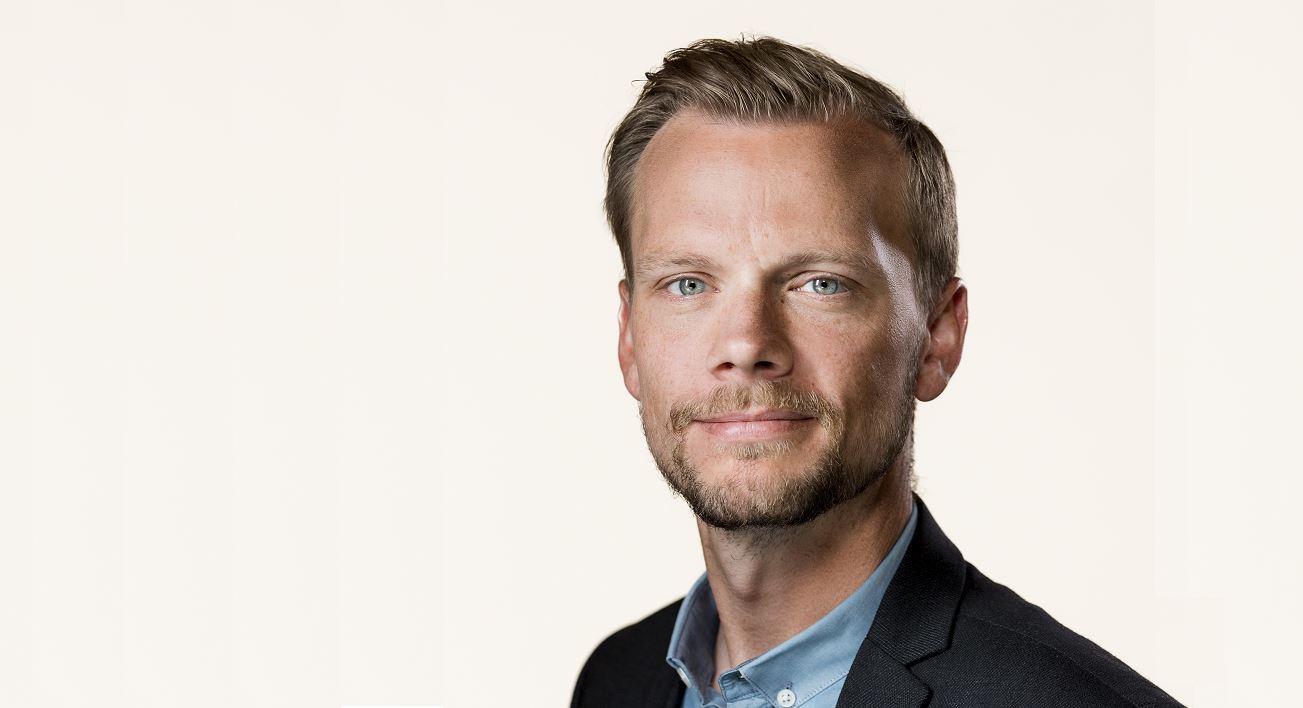
-
How to change the world
In this edition of the Nordic Labour Journal, we write about the ILO, the Treaty of Versailles and tourism. In a funny way, they are all linked.
3 minutes -
Guy Ryder: The multinational system must understand the importance of work issues
The ILO has celebrated its centenary. In a jubilant tweet from Geneva, Guy Ryder summed up the 108th session of the International Labour Conference: “We had big ambitions for this Conference, and it was a record breaker in every sense. We emerged with a new Convention, a new Recommendation and a Declaration that will take…
8 minutes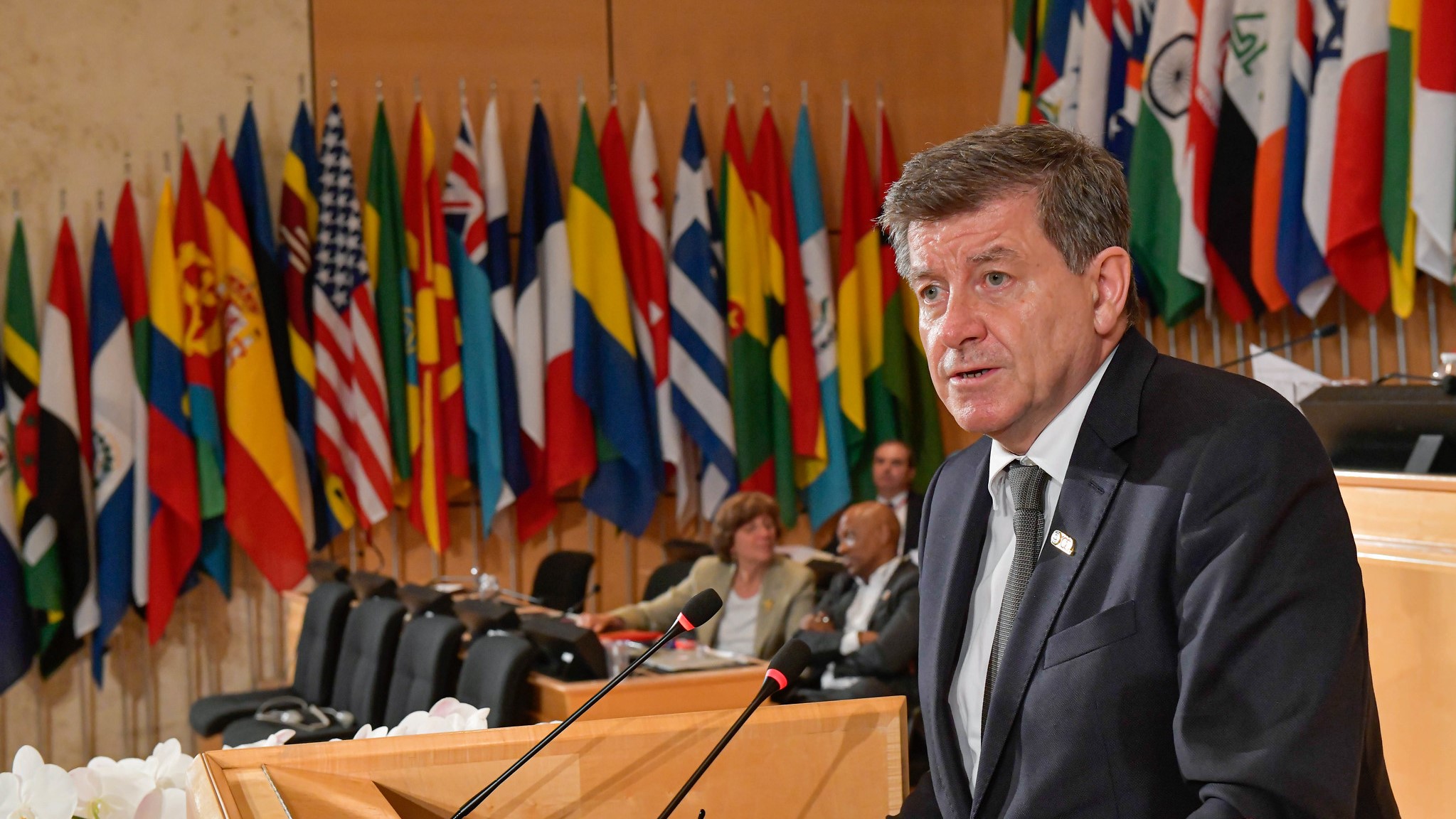
-
Closing down the Faroes to attract more tourists
The Faroe Islands are closing down. Damaged nature will be fixed. The Prime Minister for the 18 green islands in the North Atlantic is being very clear: No tourists for an entire weekend. But the Faroes were not closed down. It was all a well-prepared PR stunt to attract more tourists to the country.
5 minutes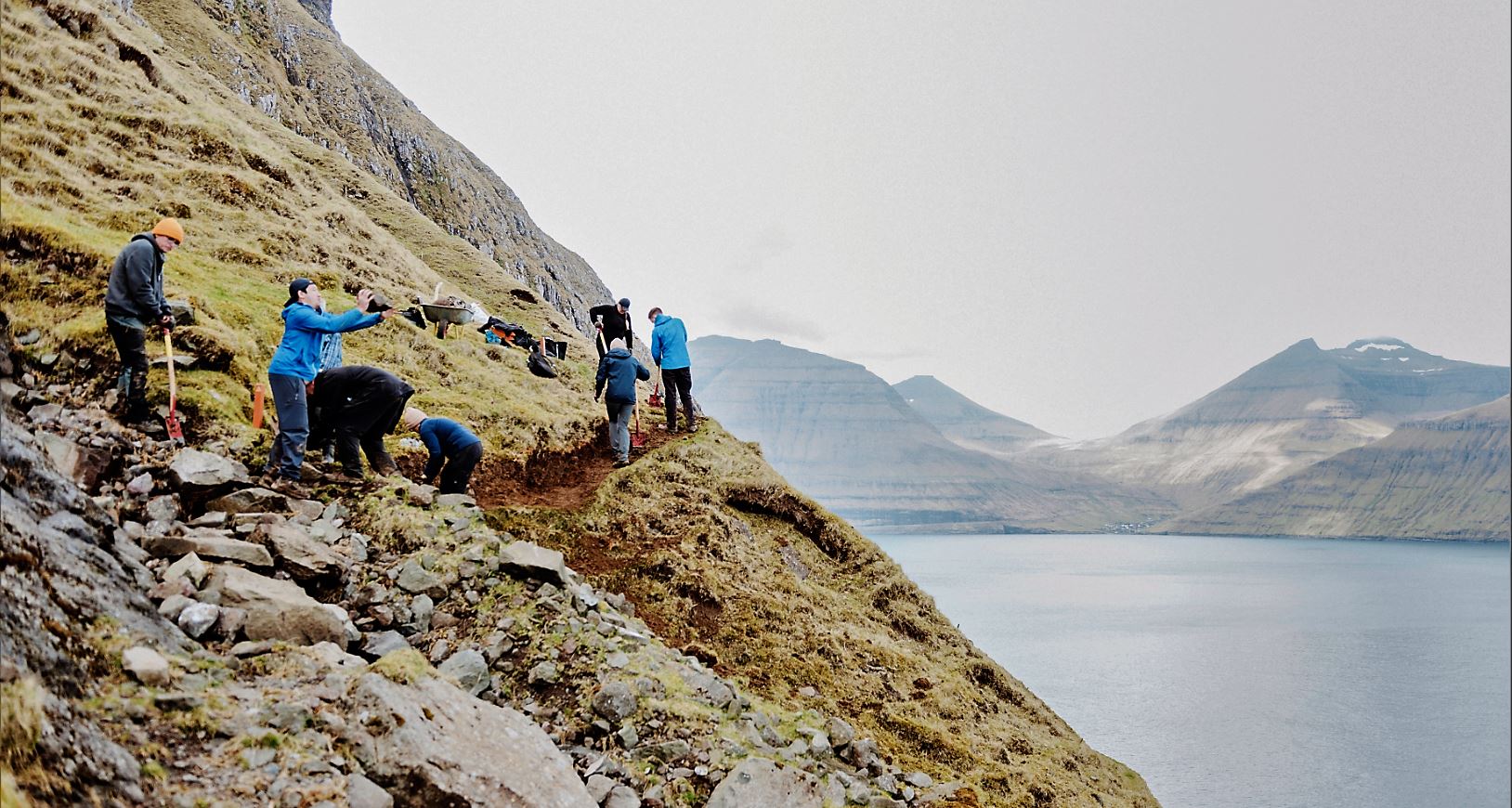
-
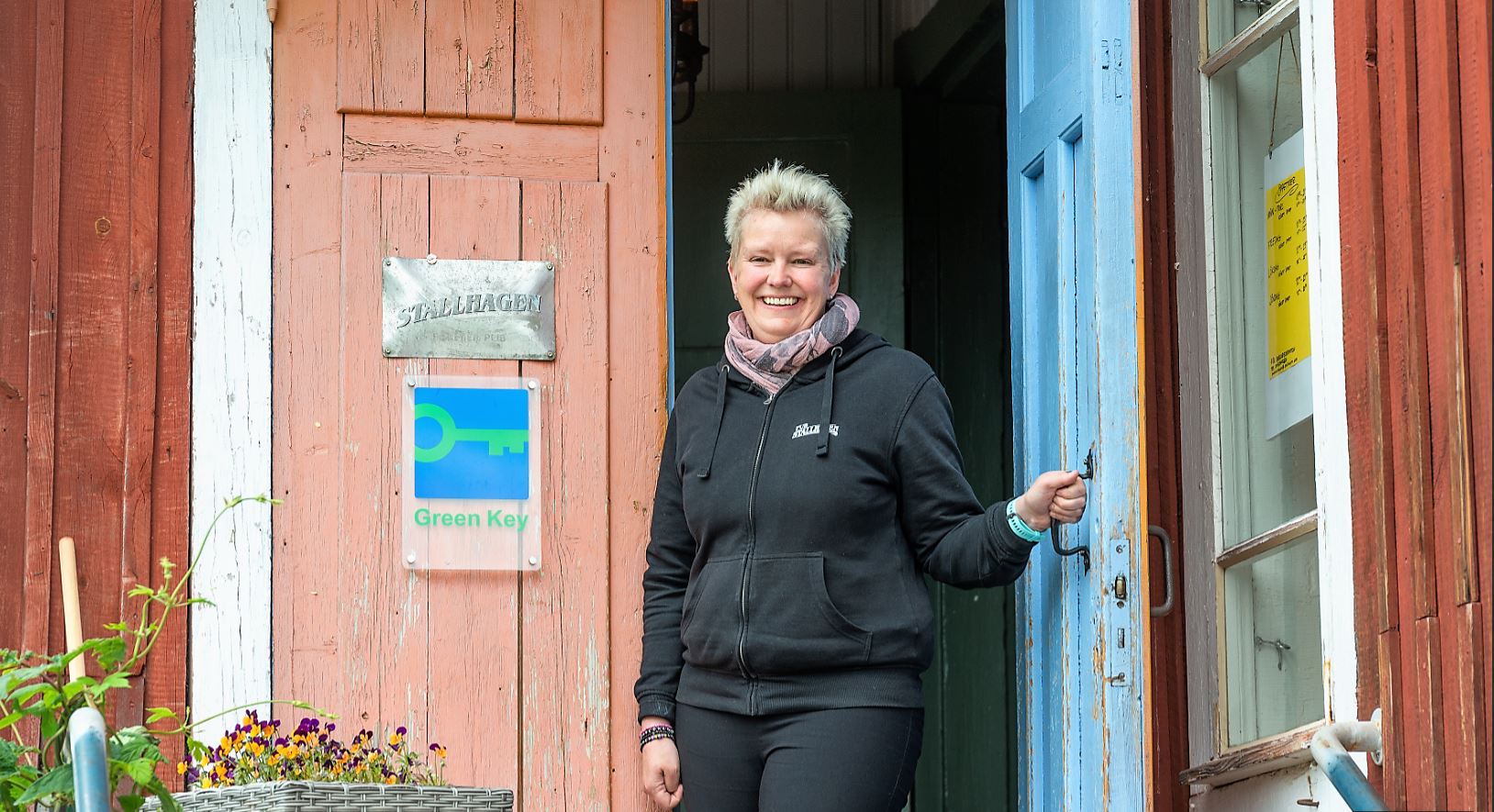
Sustainable tourism in Åland – no Coca-Cola or Norwegian salmon
Åland was first to implement the Green Key certification scheme for restaurants in Finland. Among the pioneers was Pub Stallhagen, where chef Johanna Dahlgren has done a huge job both as an inspirator and educator.
4 minutes