Labour Market
- Gender Equality
- Green Transition
- International
- Labour Law
- Labour Market
- Nordic Model
- Research & Progress
- Work Environment
-
Anda Uldum: The man with the key to the national coffers and the mines
Greenland’s new Minister of Finance and Raw Materials, Anda Uldum, is facing a giant challenge.
3 minutes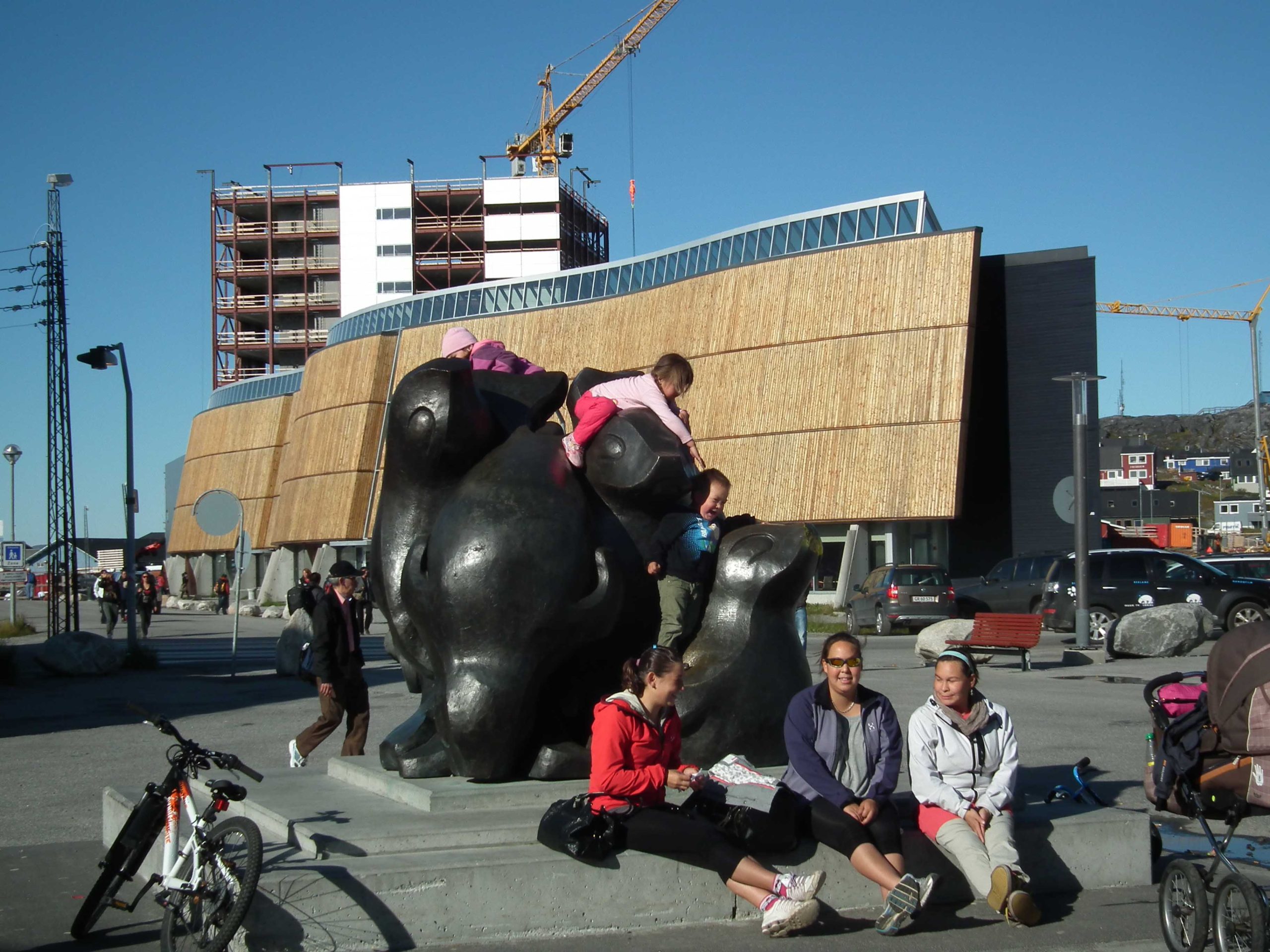
-
The minimum wage — threat or opportunity?
Stop worrying and join the debate about a legally binding minimum wage across the EU. That’s the bombshell from Bente Sorgenfrey, the new President for the Council of Nordic Trade Unions, NFS. Is fear for the debate the real problem, or is a statutory minimum wage a real threat to the Nordic model? The Nordic…
2 minutes -
Minimum wage could be on ETUC congress agenda
Nearly all European countries have now introduced a statutory minimum wage. At the end of 2014 Germany introduced a minimum wage of €8.50 an hour. But the Nordic countries are sticking to their agreement model.
3 minutes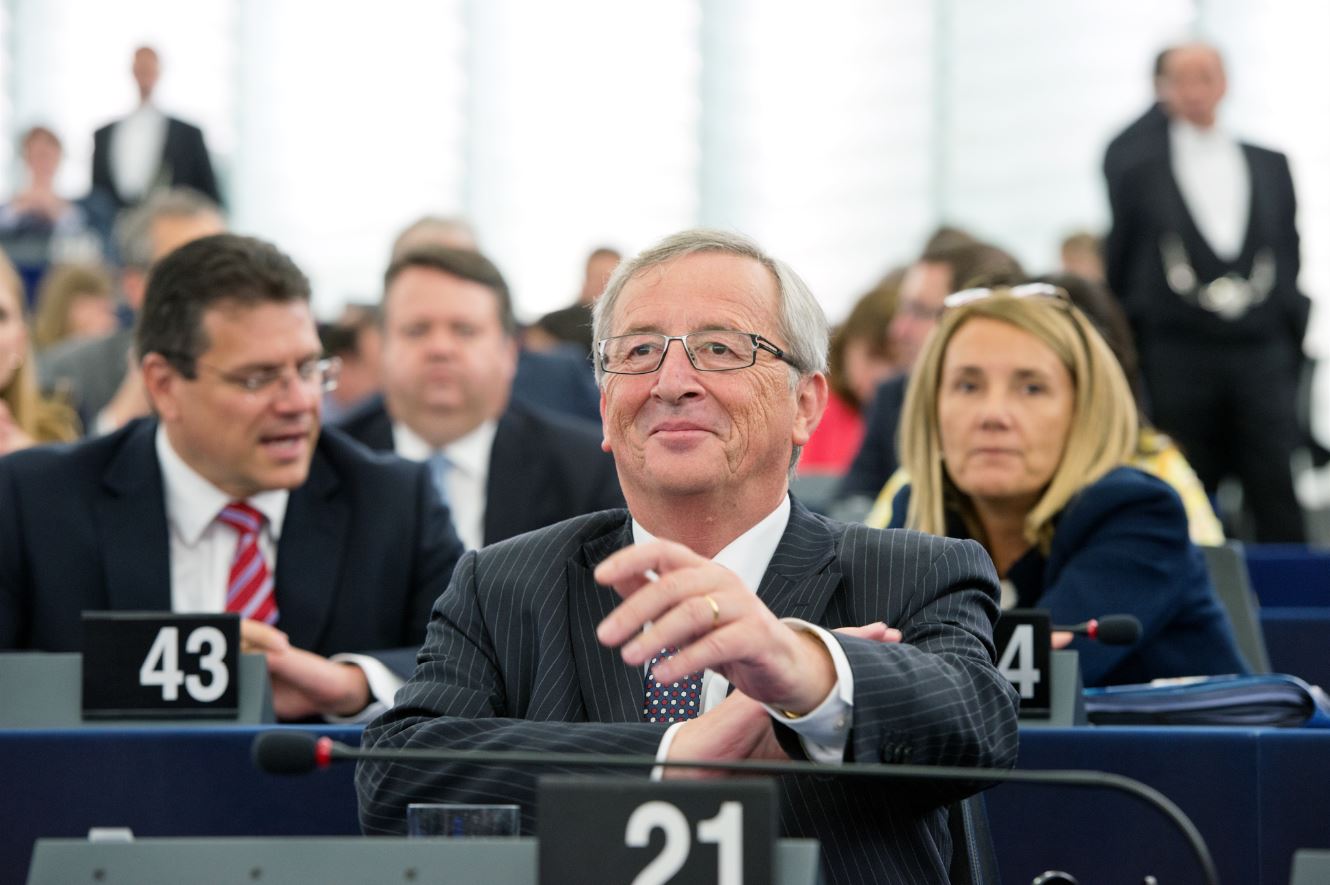
-
Swedish Transport Union: minimum wage could stop social dumping
There is strong opposition to a statutory minimum wage in Sweden. But the parties in the transport trade have started talking about making collective agreements universally applicable. The reason: pay cuts and social dumping resulting from the freedom of movement.
7 minutes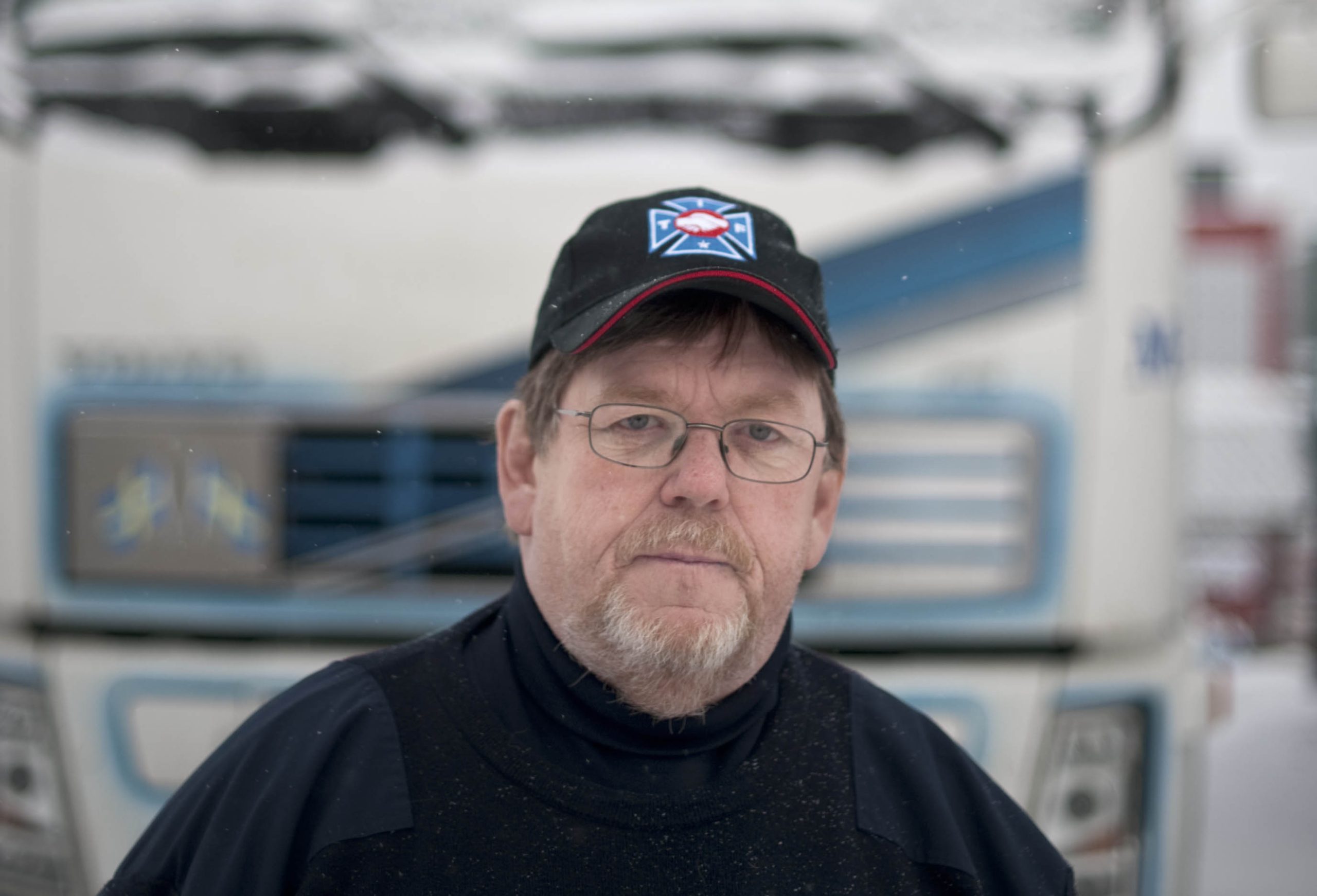
-
Only far left wants minimum wage in Finland
Finland is one of the Nordic countries which has not had a public debate about a minimum wage. The Left Alliance (VF), which is the party furthest to the left in Finland, is the only political party which has called for a statutory minimum wage. In April’s general elections the party’s manifesto will also include…
2 minutes
-
Denmark: more refugees and immigrants into work
Far too few refugees and immigrants in Denmark are in work, and there is broad agreement something needs to be done about it. Yet there is little support for the Prime Minister’s proposal to get refugees and immigrants to clean up Denmark’s beaches and fix swings in kindergartens.
4 minutes -
“LinkedIn can complement the employment service”
“We must improve matching in the labour market, and the employment service needs help from other players to do this. LinkedIn could play an important role in a well functioning labour market,” says Sweden’s Minister for Employment, Ylva Johansson.
4 minutes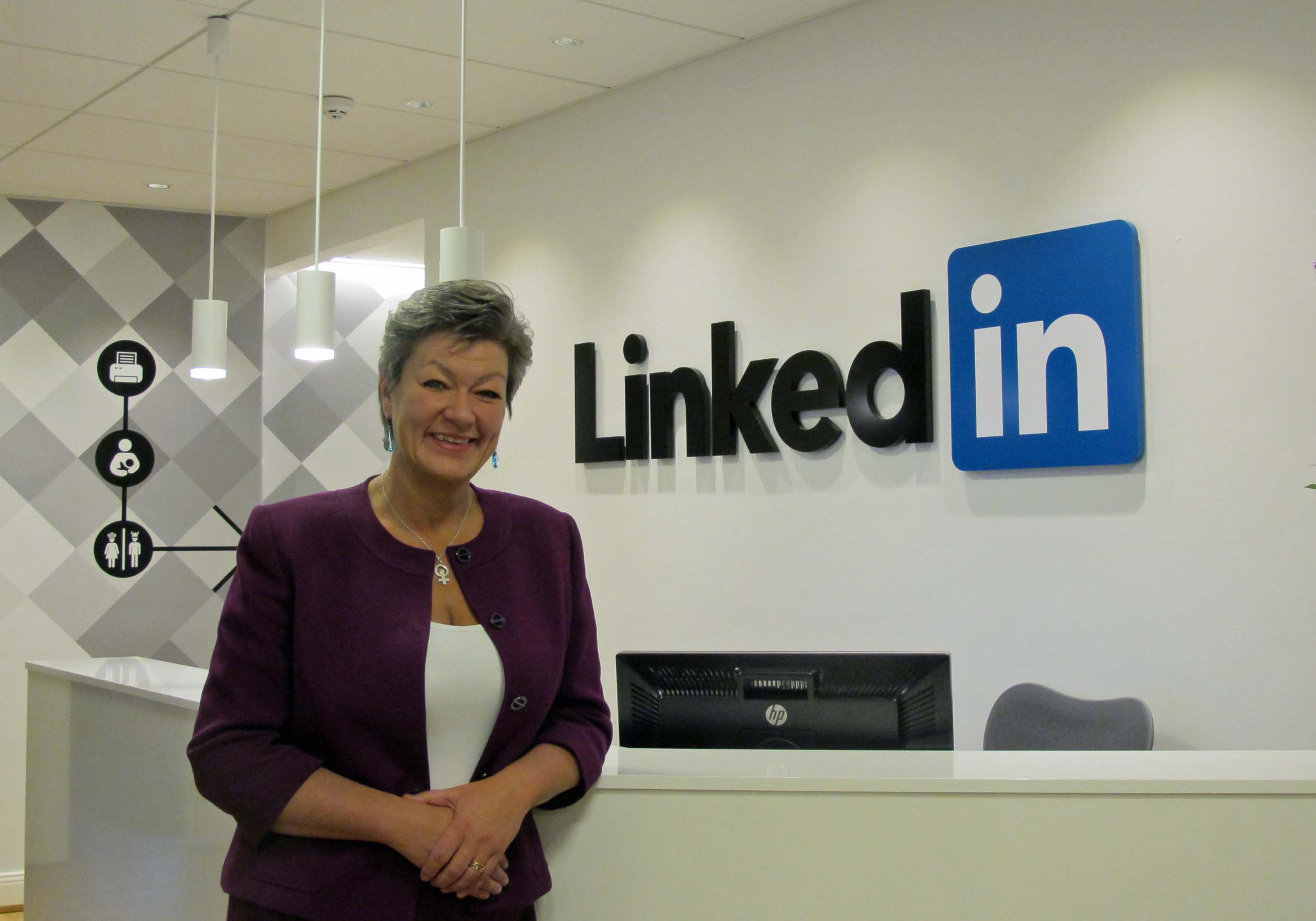
-
Technology and cooperation key for sustainable development in the Arctic
The Nordic region needs to speak with one voice and develop joint technology if the northernmost parts of Finland, Norway and Sweden want to achieve sustainable development in the Arctic, according to the report ‘Growth from the North’.
2 minutes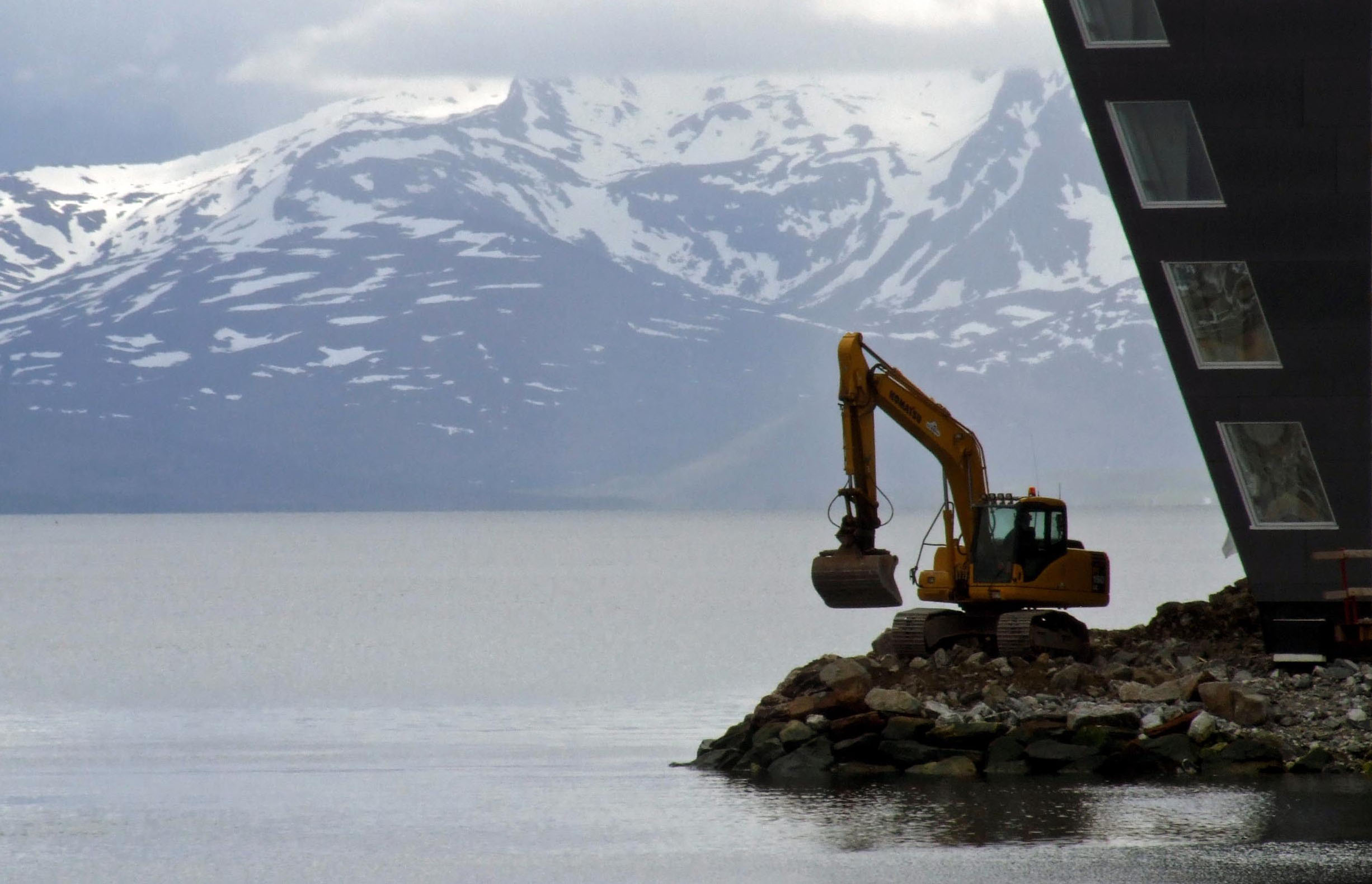
-
Minister for Strategic Development Kristina Persson: make the Arctic “green”
So far she has been the least visible minister in the Swedish government. That’s about to change as she is setting up a think tank in the government offices.
9 minutes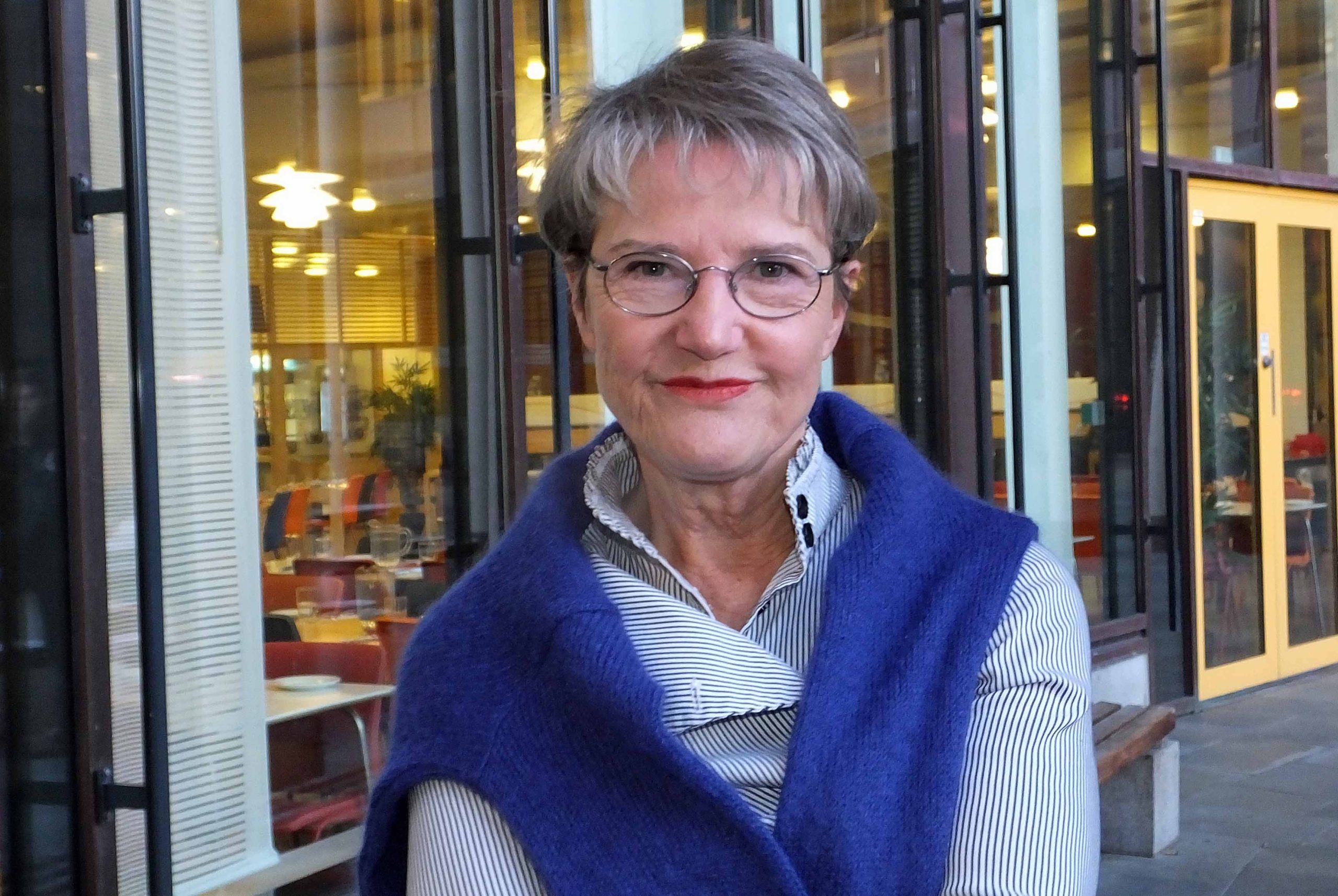
-
The sharing economy is changing the services market
Mow the neighbours lawn? Quickly get hold of a skilled handyman? More and more digital marketplaces are emerging in order to facilitate the link between those who offer and those who need services. There are many different solutions, and two of the market’s players predict that things are only just starting.
9 minutes