
Labour Market
- Gender Equality
- Green Transition
- International
- Labour Law
- Labour Market
- Nordic Model
- Research & Progress
- Work Environment
-
Iceland’s Starfatorgið: 50 percent found jobs or started studying
The financial crisis was tough on young Icelanders. Many were unemployed for so long that they no longer qualified for unemployment benefit, only welfare money. Between 2012 and 2014 they were sent to Starfatorgið (‘the labour exchange’). Over half of the young people participating in Starfatorgið got a job or started studying.
3 minutes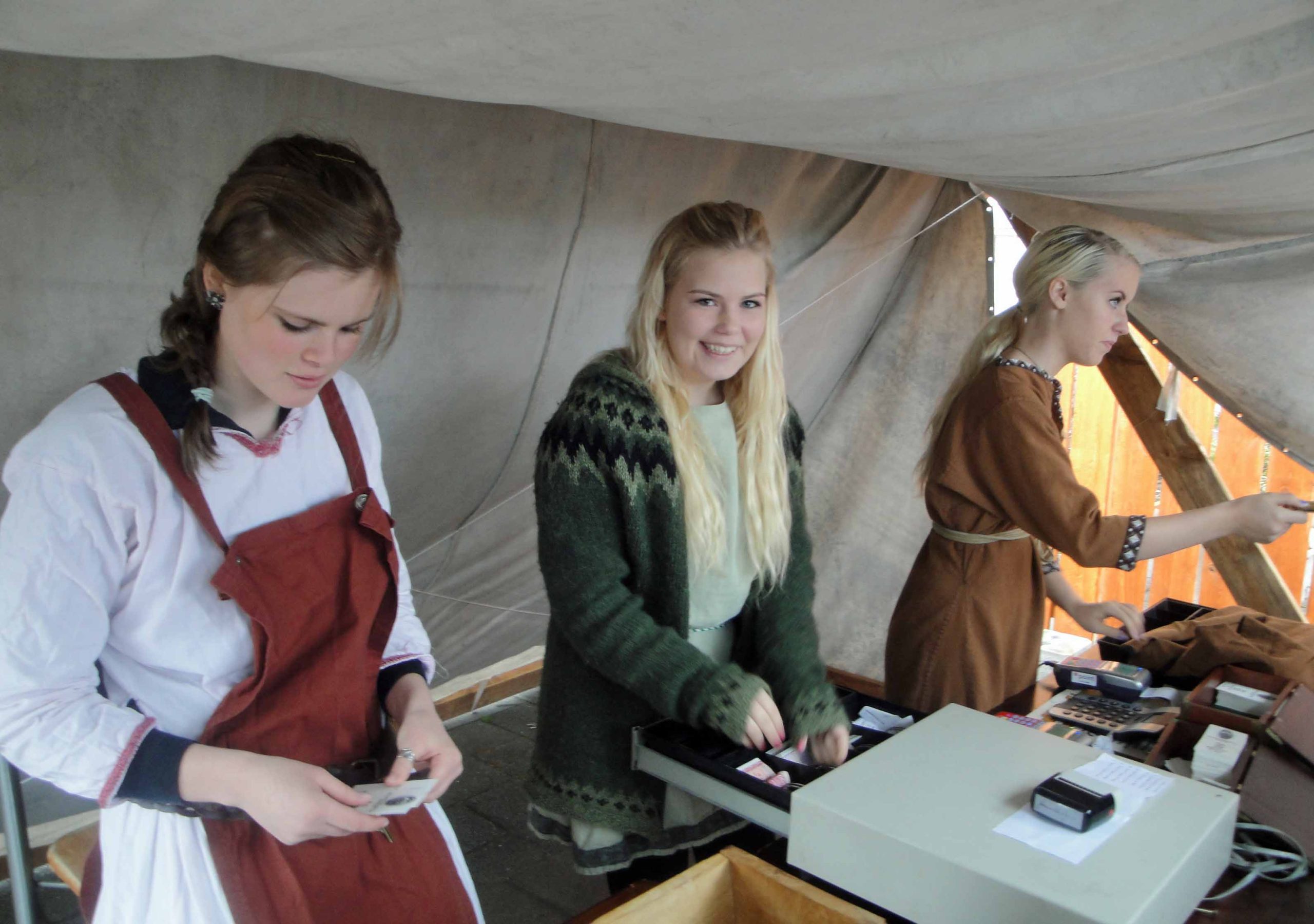
-
Experts propose a more labour targeted and user friendly NAV
One year has passed since Norway’s Minister of Labour and Social Affairs Robert Eriksson appointed the Expert group tasked with undertaking a comprehensive review of the Labour and Welfare Administration NAV under the motto ‘From bureaucratic reform to user reform’. Now the report is ready: ‘A NAV with possibilities.’
6 minutes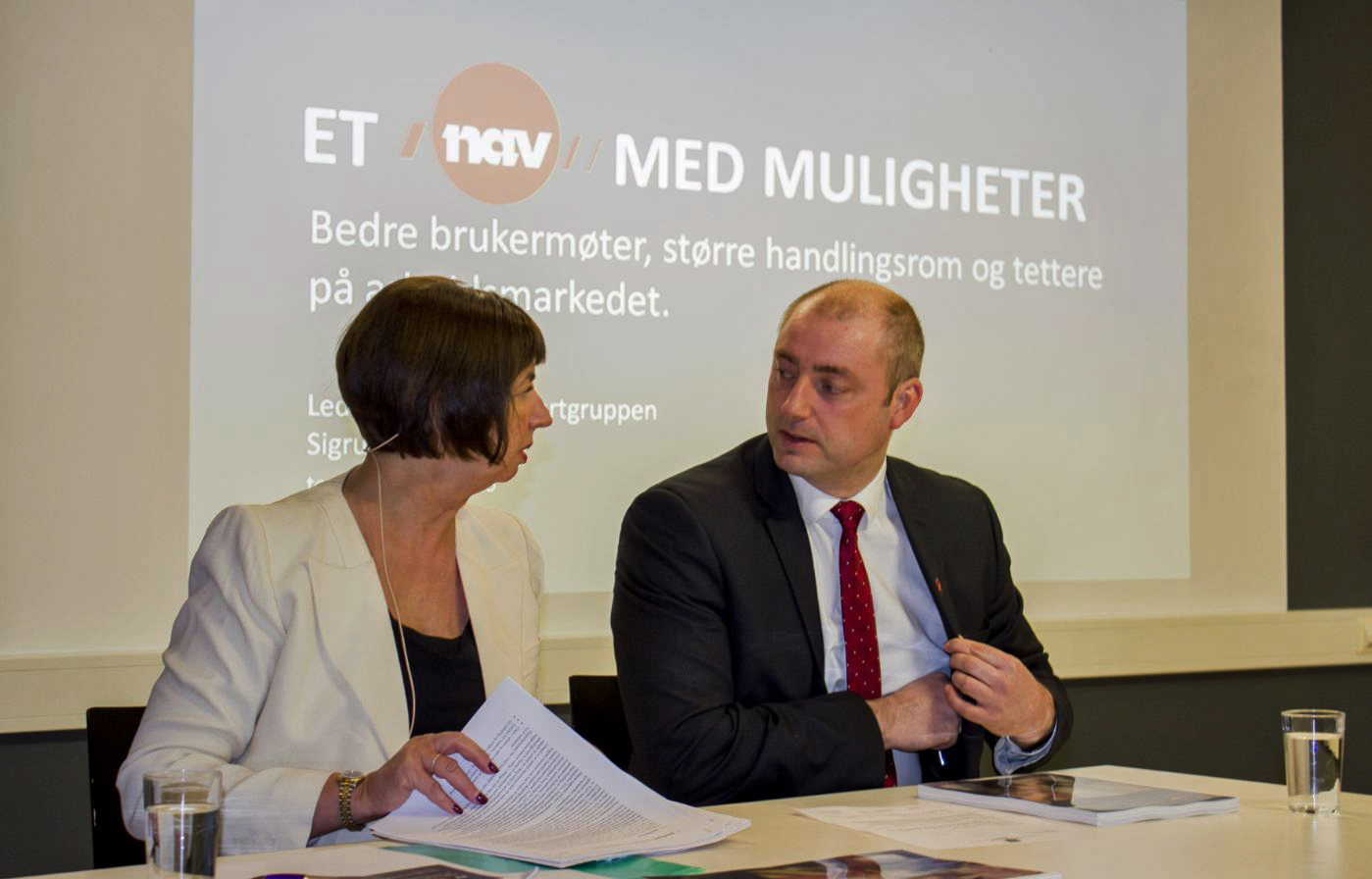
-
Estonians are returning home
The Baltic states are loosing active citizens fast, but in Estonia the authorities have started counting them back in.
6 minutes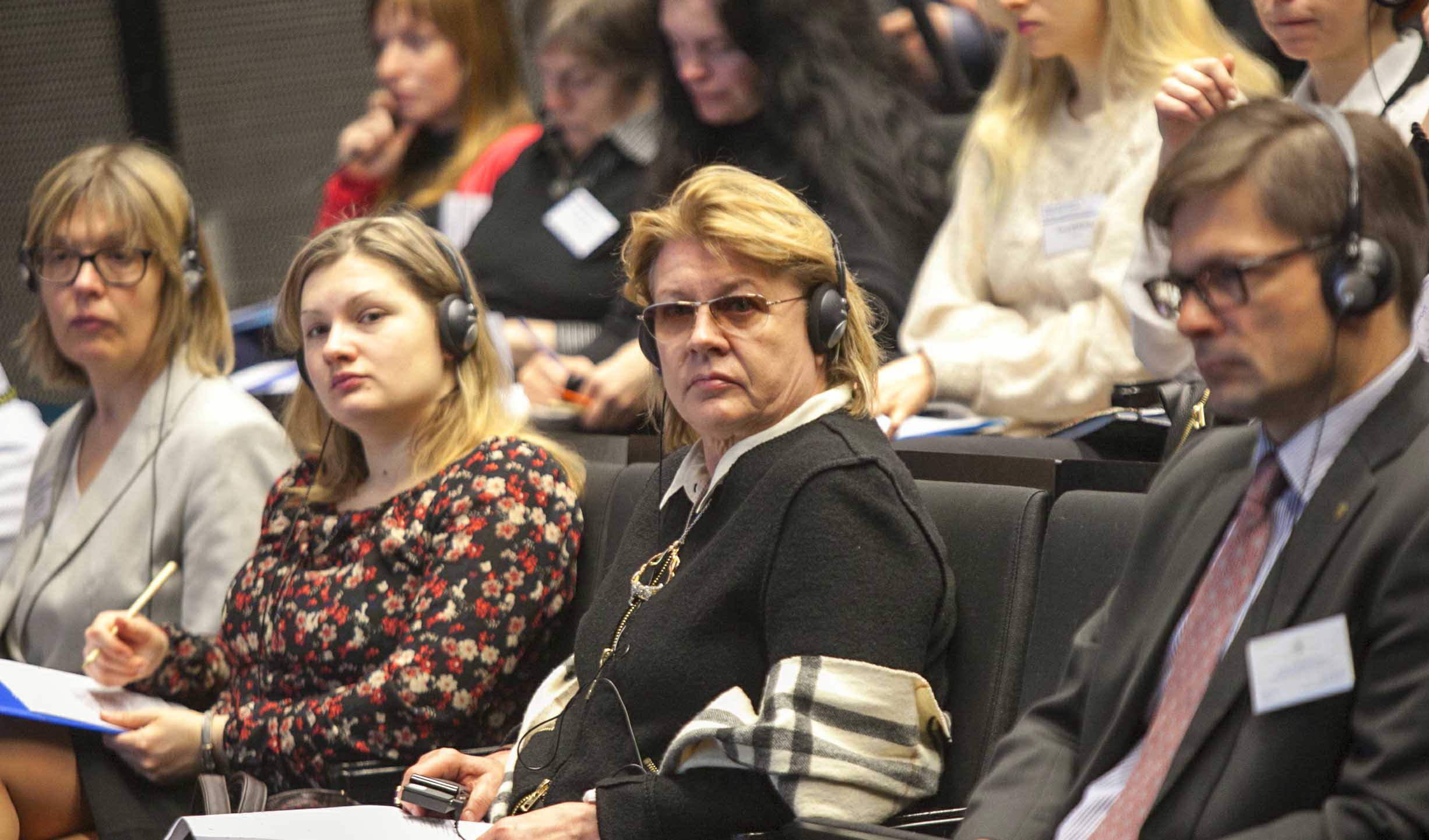
-
A Nordic helping hand to marginalised youths
A large group of youths are not in education, employment or training – so-called NEETs. There is increased focus across Europe on ways to prevent this group of young people from permanently falling outside of the labour market. The Nordic countries have good experiences with finding, motivating and preparing these youths for work.
1 minute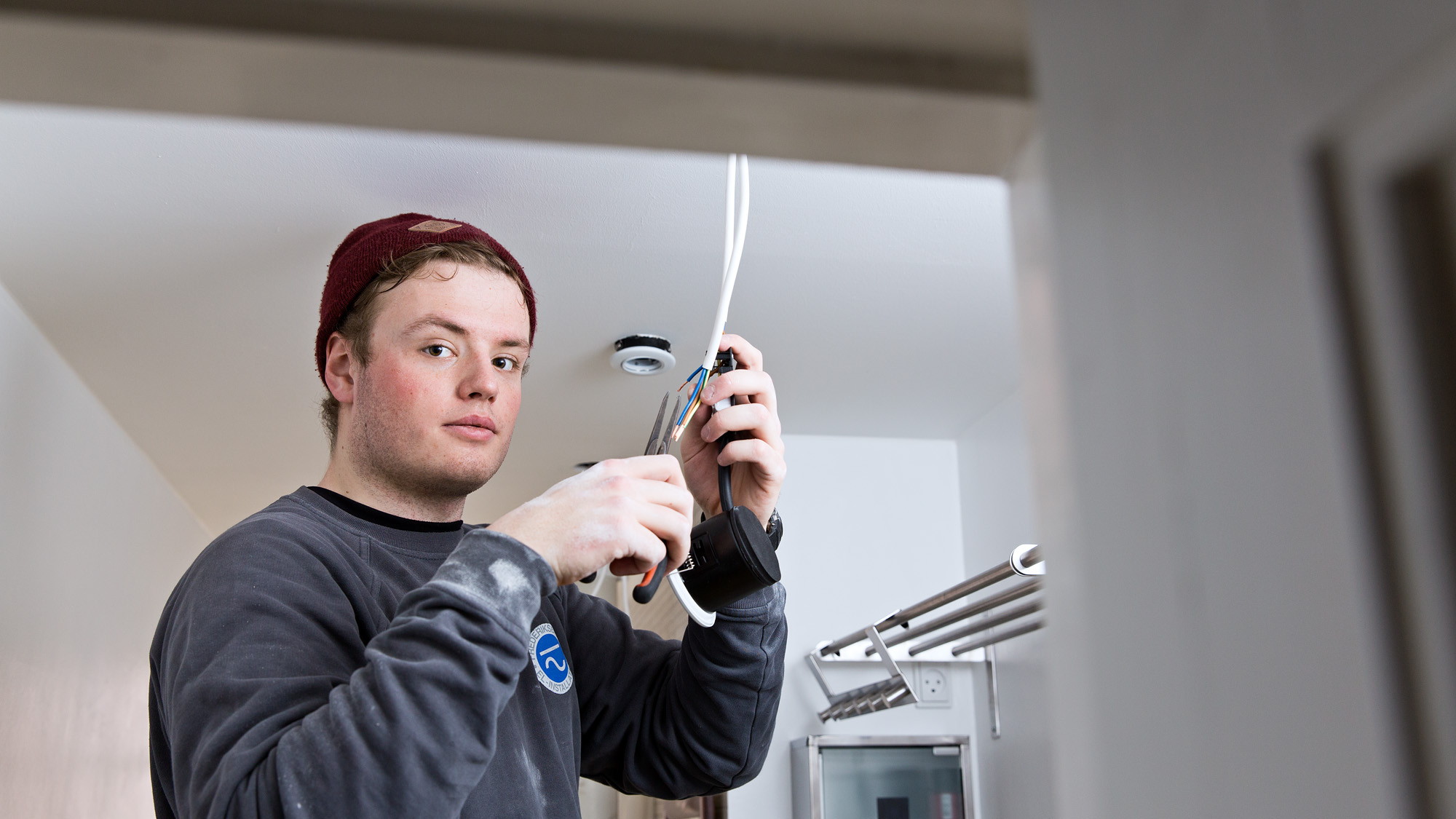
-
An eye for the individual
How do you help young people who are loosing their footing as they enter adulthood? How do you motivate youths who are not in education, employment or training find the right track to their future? These were key questions when the Nordic countries recently discussed how to fight youth unemployment.
2 minutes -
Building bridges to education helps youths move forward
Denmark has had success supporting marginalised youths to make sure they get an education. Mentor support, teaching and help finding apprenticeships makes the difficult transition into studies and work easier.
6 minutes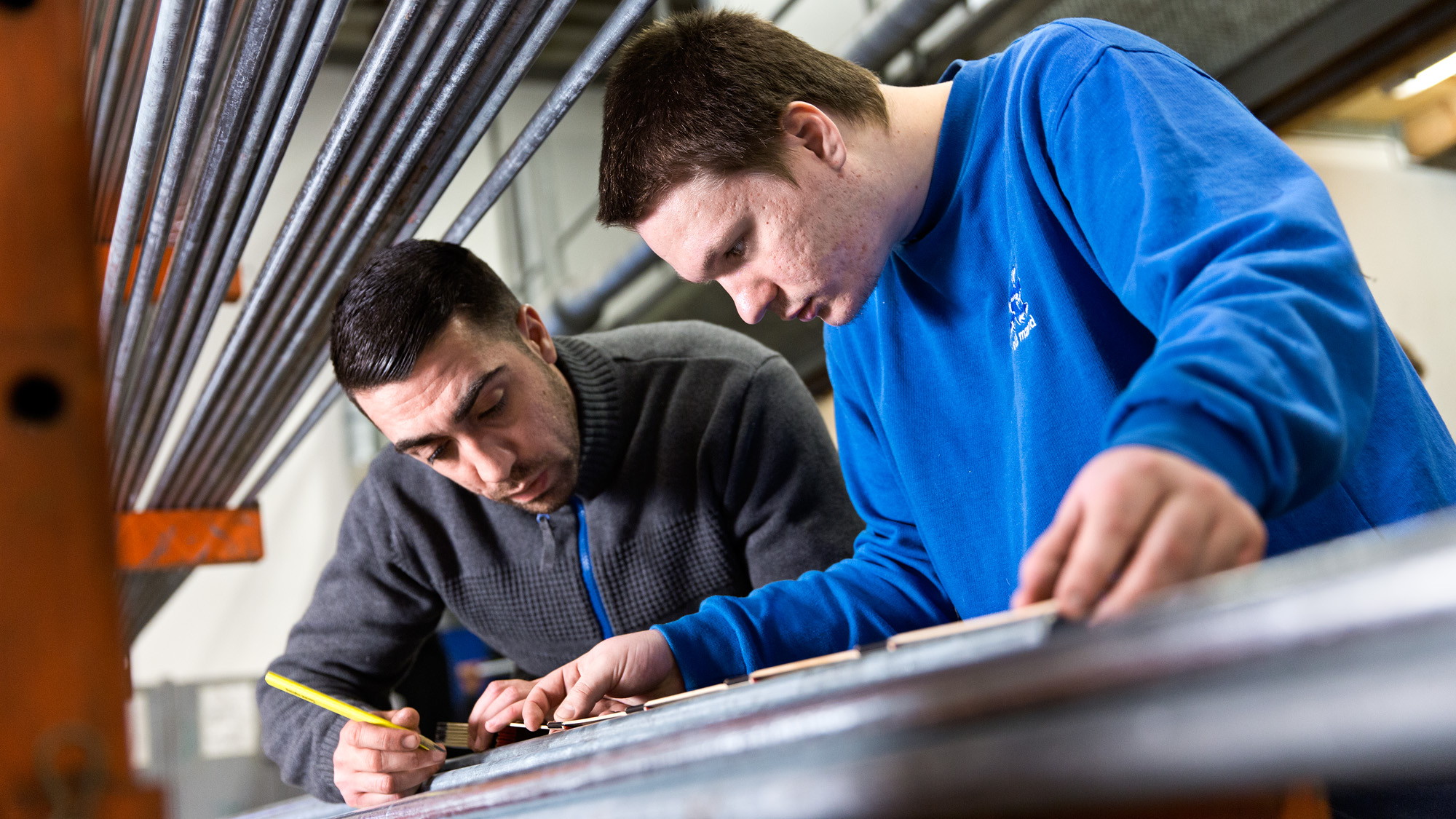
-
A bridge to education across Denmark
The Danish project of building bridges to education for marginalised youths has proved so promising that it is now being rolled out across the whole of Denmark on a permanent basis.
2 minutes -
Motivation key to get marginalised youths into education
Measures aimed at helping young people into jobs and education should support the youths’ own inner motivation. To do that you need to realise that young, marginalised people are very different from each other, says a Danish youth researcher and author of a new book on motivation.
4 minutes -
Finland: Unemployed youths get more attention
Finland’s youth guarantee means young people have become a higher priority within the public sector.
2 minutes -
The Nordics: Failing reforms exclude youths with disabilities
More flexibility does not lead to a more inclusive labour market. Political reforms carried out in the Nordic region in the first decade of the millennium do not have any measurable effects either, concludes the Nordic research group behind the report ‘New Policies to Promote Youth Inclusion’.
6 minutes