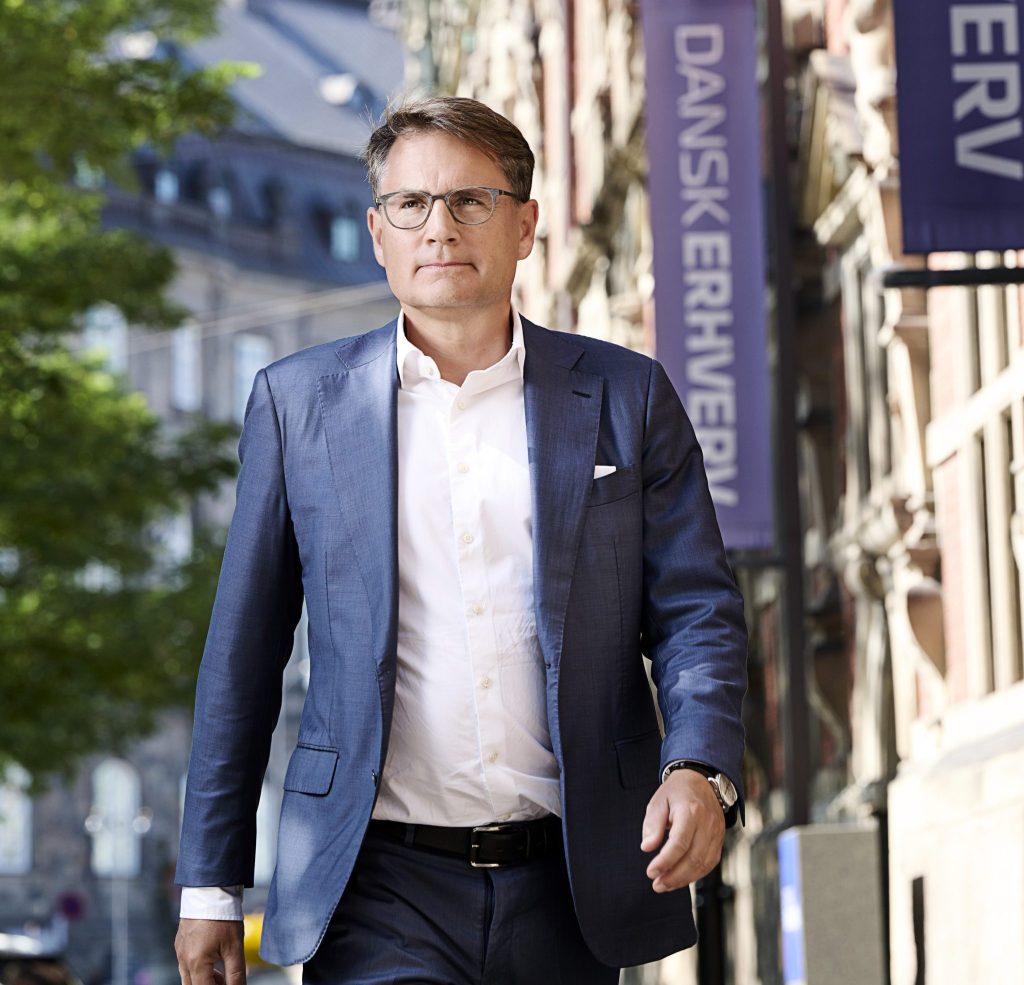
“A winning country in a losing region”. That is how the Danish Chamber of Commerce’s CEO Brian Mikkelsen described Denmark when he presented the latest edition of their competitiveness barometer in 2025.
Read this article in Danish on Arbeidsliv i Norden
In it, only three OECD countries beat Denmark on competitiveness – Switzerland, Ireland and Korea. Measured by attractive labour, one of the barometer’s six parameters.
More about the Danish Chamber of Commerce competitiveness barometer
Compares framework conditions across six categories:
- Education
- Labour force
- Knowledge and research
- Taxation
- Transport and digitalisation
- The single market and trade
Most indicators are drawn from internationally recognised competitiveness rankings, including IMD’s Global Competitiveness Ranking and the European Commission.
Denmark also ranks fourth in the OECD in their ability to attack and retain workers, with Iceland, Norway and Sweden close behind.
But Denmark’s and other Nordic countries’ strong competitiveness is not at all enough, however, from a European perspective, believes the Danish Chamber of Commerce.
“It is poor consolation to be the winning nation in a losing region. Europe is facing a decisive moment. History is being written and as Europeans we risk ending up like a prehistoric museum,” Brian Mikkelsen said earlier.
A Nordic report on the way
The EU Commission’s so-called Draghi report points out that Europe’s competitiveness is being challenged. In that context, the Danish Presidency of the Nordic Council of Ministers together with the Council has decided to commission a report on Nordic competitiveness.
This will also be the theme during the Presidency and the Council of Ministers’ annual vision conference in the autumn of 2026.
The report is intended to increase knowledge of Nordic strengths and development opportunities that can help realised the vision governing the Nordic cooperation – for the Nordic region to become the world’s most competitive and green region by 2030.
The Danish Presidency will highlight how robust Nordic economies are a prerequisite for ensuring the necessary fiscal space to invest in new and green technology, among other things.
Attractive labour
Businesses having access to attractive labour is central to competitiveness. The Danish Chamber of Commerce’s competitiveness barometer divides labour issues into the following elements:
- Attracting highly educated foreign labour
- Long-term growth in the workforce
- Ease of hiring foreign labour
- Taxation of labour
- Companies prioritising attracting and retaining talent
Companies prioritising attracting and retaining talent
Denmark is in the top five in the OECD for talent development, access to skilled labour and the country’s ability to attract highly educated workers from abroad.
27-year-old Benedetta Tomasina is one of many highly educated people who have moved to Denmark to work. She born and grew up in Milan, where she also got her architecture degree.
Now, she lives and works in Copenhagen and wants to continue to do so.
“I have a much better working life here in Denmark where there is a far better work-life balance than in Italy. There, my working days were so long that I could only work, eat and sleep,” she says.
Strong Danish work culture
Benedetta Tomasina works for a large Italian company that produces and sells ceramic tiles and slabs. Her job title is “promoter” and she spends part of her time to raise awareness of the company’s products among Danish architects and designers.
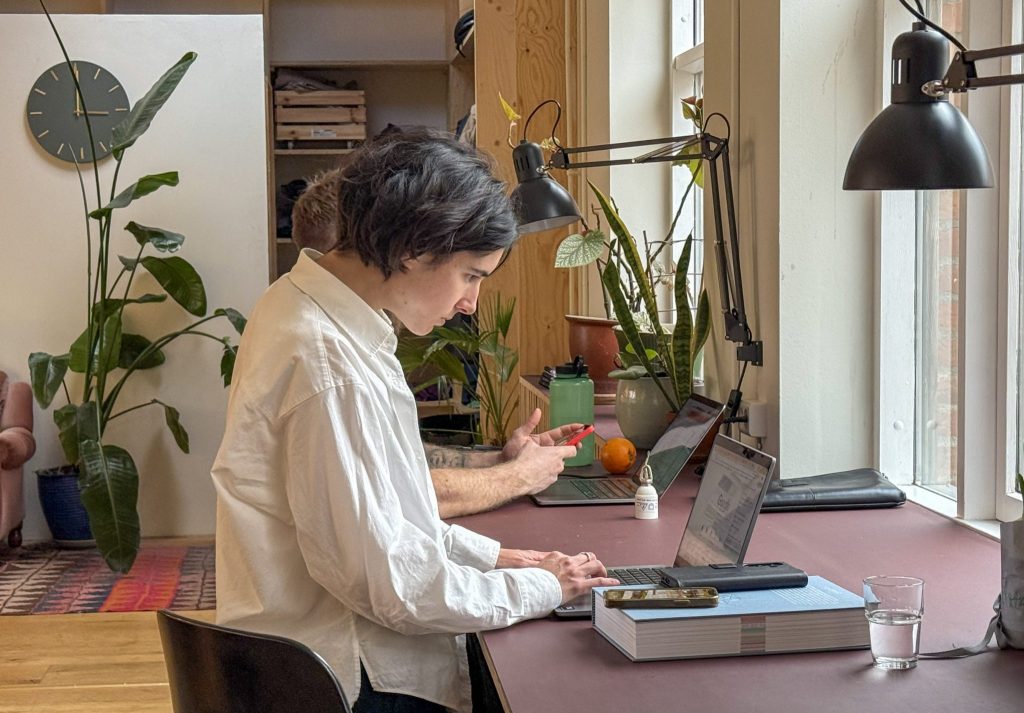
As an Italian citizen, it was easy for her to move to Denmark, and during her studies, Benedetta Tomasina quickly secured an internship with an company in Denmark. She thrives in the Danish work culture which she finds far more open and trust-based than in Italy.
When she also found a Danish boyfriend, she chose to move to Denmark to apply for jobs when she finished her master’s degree in architecture.
Work via a network
Finding a job in Denmark as a trained architect would prove to be much harder than Benedetta Tomasina had thought, however.
She was unemployed for one-and-a-half years, despite applying for hundreds of jobs and learning Danish after two years of language courses.
There is a lack of highly educated labour in many sectors in Denmark, but the architecture sector is highly sought after and extremely difficult to enter, she discovered.
She found her current job via a network. The uncle of Benedetta Tomasinas boyfriend went to a trade fair, where he met an Italian woman, who appeared to be leading the Danish branch of and Italian company.
“The uncle mentioned, that Benedetta Tomasina was looking for a job in Denmark and the woman gave him her business card and later, Benedetta Tomasina called the woman – who is now her boss.