Labour Market
- Gender Equality
- Green Transition
- International
- Labour Law
- Labour Market
- Nordic Model
- Research & Progress
- Work Environment
-
Poul Nielson: Introduce mandatory adult education and further training in the Nordics
The five Nordic countries should make adult education and further training a mandatory element of the labour market, and introduce real cooperation on migration. These are central issues to secure the Nordic labour market model for future years, recommends a new report from the Nordic Council of Ministers.
7 minutes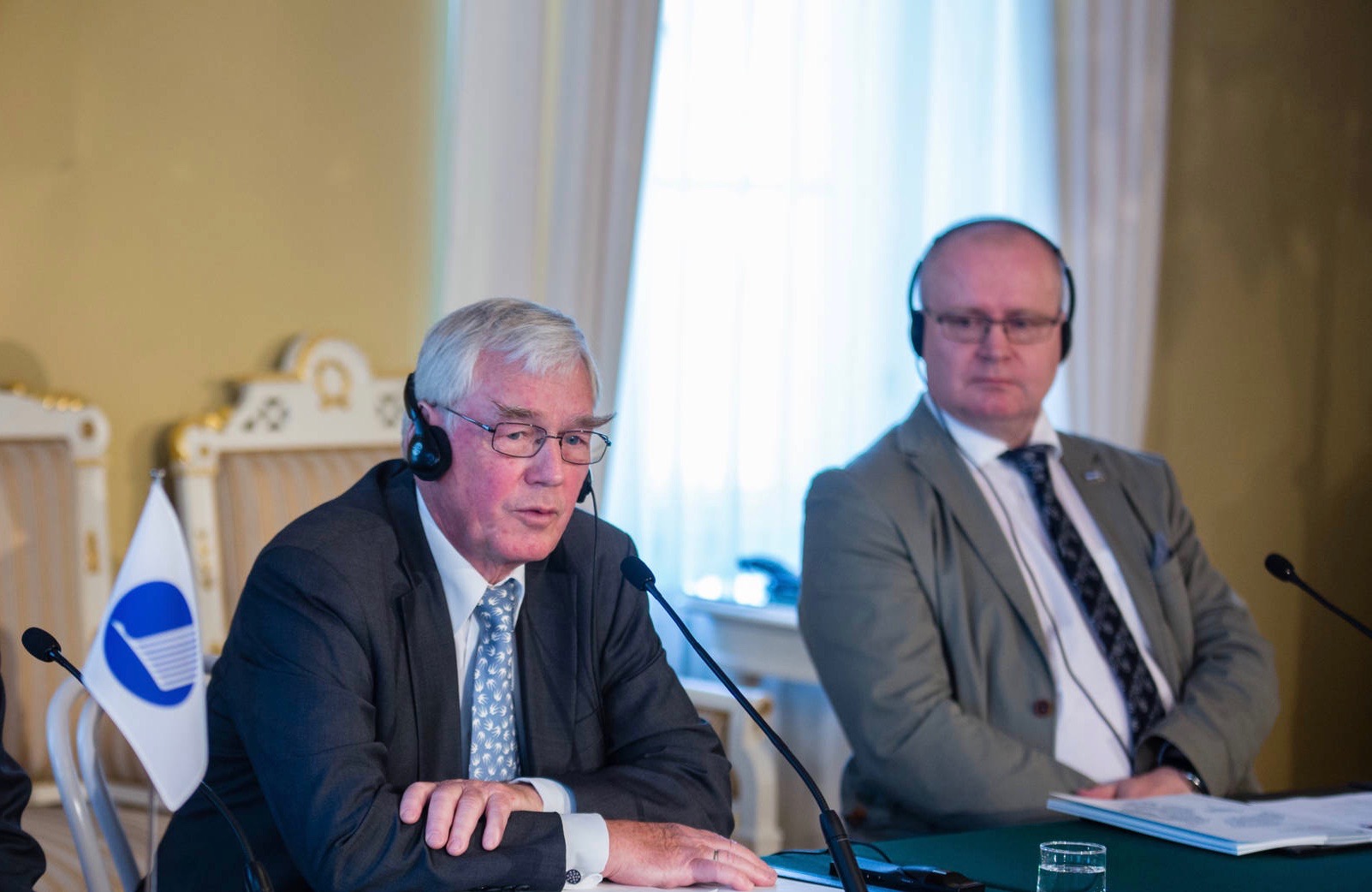
-
Åland’s Premier Katrin Sjögren: Multi-talented law maker
The Liberal Katrin Sjögren has been the head of Åland’s autonomous government since November last year, and the challenges are queuing up. Cuts are needed everywhere, Åland’s largest factory is threatened with closure and a high profile wind power project looks set to get blown away.
8 minutes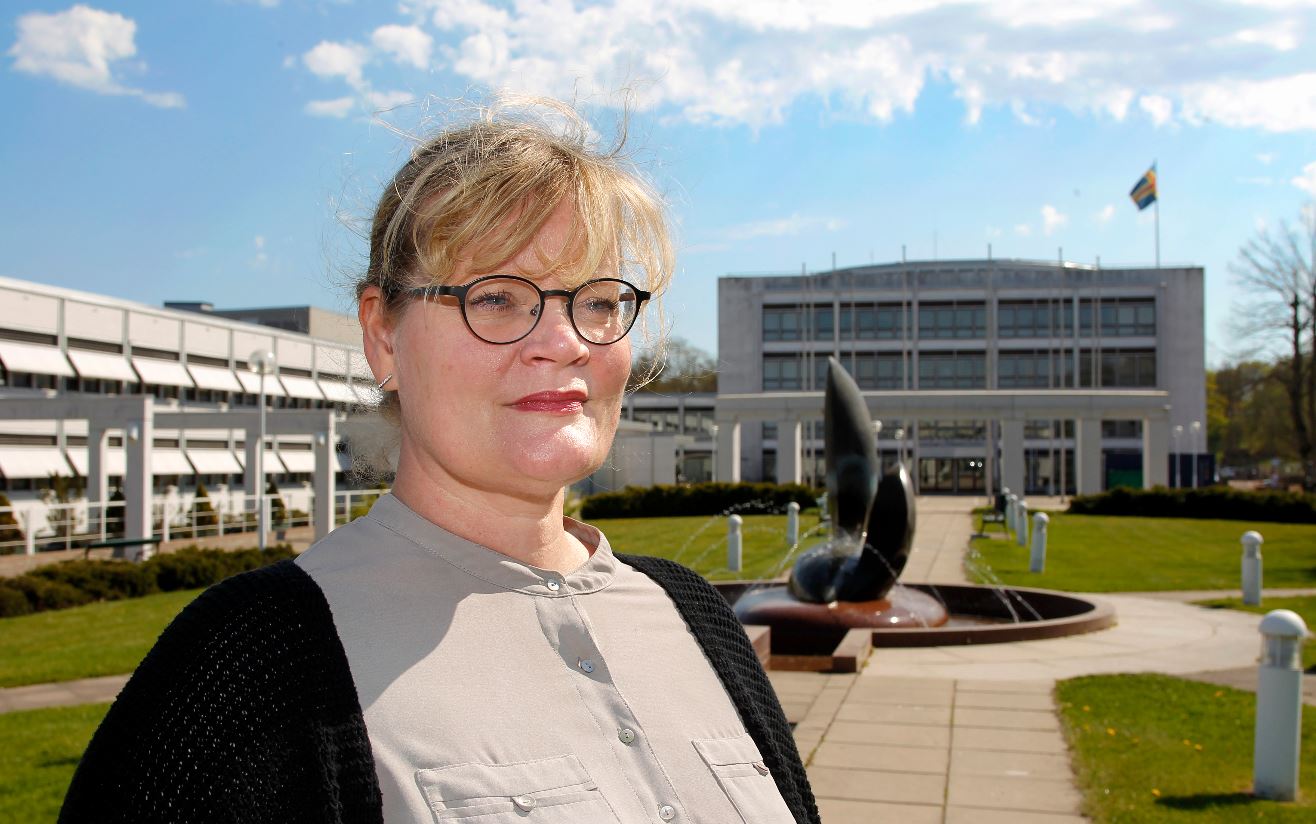
-
Dear readers
We are very pleased to be able to present a completely redesigned Nordic Labour Journal, presenting the content in a new way and in new colours. You can now easily enjoy the Nordic Labour Journal on any size screen, whether you prefer to read it on your mobile, tablet or computer.
3 minutes -
Danish businesses to train refugees for jobs
Less than one in three refugees in Denmark finds work after three years. Now the government and the social partners want to change this by introducing a two year integration education programme in the workplace.
4 minutes -
Finland’s basic income experiment attracts interest
Finland’s planned empirical experiment with a universal basic income has attracted a lot of international interest before it has even started. An expert group has now presented its first preliminary report of how some social benefits could be replaced by a universal basic income. It will present a more comprehensive report towards the end of…
3 minutes -
When the welfare state falls short: Is social entrepreneurship the solution?
Social entrepreneurship and social innovation could help develop the Nordic welfare models, says Norway’s Minister of Labour and Social Inclusion Anniken Hauglie. These are issues she would like to promote when Norway takes on the presidency of the Nordic Council of Ministers in 2017.
9 minutes
-
Carola Lemne: Optimist on behalf of Swedish businesses
Carola Lemne is first among equals at The Confederation of Swedish Enterprise and spokeswoman for 60,000 small and large companies. Her recipe for better inclusion of newly arrived people into work is cutting costs for employers. Lower pay and lower tax leave both employers and employees better off.
13 minutes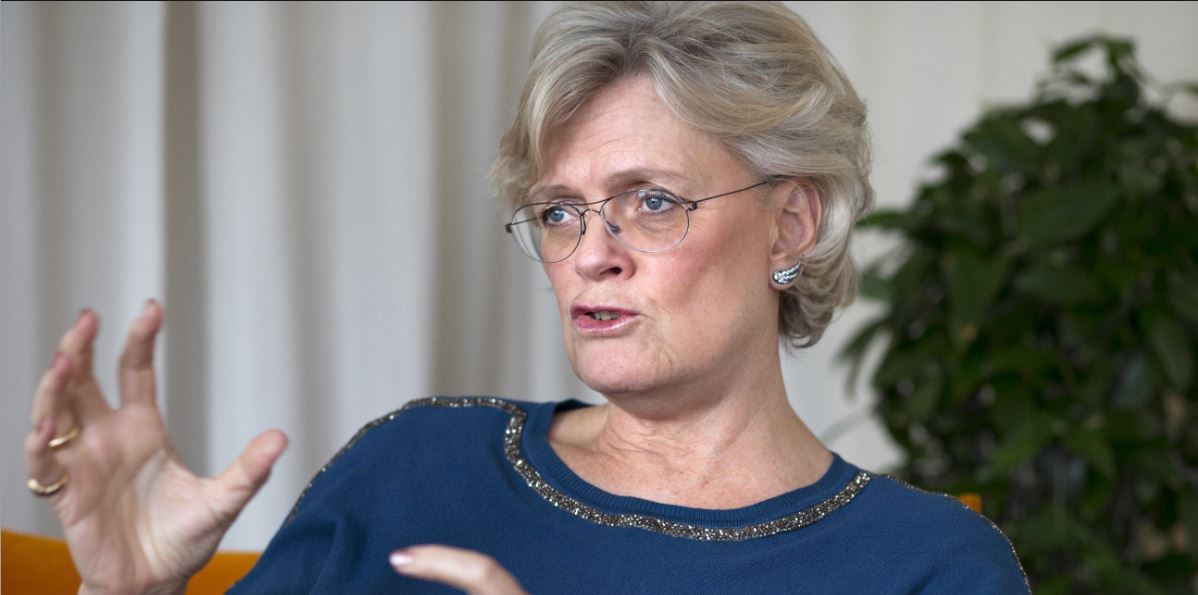
-
Finland’s changing labour market
Finland is struggling to emerge from the economic crisis, and it is being felt in the labour market. Only one in ten Finns believe the situation will improve this year. Nearly half of them believe things will get worse, according to a working life barometre from the Finnish Ministry of Employment and the Economy.
2 minutes -
Art, culture and wellbeing
What if we turned the pyramide upside down and allowed the ministry of culture, rather than the ministry of finance, to be in charge of social development? What would happen if that ministry, which is usually bottom of the hierarchy, could prioritise measures to promote sustainable development? Would it make a difference?
5 minutes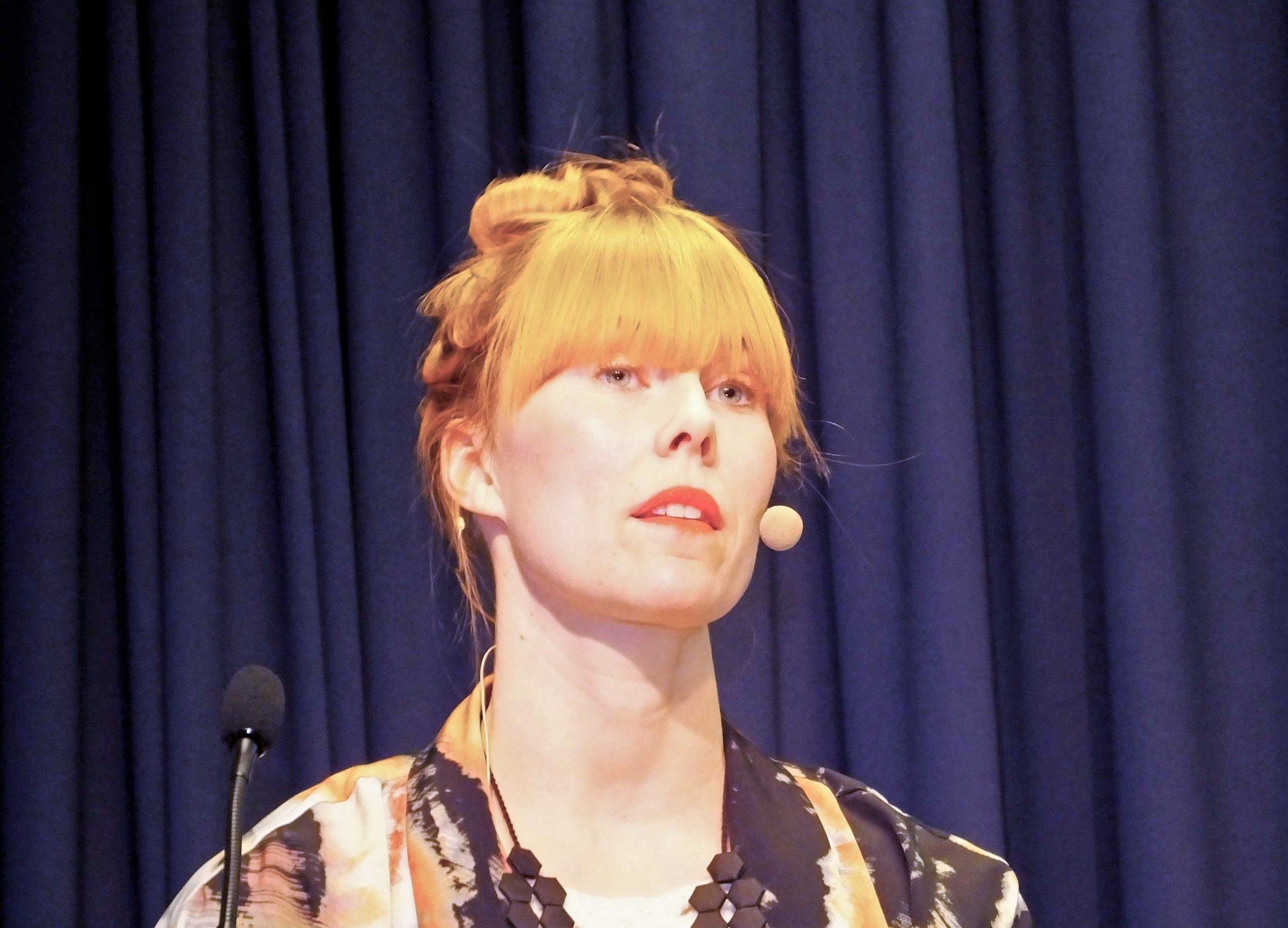
-
Opening the labour market for vulnerable citizens
One hour’s work a week is better than nothing. That is the thinking behind the major drive in recent years to get vulnerable Danes into the labour market. New research shows businesses are ready to create small jobs for vulnerable groups.
4 minutes