Labour Market
- Gender Equality
- Green Transition
- International
- Labour Law
- Labour Market
- Nordic Model
- Research & Progress
- Work Environment
-
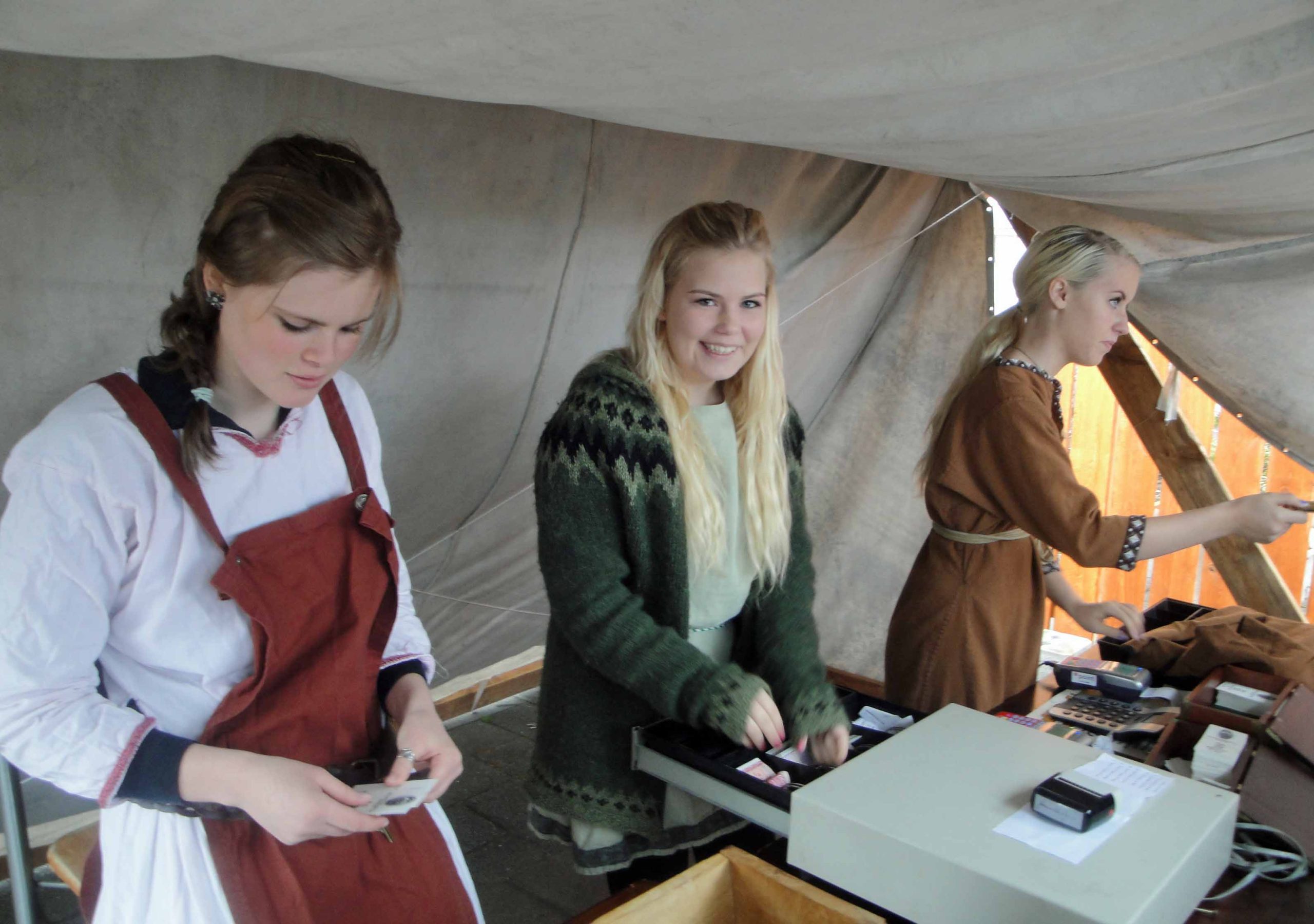
PIAAC researchers in Finland and Estonia: Continuity is key
There are no shortcuts for creating a foundation for the skills needed in working life. It is a time consuming process. Finland’s good results in international surveys stem from a 1970s school reform. The results are now at risk due to cuts and readjustments. Estonia, meanwhile, is catching up with the Nordic countries.
4 minutes -
Basic skills – use them or lose them
The results from the first ever Nordic PIAAC report are both exciting and frightening. It shows a surprising number of people have such poor basic skills that it affects their chances in working and public life, and it does not improve with age either.
2 minutes -
Nordics: Surprisingly many struggle with literacy and numeracy
The challenge facing politicians is helping two million adults who lack the necessary skills for working and social life to secure a chance to develop, says Anders Rosdahl. He is a senior research fellow at the Danish National Centre for Social Research, and the Danish representative in the network which has just presented the Nordic…
7 minutes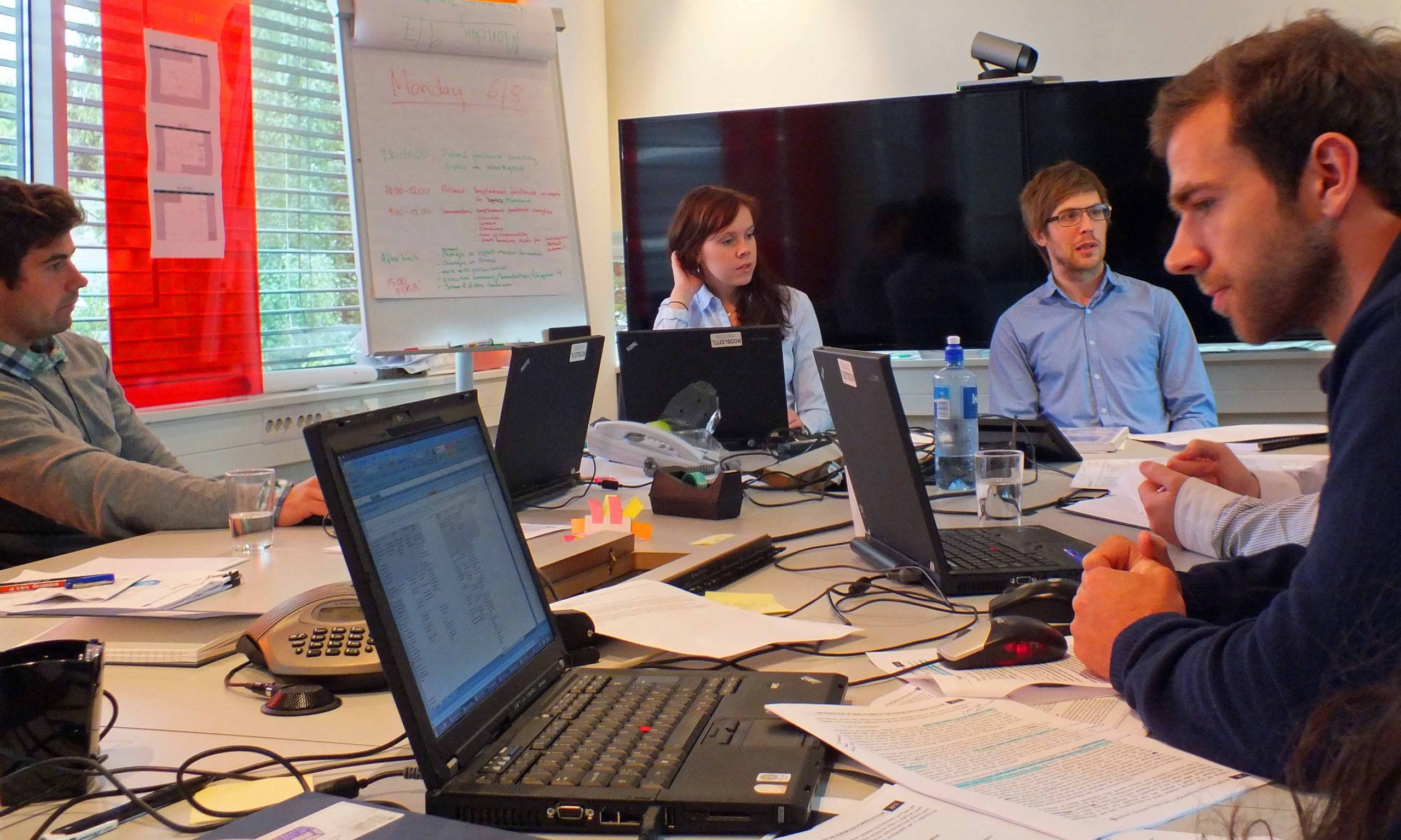
-
A Nordic helping hand to marginalised youths
A large group of youths are not in education, employment or training – so-called NEETs. There is increased focus across Europe on ways to prevent this group of young people from permanently falling outside of the labour market. The Nordic countries have good experiences with finding, motivating and preparing these youths for work.
1 minute
-
An eye for the individual
How do you help young people who are loosing their footing as they enter adulthood? How do you motivate youths who are not in education, employment or training find the right track to their future? These were key questions when the Nordic countries recently discussed how to fight youth unemployment.
2 minutes -
Building bridges to education helps youths move forward
Denmark has had success supporting marginalised youths to make sure they get an education. Mentor support, teaching and help finding apprenticeships makes the difficult transition into studies and work easier.
6 minutes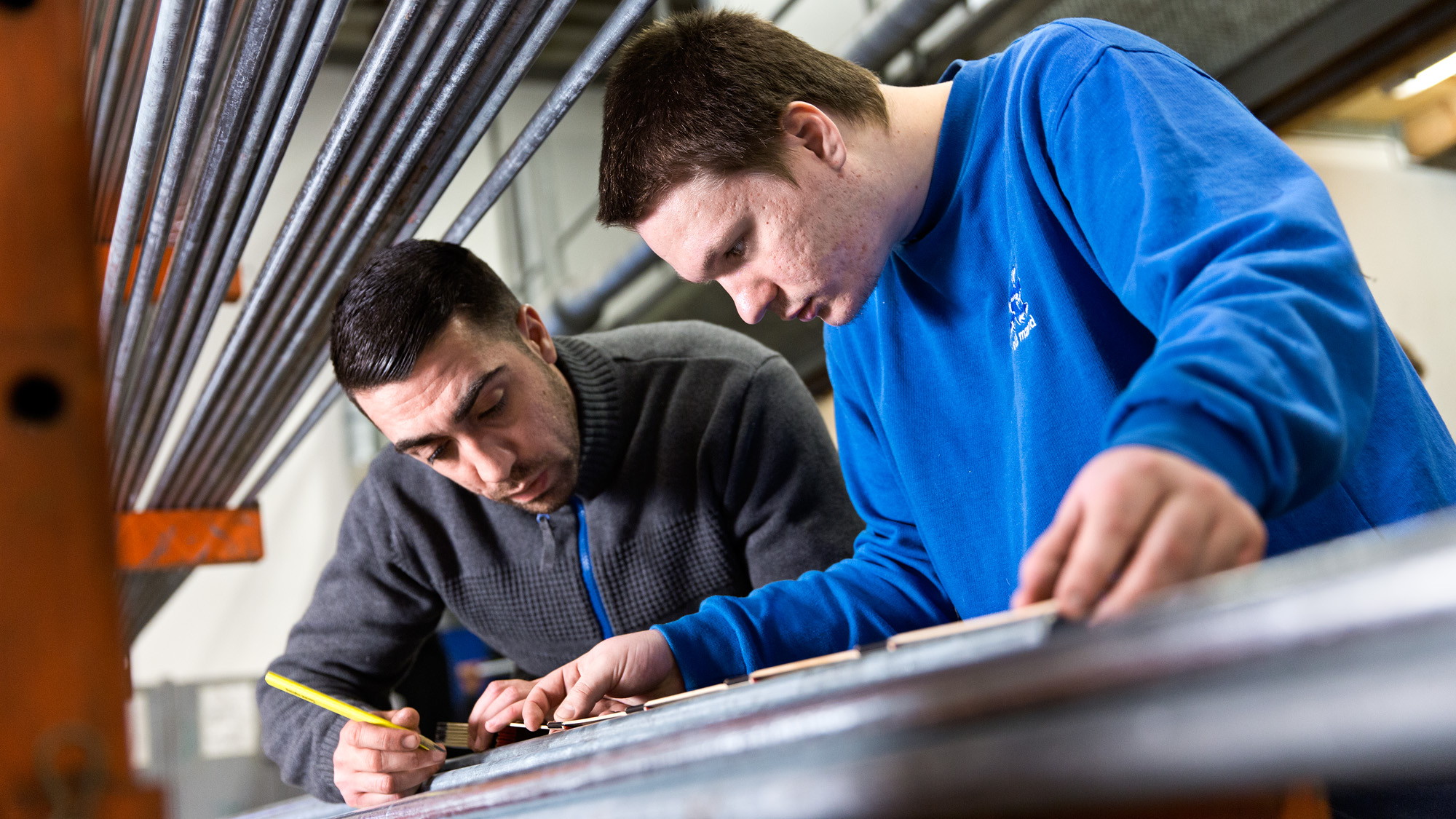
-
A bridge to education across Denmark
The Danish project of building bridges to education for marginalised youths has proved so promising that it is now being rolled out across the whole of Denmark on a permanent basis.
2 minutes -
Motivation key to get marginalised youths into education
Measures aimed at helping young people into jobs and education should support the youths’ own inner motivation. To do that you need to realise that young, marginalised people are very different from each other, says a Danish youth researcher and author of a new book on motivation.
4 minutes -
New concept at Sweden’s employment service gains young people’s trust
Good treatment and rapid measures targeted at the needs of young unemployed people, good coordination between municipalities and the public employment service — a proven way of achieving progress. The concept was developed in the project ‘Unga in’ and is carried forward in UNGKOMP.
8 minutes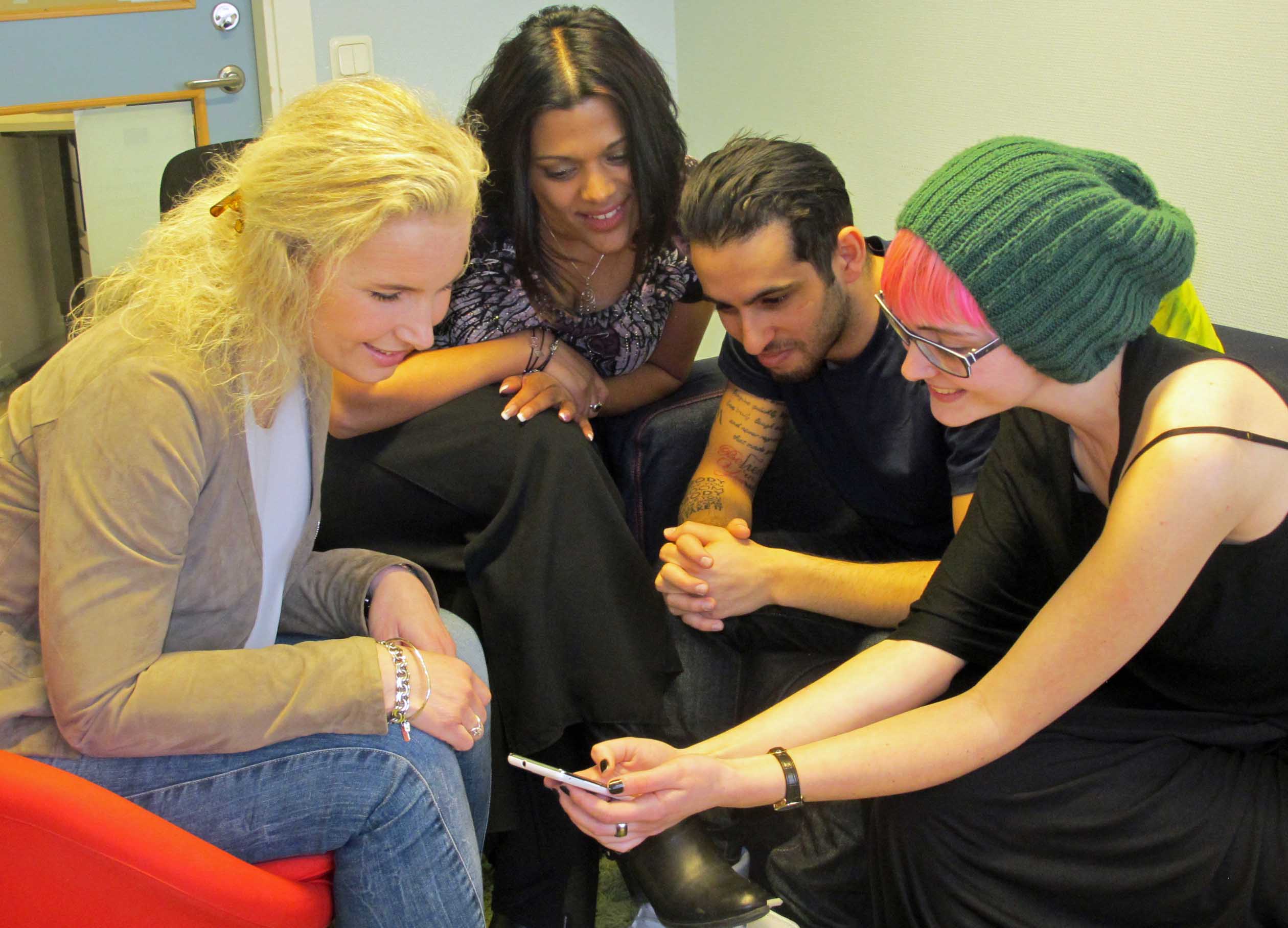
-
Iceland’s Starfatorgið: 50 percent found jobs or started studying
The financial crisis was tough on young Icelanders. Many were unemployed for so long that they no longer qualified for unemployment benefit, only welfare money. Between 2012 and 2014 they were sent to Starfatorgið (‘the labour exchange’). Over half of the young people participating in Starfatorgið got a job or started studying.
3 minutes