International
- Gender Equality
- Green Transition
- International
- Labour Law
- Labour Market
- Nordic Model
- Research & Progress
- Work Environment
-
OECD: The crisis is over, but collective bargaining is needed for wage growth
For the first time, more people are now in work in OECD countries than before the 2008 economic crisis. But the increased employment rate has not led to higher wages. The OECD says collective bargaining represents one of the most important tools for increasing living standards.
4 minutes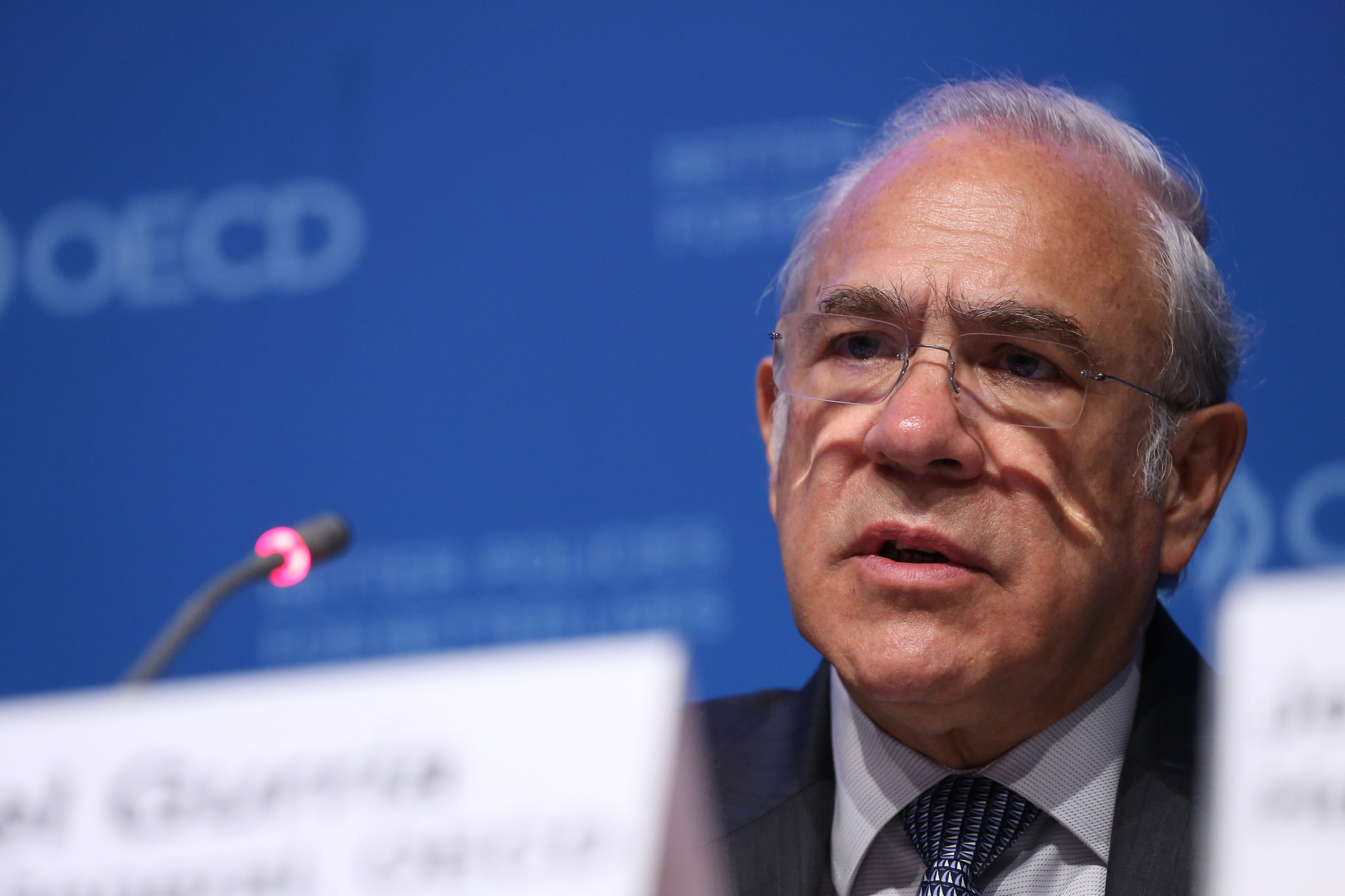
-
Skills and fair distribution a precondition for digitalisation
Nordic people are keen to adopt new technology at work. The region is leading the way. The challenge is making sure workers get the chance to adapt to new skills, how to organise skills development and who should pay. We need better systems to handle the challenges, said Ylva Johansson at the recent conference on…
7 minutes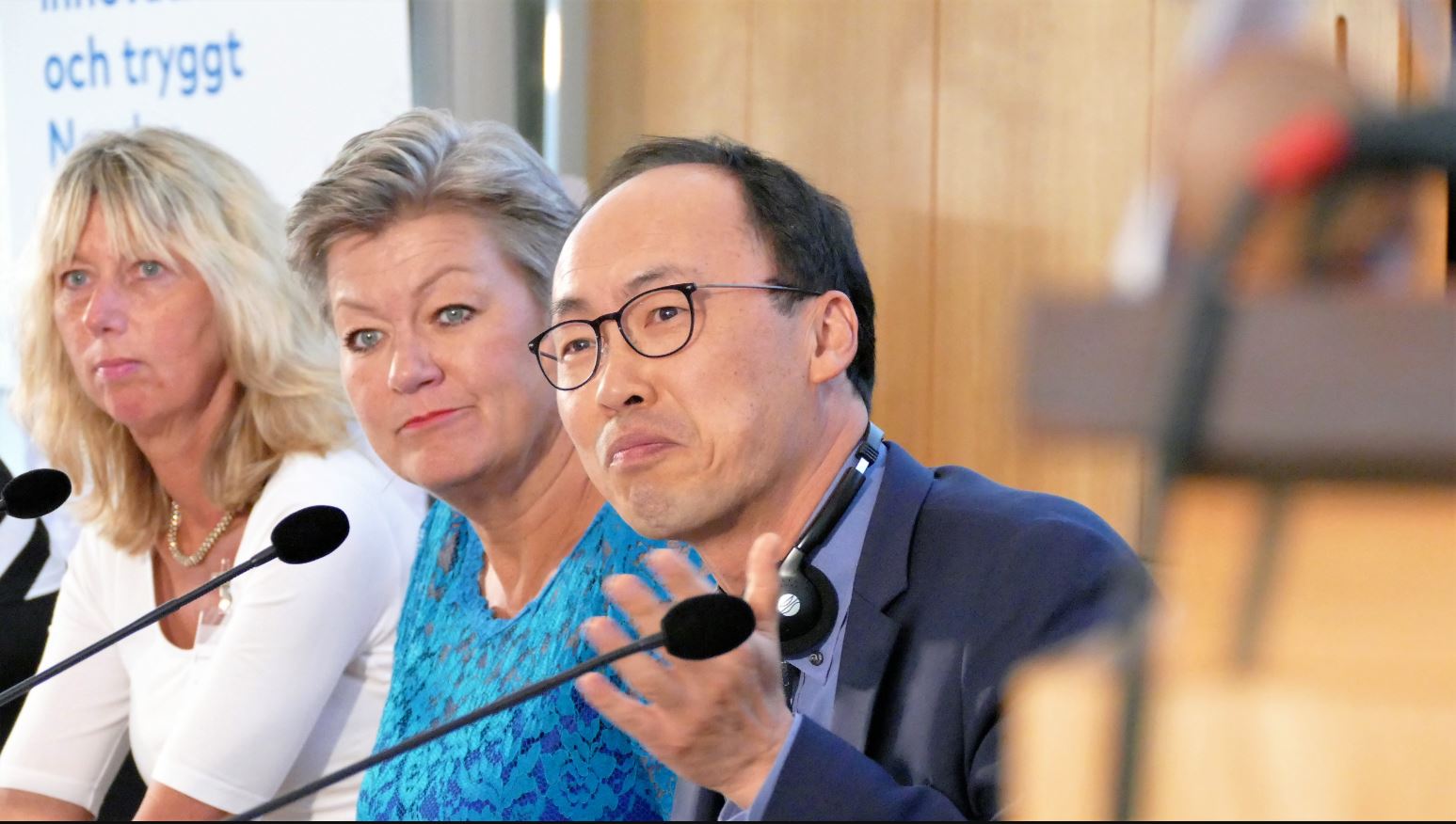
-
Newly arrived immigrant women – more than a labour market project?
682,948 non-western immigrants arrived in the Nordic region between 2010 and 2015. The aim is to integrate as many of them as possible into the labour market. The challenge is greatest for female refugees, who often face discrimination in their native countries and again risk being discriminated against in their new home country.
7 minutes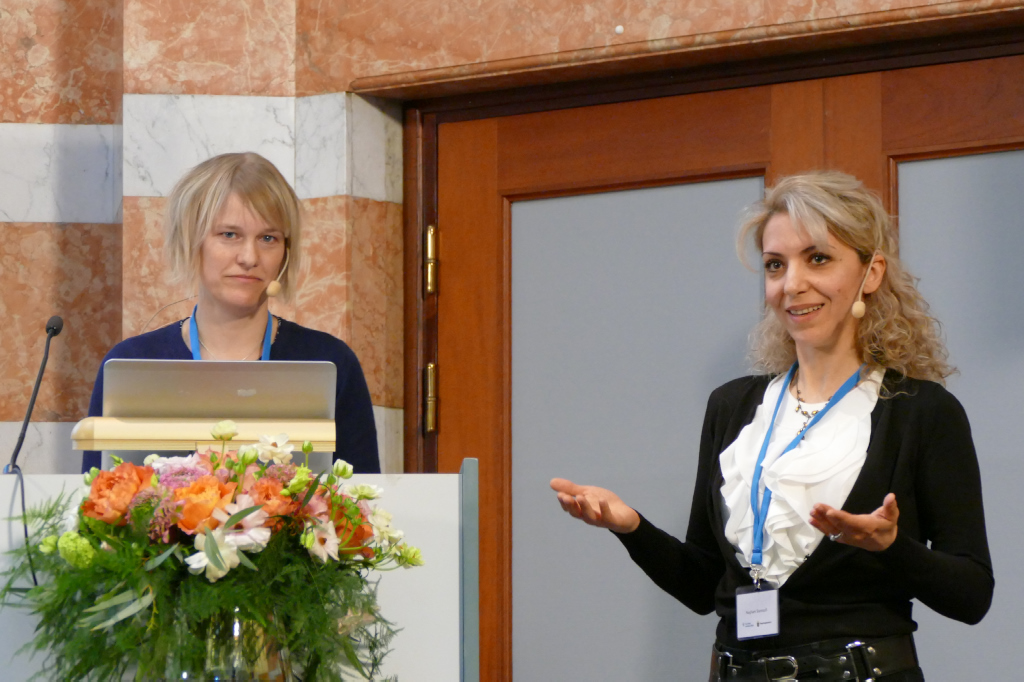
-
OECD: More flexibility needed to get female refugees into work
There is a need for more flexible measures to integrate newly arrived refugee women in the Nordic region, according to the OECD. Research shows that after years of fleeing, birth rates increase dramatically. When women feel safe, they have children – but that also makes it difficult for them to benefit from labour market introduction…
3 minutes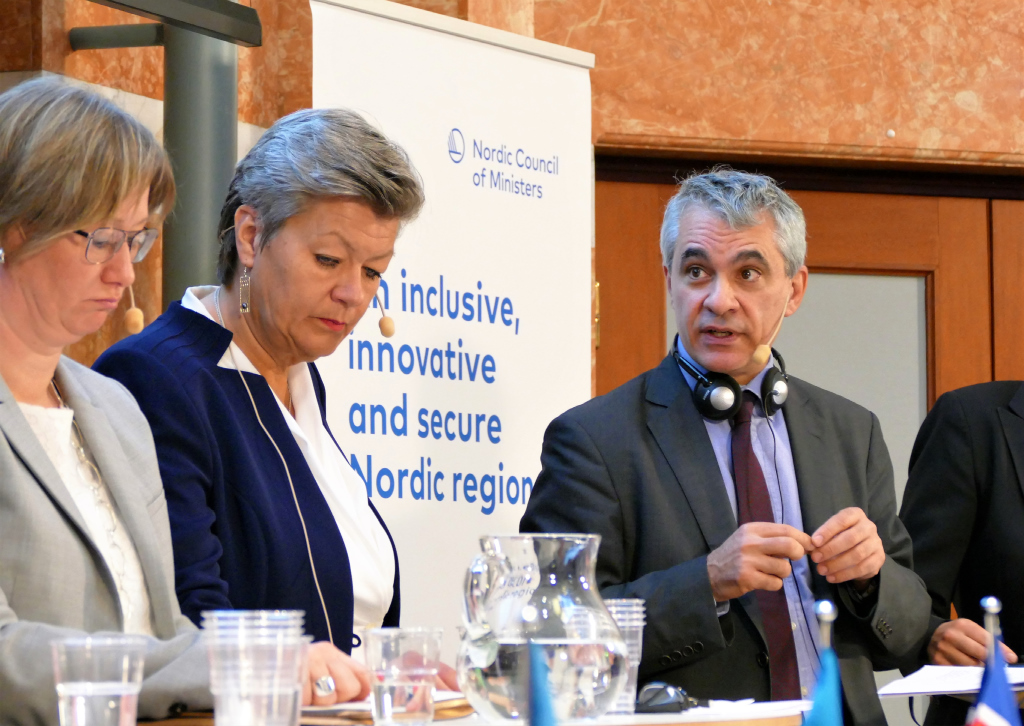
-
Nordic focus on getting more newly arrived women into work
To succeed in getting more newly arrived women into work, the Nordic countries need more employment measures, an increased focus on childcare and documented results from measures, according to a new study.
6 minutes
-
Project Mirjam tackles prejudices about and in the Swedish labour market
Project Mirjam targets women with low levels of education who have been granted asylum or residency in Sweden. It is considerably harder for them to find work compared to men in a similar situation, but guidance focused on work and gender equality produces results.
9 minutes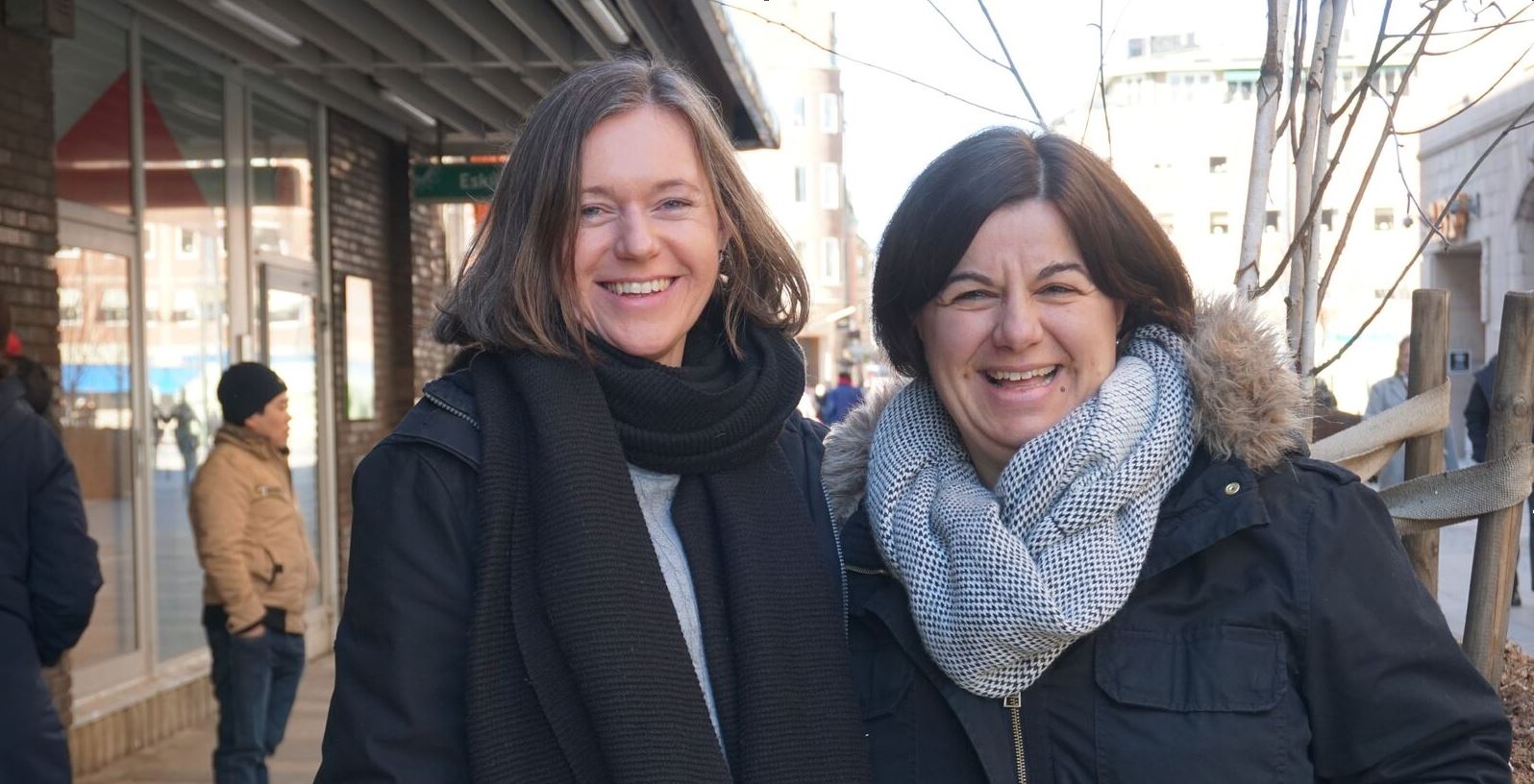
-
Blueye Robotics: The people’s underwater drone bringing knowledge about our oceans
“Something happened to me when I went from collecting shells on the beach to finding more and more plastic and rubbish,” says Christine Spiten. She is one of four entrepreneurs who set up Blueye Robotics in 2015.
9 minutes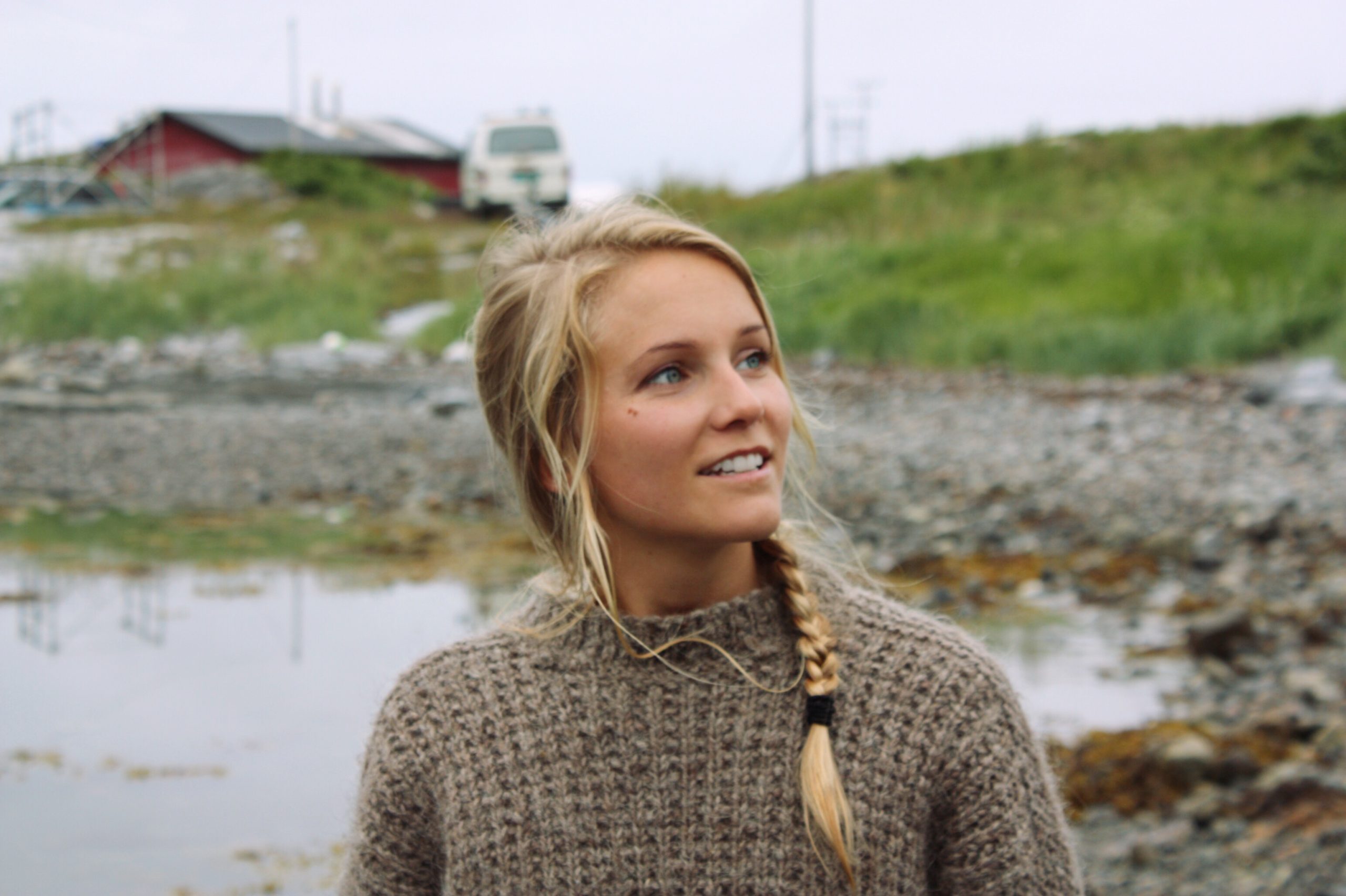
-
The inequality pain threshold has been reached
The inequality pain threshold has been reached. The OECD now wants the world to think again about what the term economic growth should entail.
3 minutes -
Challenging globalisation’s winners: The OECD wants to bridge the divides
The OECD’s Stefano Scarpetta calls the new narrative a paradigm shift. We must change the ideas which have created an increasing gap between rich and poor, says Secretary-General Angel Gurría: Economic growth is not enough, we need a new vision for inclusive and sustainable development. The social dimension broke through clearly at the OECD Forum…
9 minutes
-
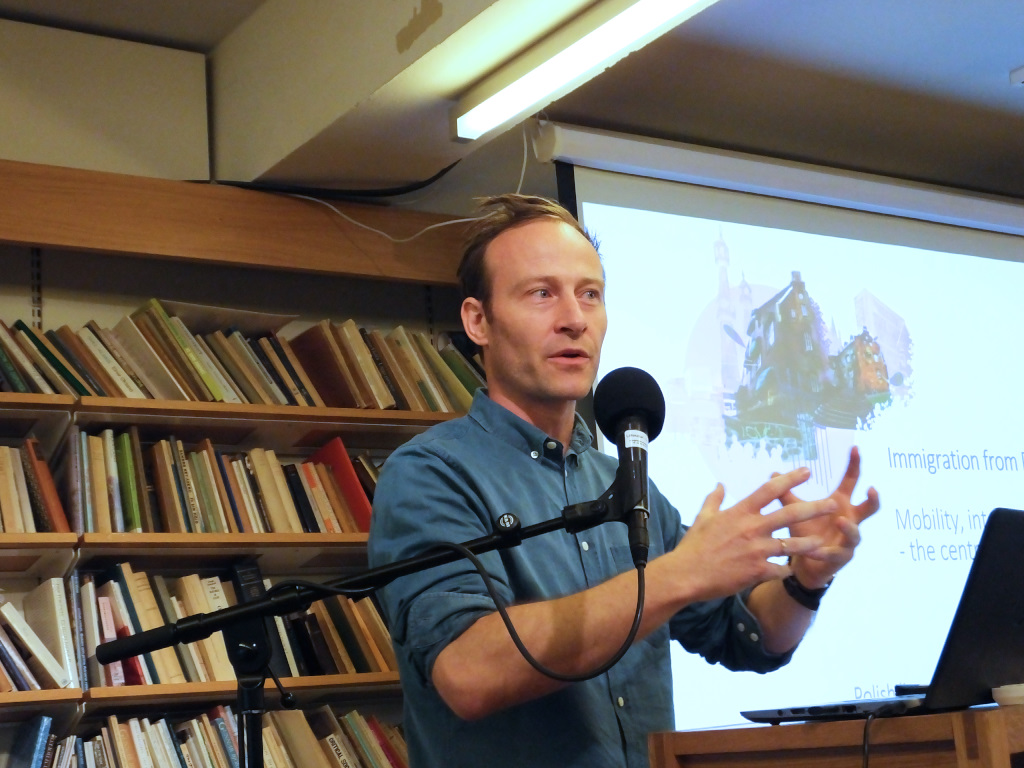
Polish immigrants in Norway – with only one foot in the labour market
Polish labour immigrants travelled to Norway rather than to Sweden or Denmark, which were closer, when Poland joined the EU in 2004. Most did not intend to stay, but after some years their families joined them in Norway. Because of short work contracts, the immigrants are in a kind of limbo. They have a job,…
5 minutes