Theme
-
Municipal Nordics face common challenges
Municipalities across the Nordic region are under pressure from ageing populations, labour shortages and rising costs. The challenge is to deliver quality services in line with residents’ growing expectations, according to the Nordic municipal organisations.
6 minutes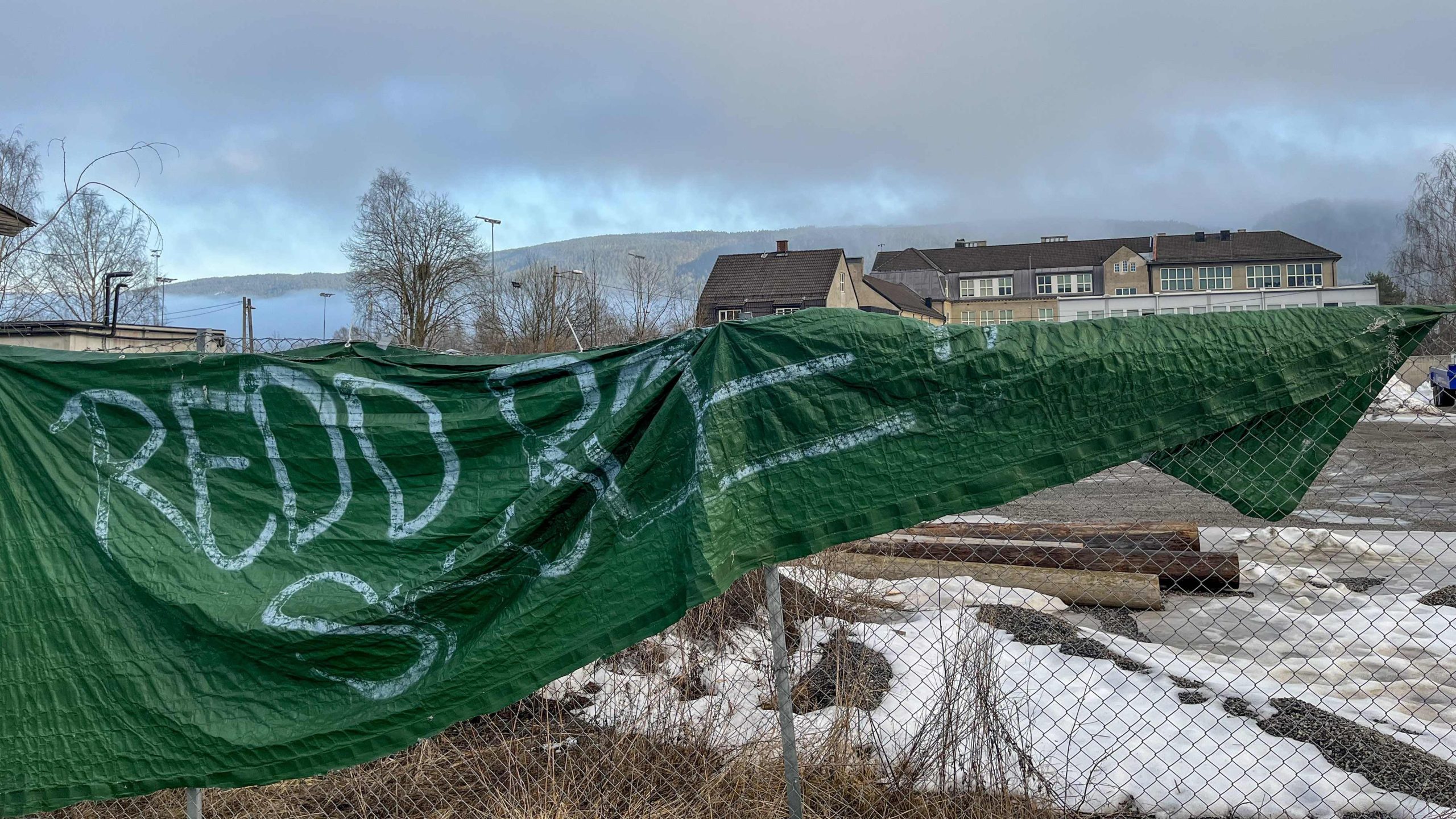
-
Iceland’s municipalities slashed in half in 25 years
Many Icelandic municipalities have merged, particularly since they assumed responsibility for compulsory education in 1996. Although the number of municipalities has been halved since the start of the century, there are still more than ten that have fewer than 250 inhabitants, and some remain unwilling to merge.
5 minutes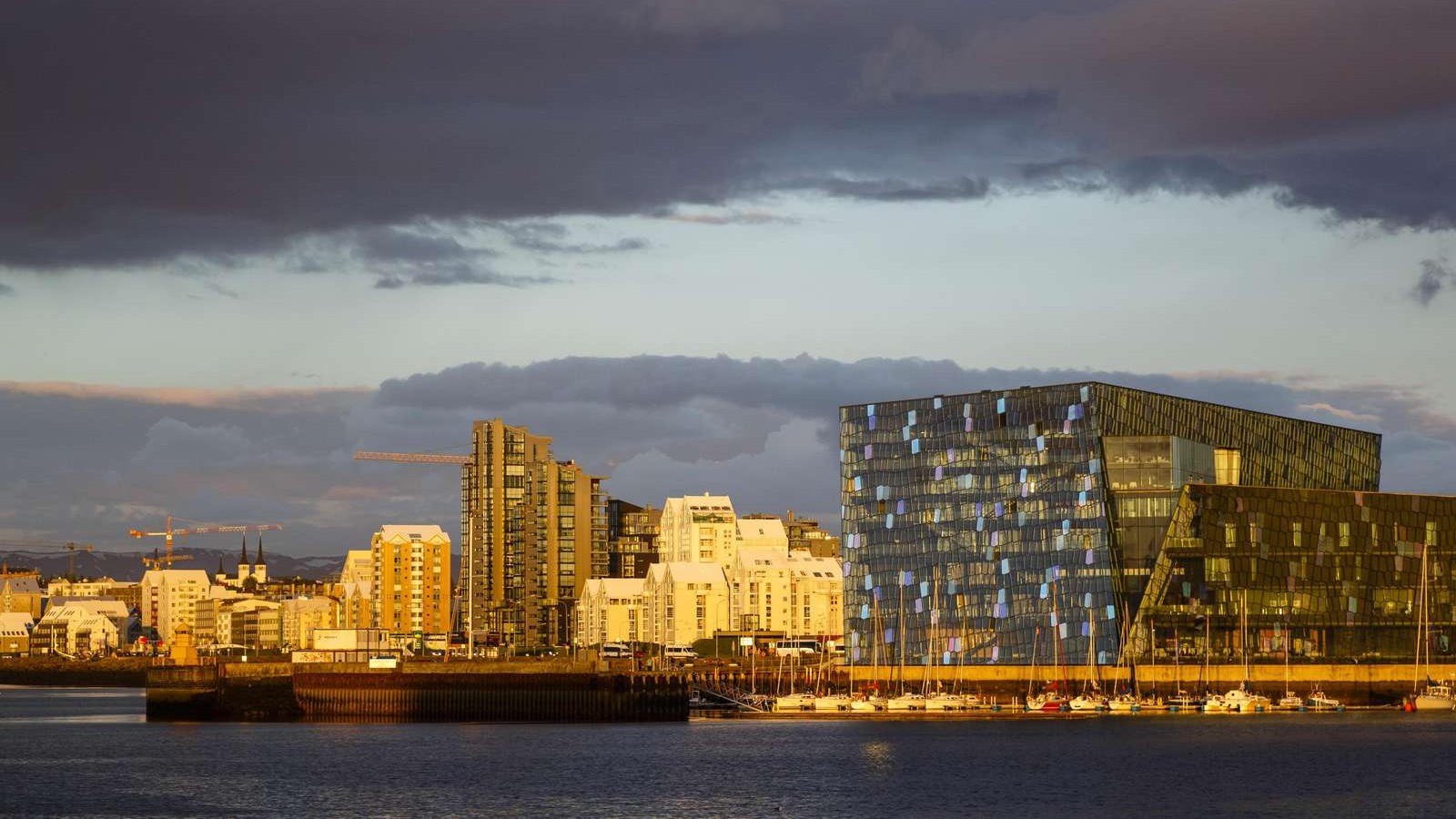
-
The salmon millions keeping a small Norwegian island society alive
Millions of kroner from the fish farming sector contribute to the community and activities in Frøya – from carnival and language cafés to the downpayment of municipal debts. But with most eggs in one basket, the municipality is vulnerable.
6 minutes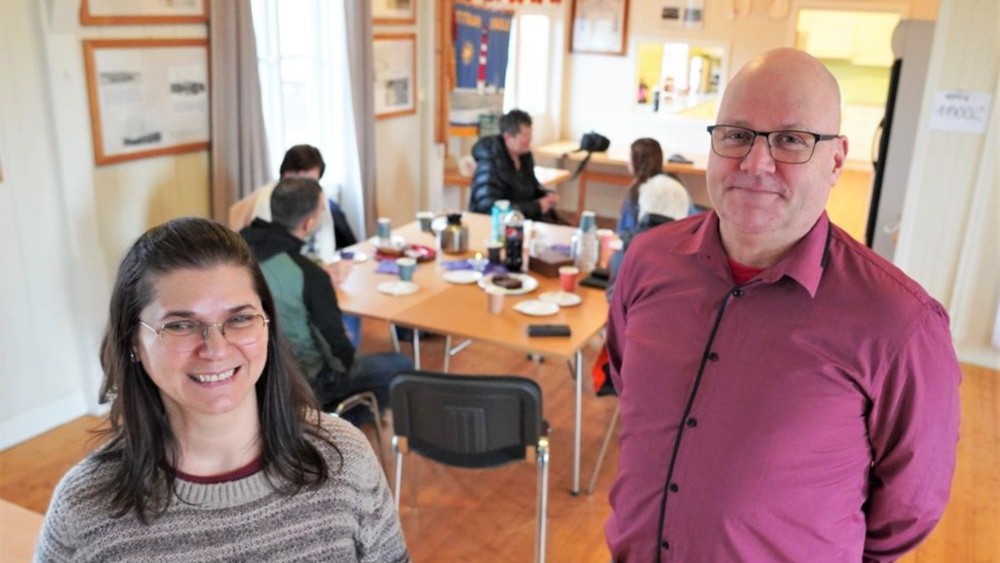
-
Who will look after Sweden’s growing elderly population as birth rates fall?
Between 2013 and 2023, the number of people in Sweden aged 25 to 60 rose by 455,000. By 2033, that number is expected to grow by a further 13,000 people. There is a similar development in the rest of the Nordics and the EU, which for many municipalities means severe labour shortages.
7 minutes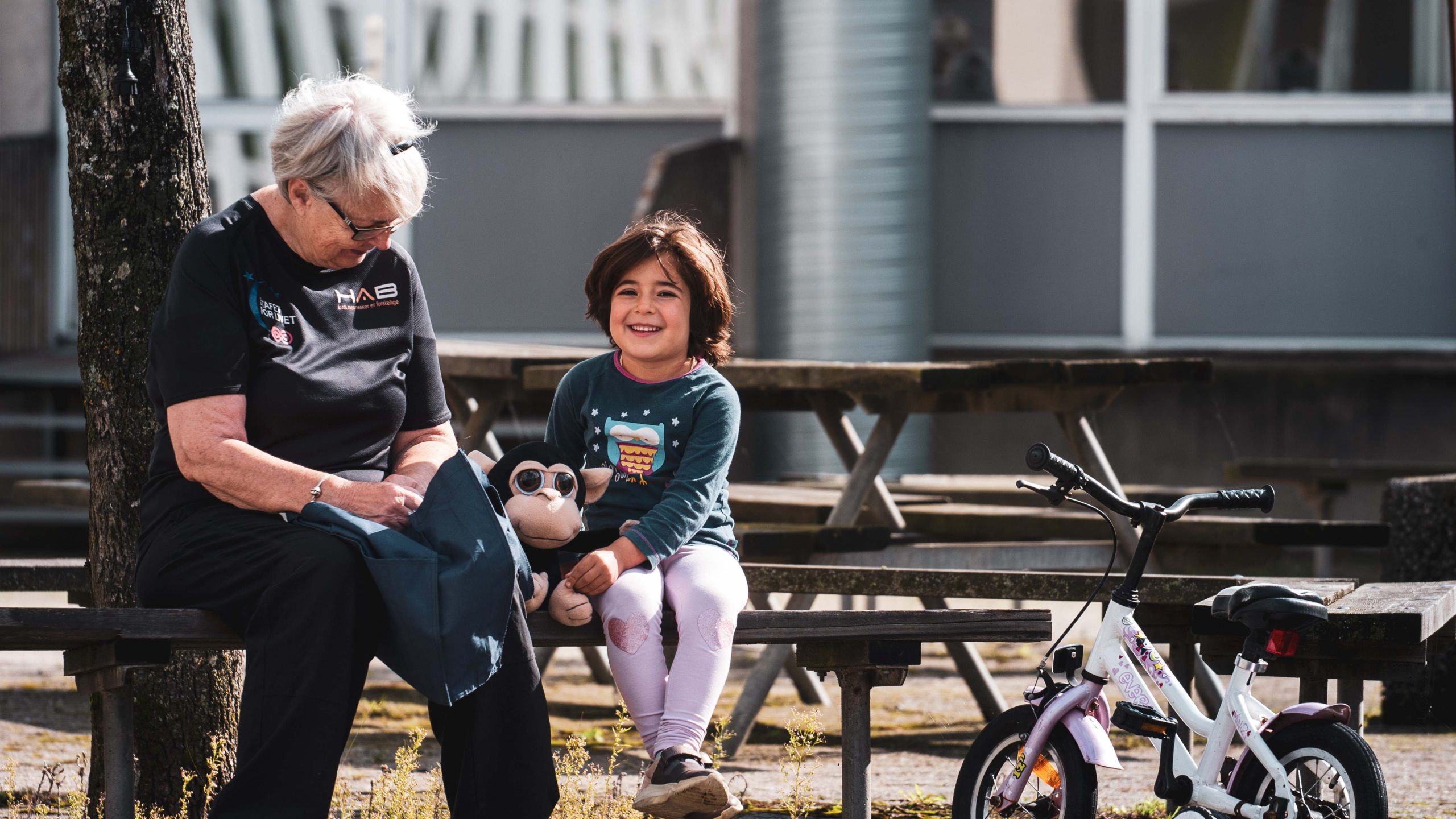
-
How Nordic local authorities can create social sustainability
A new book from Kristin Reichborn-Kjenner describes how municipalities can create social sustainability in practice. “Sustainability is more than climate, Teslas and battery factories,” says the research professor from the Work Research Institute at OsloMet.
4 minutes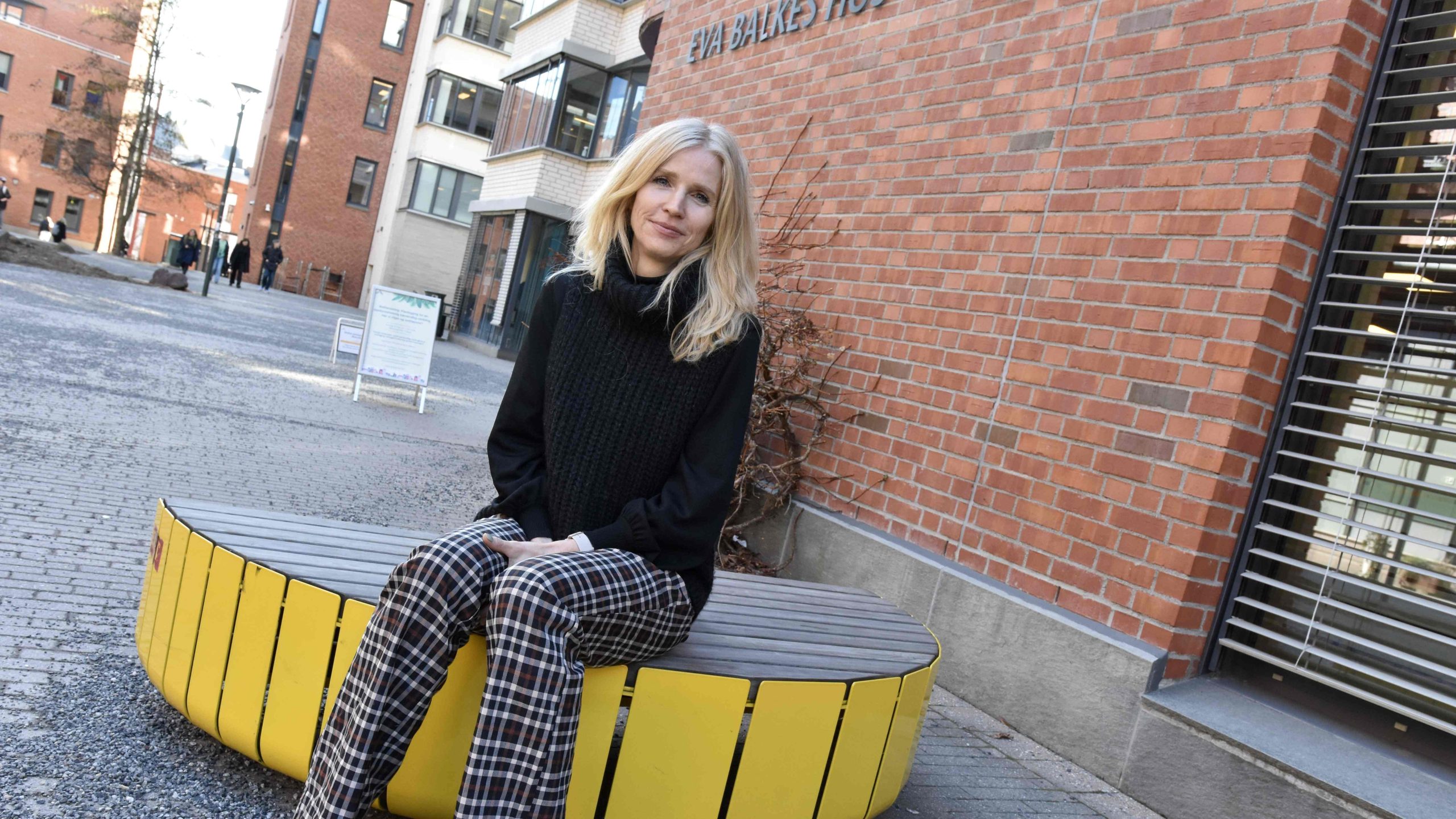
-
Gender equality barometer 2025
Gender equality in the top positions of power in the Nordic region in 2025 remains at a low level in NLJ’s gender equality barometer. Women get 68 points – 100 points mean full equality. But it would be even worse if Iceland did not for the first time in history elect both a female prime…
8 minutes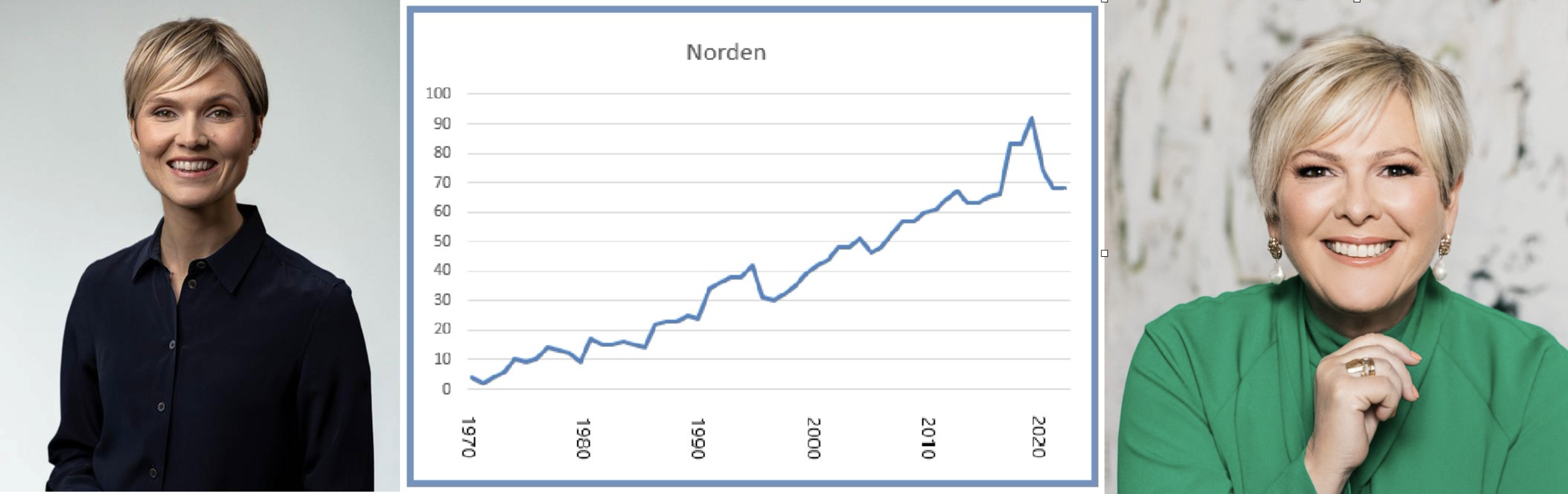
-
Iceland: Equality must be fought in every sector
In Iceland, women are now in a majority in the government coalition, and all three government party leaders are women. Many women also hold major public positions. In general, Iceland is considered one of the most gender-equal countries in the world. Yet despite the good progress, experts say that in many areas, Iceland is a…
8 minutes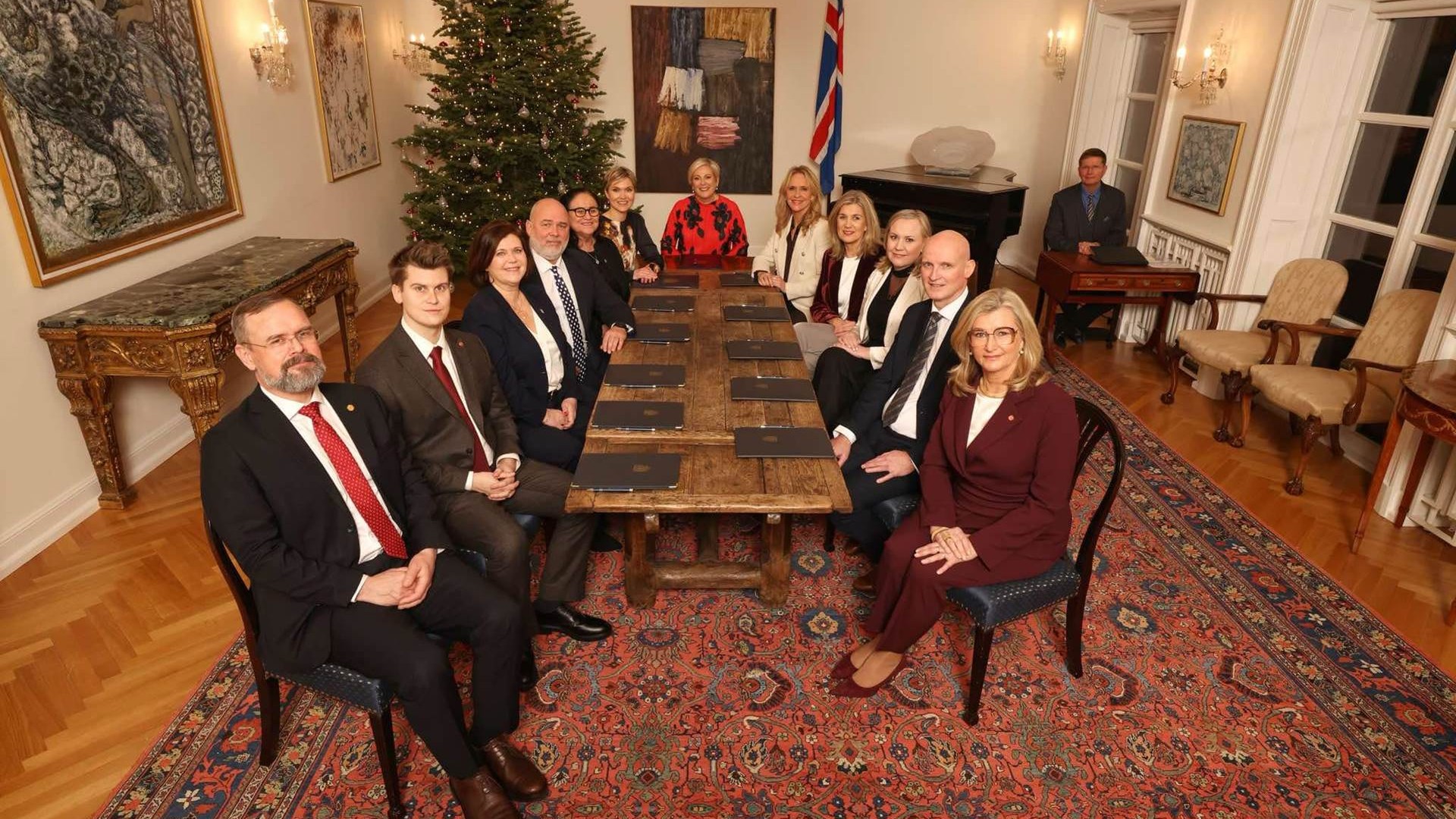
-
Boyhood researcher: “We need to exercise our reading muscle”
There is still work to be done to make Finnish schools more gender equal. An ambitious gender equality programme is needed, believes the Finnish boyhood researcher Harry Lunabba. Both boys and girls would benefit from it. Falling PISA literacy scores can have long-term consequences for pupils.
9 minutes
-
Sweden: Gender gap widens in education, economically and politically
Women are significantly more represented in higher education, especially in rural areas – a trend that is repeated in all Nordic countries. It has given many women a better life with higher employment levels and wages. However, the development also shows that men are falling behind.
6 minutes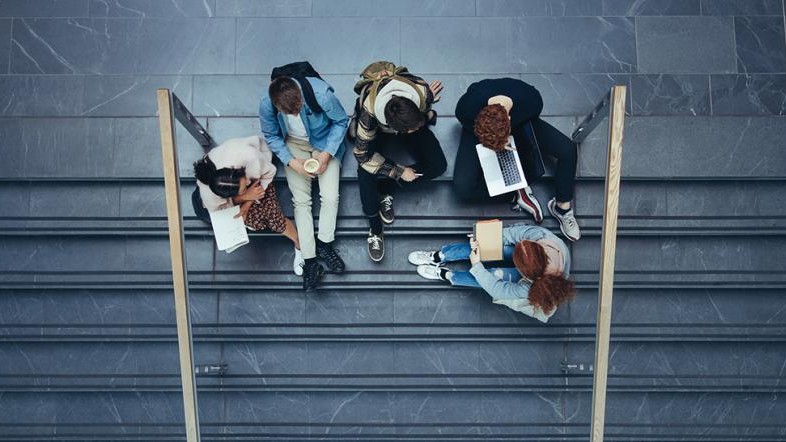
-
Nordic maritime sector sets sail towards greater gender equality
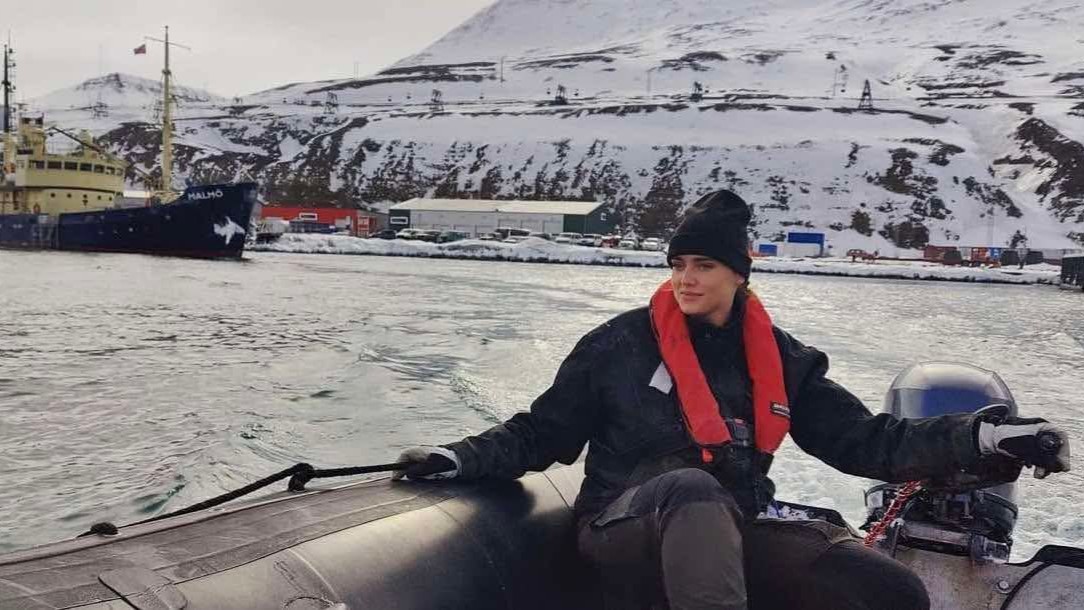
Men still dominate the maritime industry. In certain onboard professions, women are almost absent. Creating a secure working environment for everyone, regardless of gender, is crucial to make the industry more equal, argue the initiators of the Nordic REDO Lookout project.
8 minutes