Theme
-
The threat to Nordic freedom of movement
“The aim must be to normalise the situation and to remove borders obstacles when the refugee situation comes back under control,” says Bente Stein Mathisen, chair of the welfare committee at the Nordic Council. But before that happens, Danish politicians want to introduce new obstacles – this time for travellers between Sweden and Denmark.
1 minute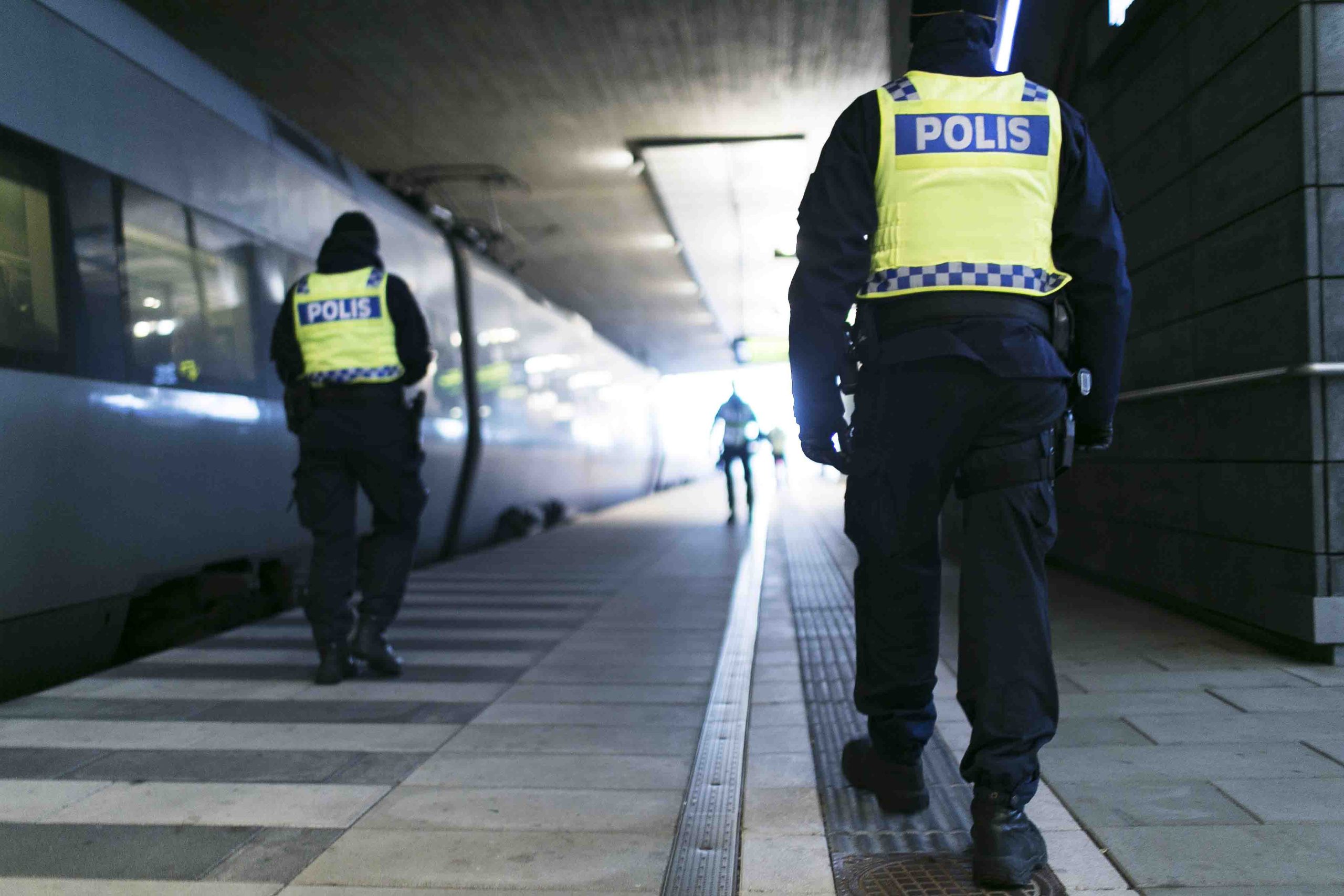
-
Can Nordic refugee policies be coordinated?
The large number of refugees arriving in the Nordic countries is having consequences for Nordic cooperation. This is the theme for the Nordic Council’s session in Oslo. New border obstacles have emerged, and if the refugee situation is handled very differently in the different Nordic countries it could have grave consequences.
4 minutes -
Danish businesses to train refugees for jobs
Less than one in three refugees in Denmark finds work after three years. Now the government and the social partners want to change this by introducing a two year integration education programme in the workplace.
4 minutes -
Gender equality in war and peace
Positions of power are still being conquered for the first time by Nordic women. But the one position of power no woman has yet held is commander-in-chief.
1 minute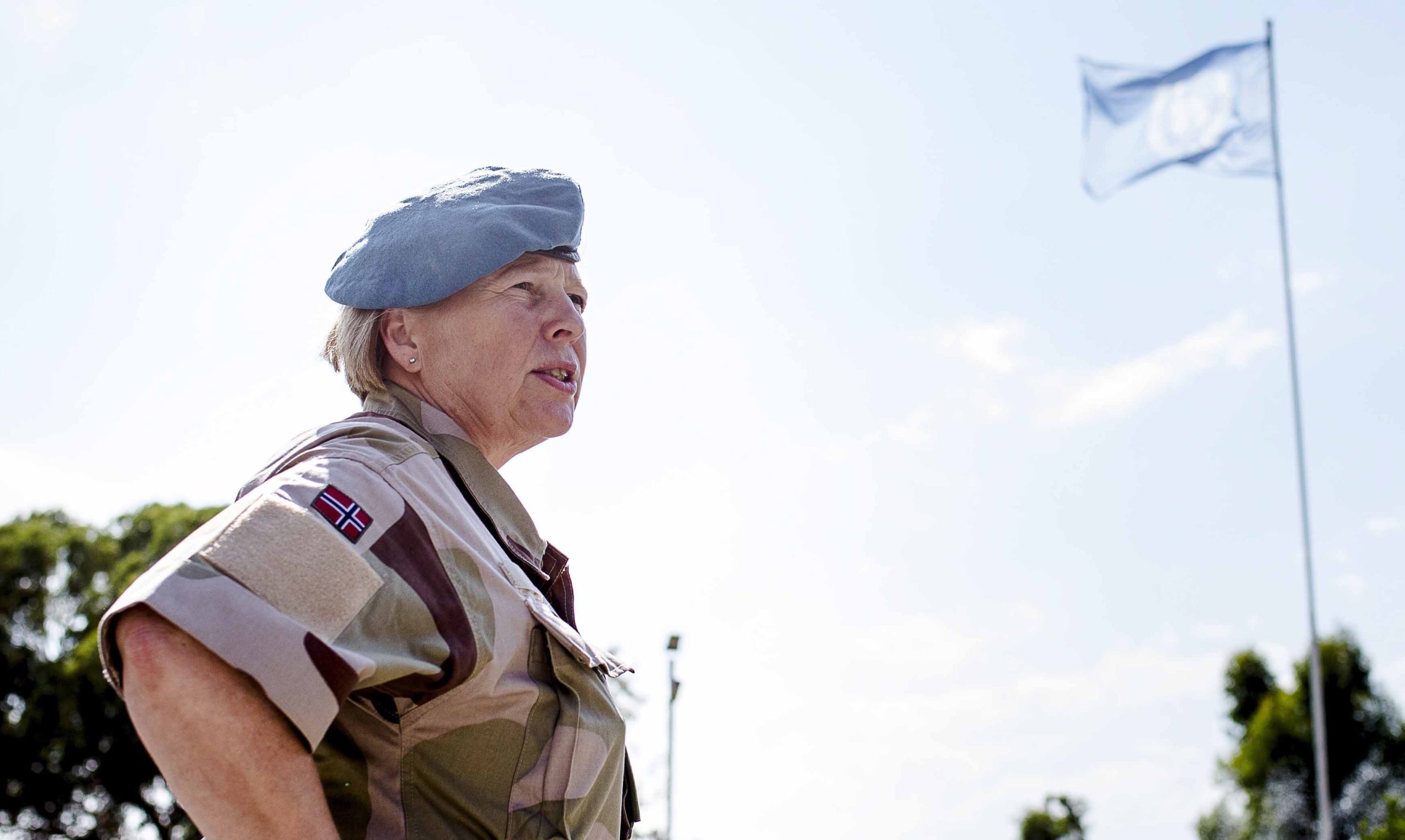
-
A slight dip in gender equality in Nordic positions of power
Since last year’s barometer there has been a change of government in Finland and in Denmark. Both resulted in governments with fewer female ministers. As a result Nordic gender equality falls by three points to 64 points. Behind the seemingly slight loss, women particularly in Denmark are facing a real setback in the fight for…
6 minutes -
Defining Sweden’s feminist foreign policy
Sweden’s feminist government wants to use its foreign policy to promote women’s and girl’s rights, representation and resources based on the reality in which they live. What exactly a feminist foreign policy means is hard to define, but the perspective should permeate everything the foreign ministry and the diplomatic missions to.
7 minutes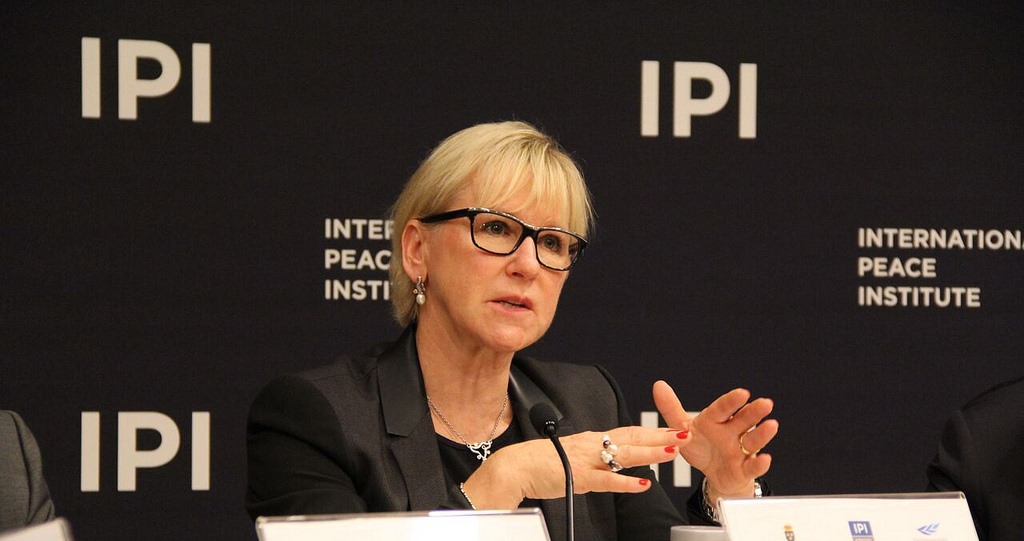
-
Sustainability must be based on democracy and has a hefty price tag
Nordic countries are leading the way in sustainable development and welfare, built on solid democratic foundations. That was one of the central themes when Finland organised its first conference after taking on the 2016 Presidency of the Nordic Council of Ministers.
3 minutes -
When the diversity diversifies
“Immigration to the Nordic region does not only mean more diversity. What we’re seeing now is that the diversity is diversifying. We get super-diversity,” says Tuomas Martikainen, Director of the Finnish Institute of Migration.
4 minutes -
Iceland’s Welfare Watch cushioned the crisis and led to stronger Nordic cooperation
The Finnish programme for Nordic cooperation aims to secure welfare by extending cooperation between different government departments and organisations. But can it be done? Iceland’s Welfare Watch is one of the best examples of an innovative way to cooperate.
3 minutes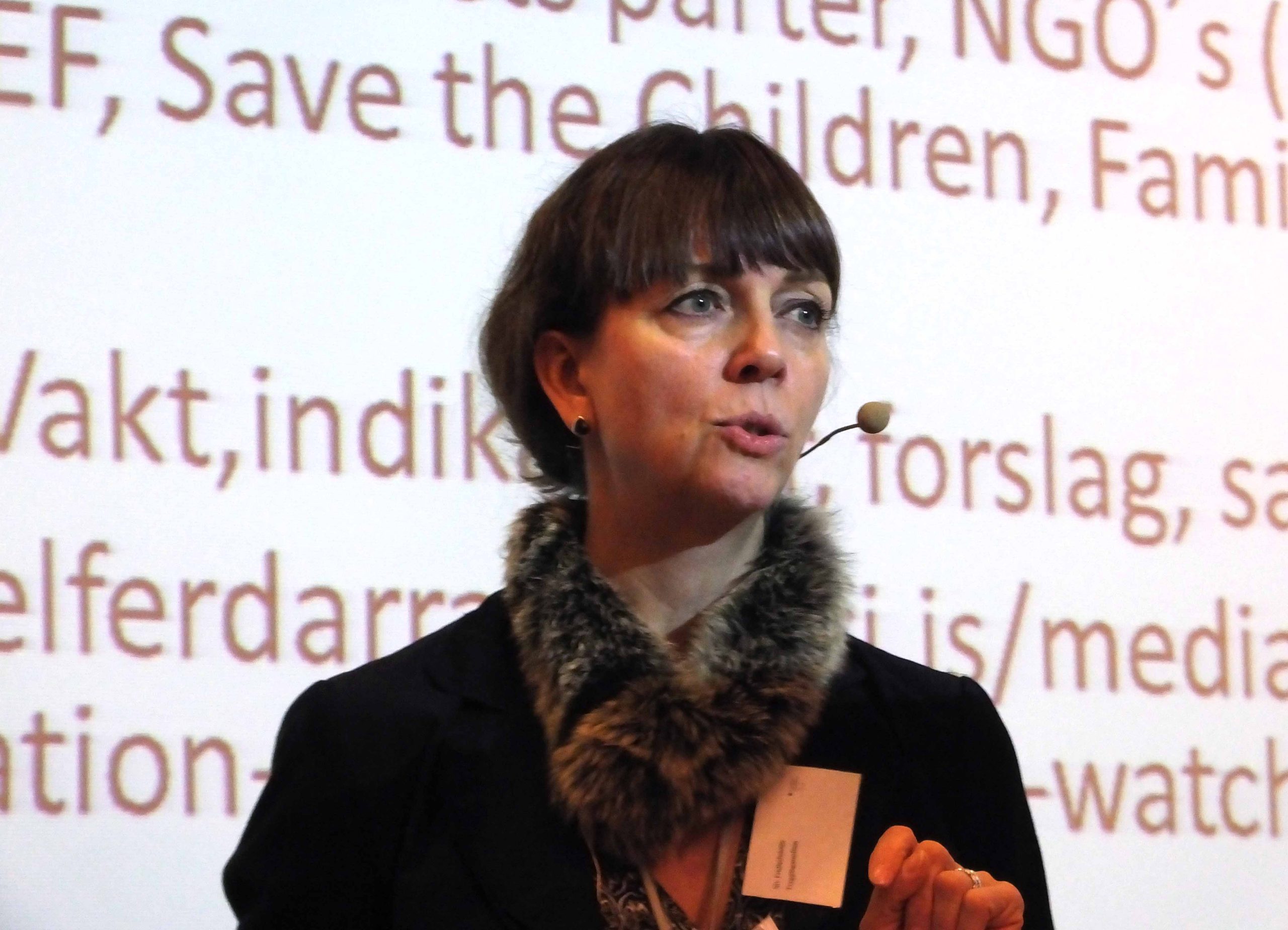
-
Kick off for “How are you doing in the Nordic countries?”
Kick off in Turku/Åbo for the Finnish Presidency and a great drive for Nordic cross-sector cooperation. How can work, welfare and culture be combined?
4 minutes