Theme
-
Skills and fair distribution a precondition for digitalisation
Nordic people are keen to adopt new technology at work. The region is leading the way. The challenge is making sure workers get the chance to adapt to new skills, how to organise skills development and who should pay. We need better systems to handle the challenges, said Ylva Johansson at the recent conference on…
7 minutes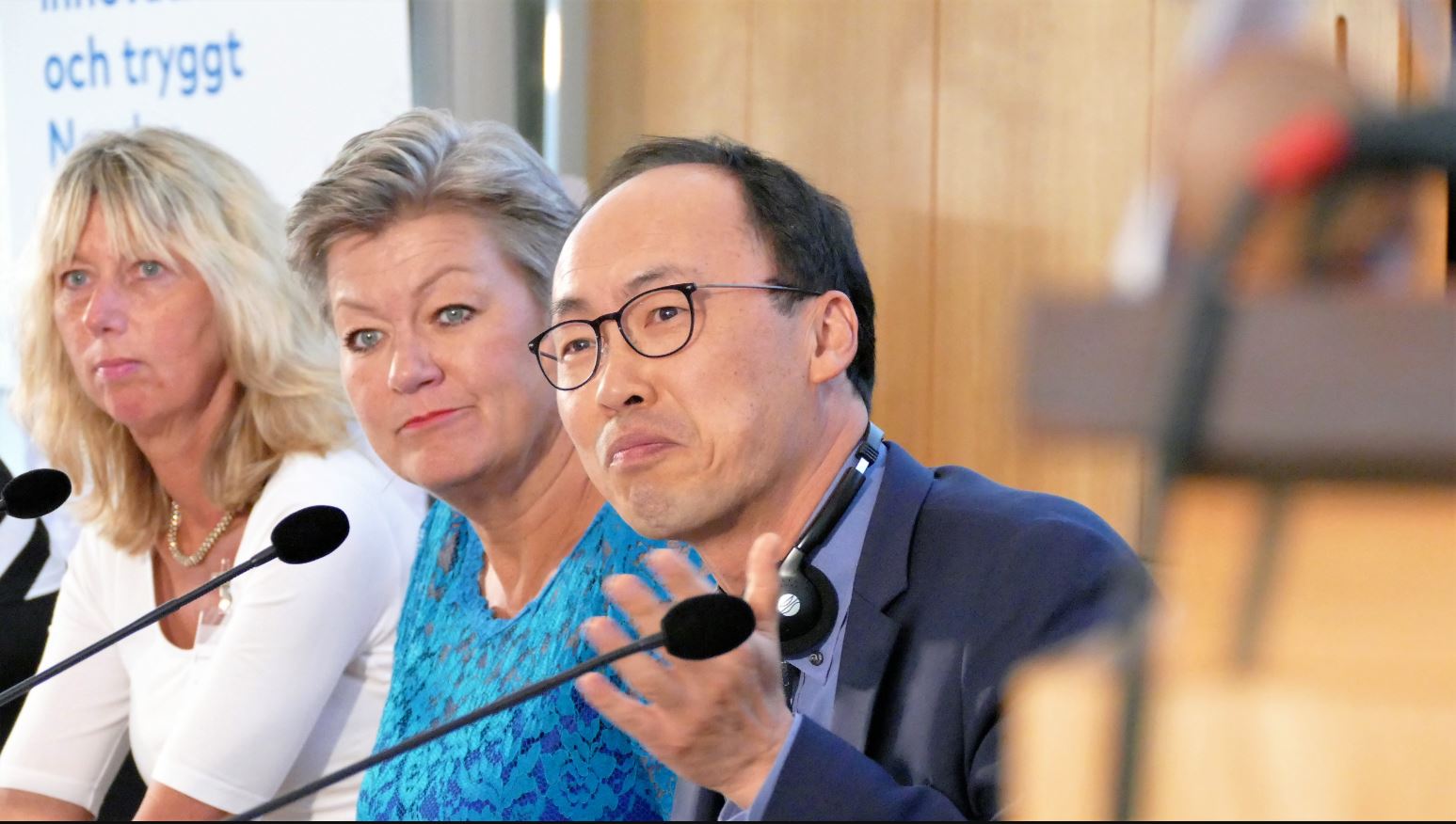
-
OECD: Robots less of a threat to Nordic jobs, but major IT gender gap is
14 percent of jobs in OECD countries are at high risk of becoming automated, while a further 32 percent of jobs will change radically, says Mark Keese, Head of the Skills and Employability Division at the OECD.
5 minutes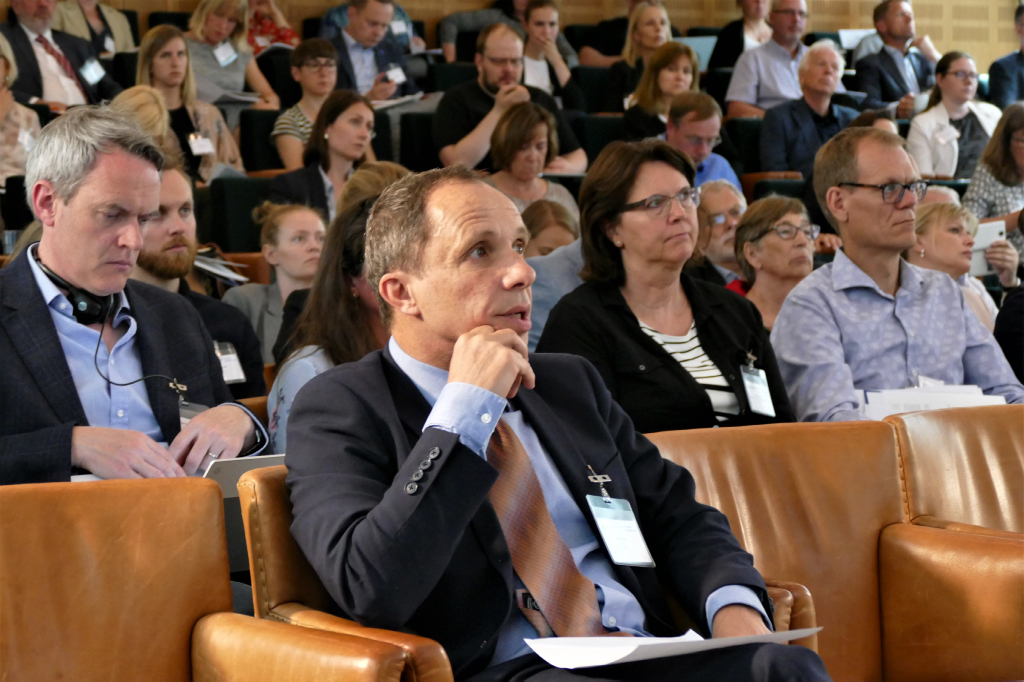
-
Digitalisation gives job centres new tasks and opportunities
Artificial intelligence (AI) and robot technology can tighten the quality for Nordic job centres, but also represents new challenges for authorities – including data safety.
3 minutes -
Google wants to enter the Nordic labour market
Optimism clearly trumped pessimism at the Nordic conference on the Future of Work in Stockholm in the middle of May. Companies, politicians and trade unions mainly praised the digital future.
6 minutes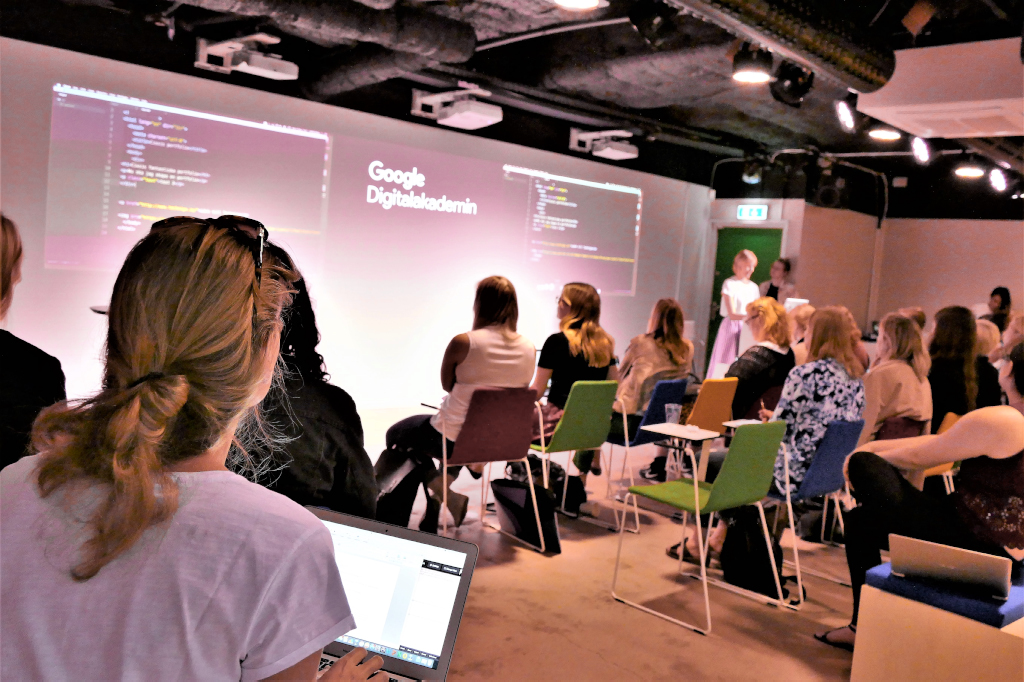
-
Newly arrived immigrant women – more than a labour market project?
682,948 non-western immigrants arrived in the Nordic region between 2010 and 2015. The aim is to integrate as many of them as possible into the labour market. The challenge is greatest for female refugees, who often face discrimination in their native countries and again risk being discriminated against in their new home country.
7 minutes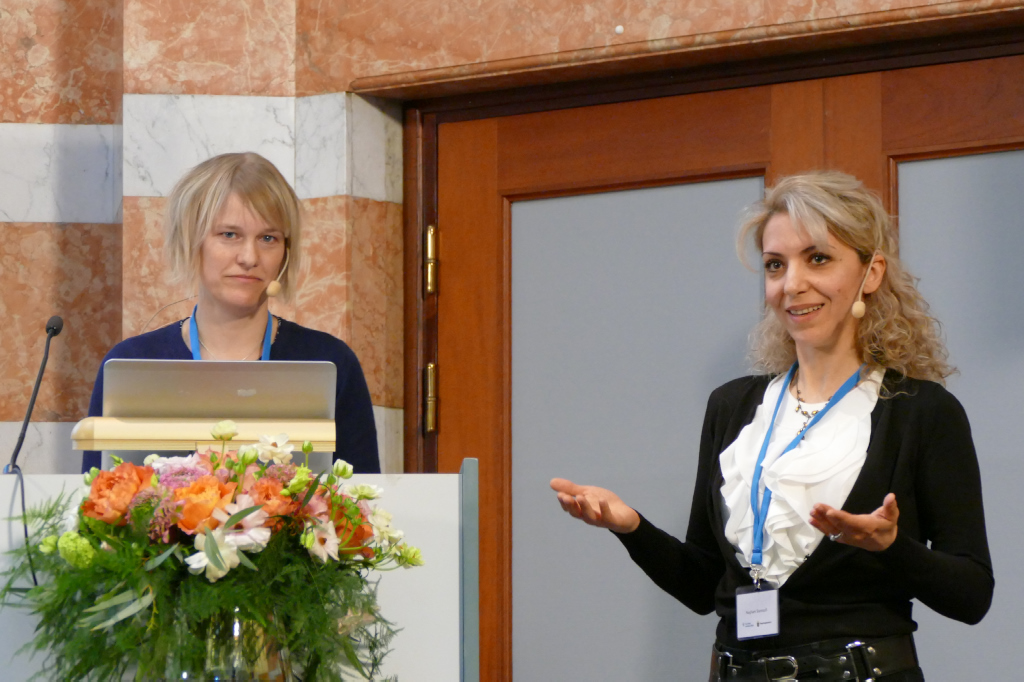
-
OECD: More flexibility needed to get female refugees into work
There is a need for more flexible measures to integrate newly arrived refugee women in the Nordic region, according to the OECD. Research shows that after years of fleeing, birth rates increase dramatically. When women feel safe, they have children – but that also makes it difficult for them to benefit from labour market introduction…
3 minutes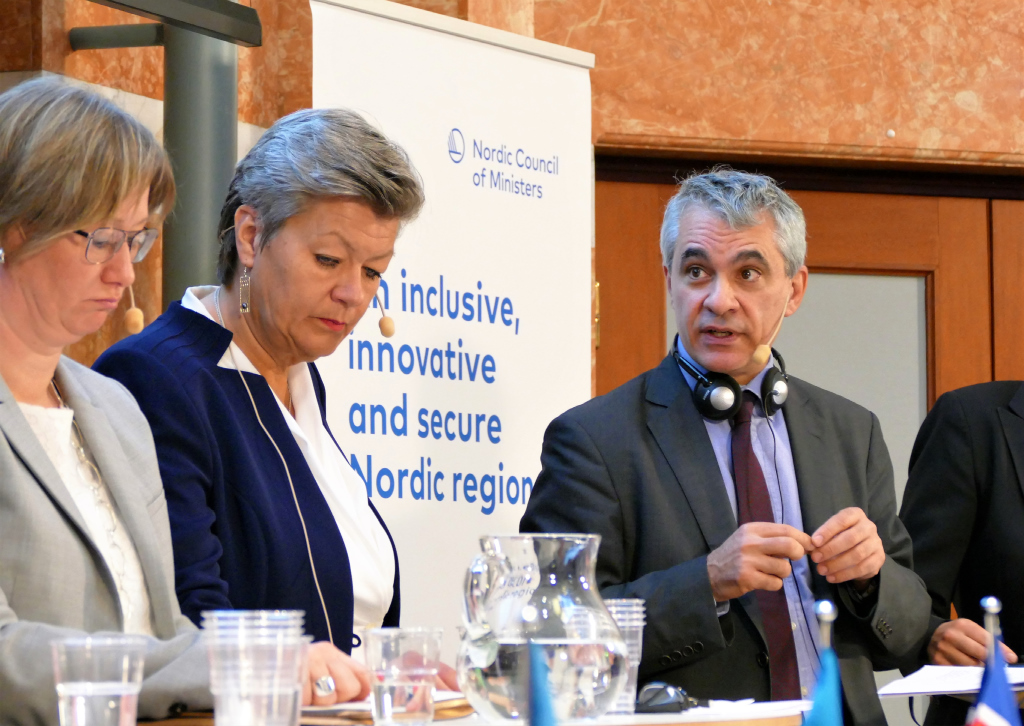
-
Nordic focus on getting more newly arrived women into work
To succeed in getting more newly arrived women into work, the Nordic countries need more employment measures, an increased focus on childcare and documented results from measures, according to a new study.
6 minutes
-
Project Mirjam tackles prejudices about and in the Swedish labour market
Project Mirjam targets women with low levels of education who have been granted asylum or residency in Sweden. It is considerably harder for them to find work compared to men in a similar situation, but guidance focused on work and gender equality produces results.
9 minutes
-
Women tighten grip on power in Norway – bottom place for Finland
When Norway’s Prime Minister Erna Solberg met the world’s most powerful man, alongside her was also Norway’s first ever female Minister of Foreign Affairs, Ine Eriksen Søreide. Norway still leads NLJ’s gender equality barometer by a good margin, while Finland has fewer women in positions of power than any Nordic country has had for 19…
6 minutes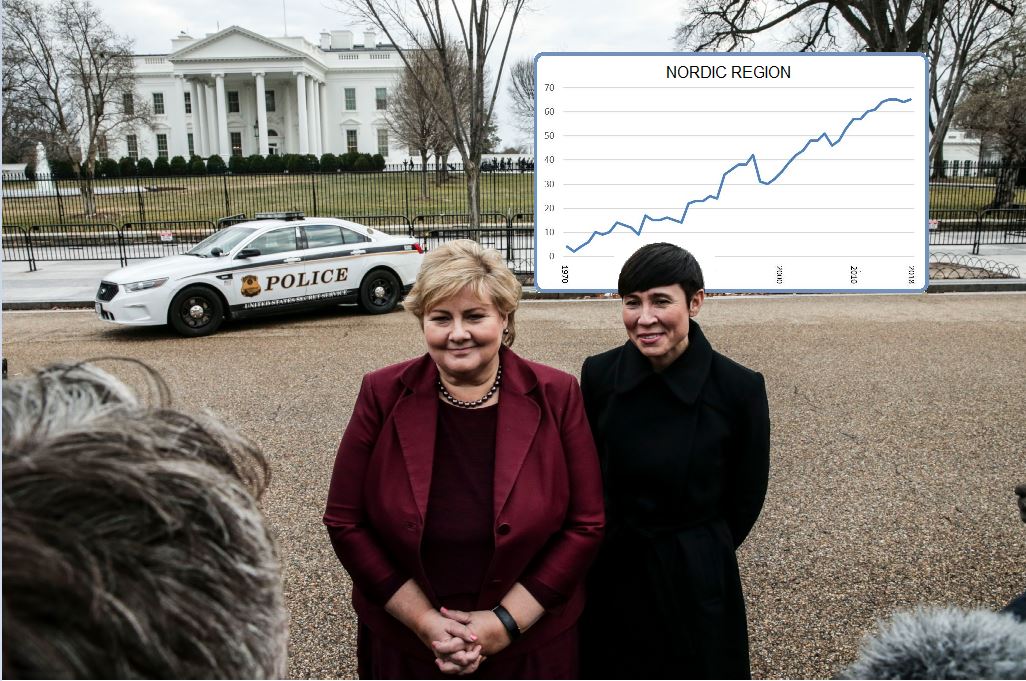
-
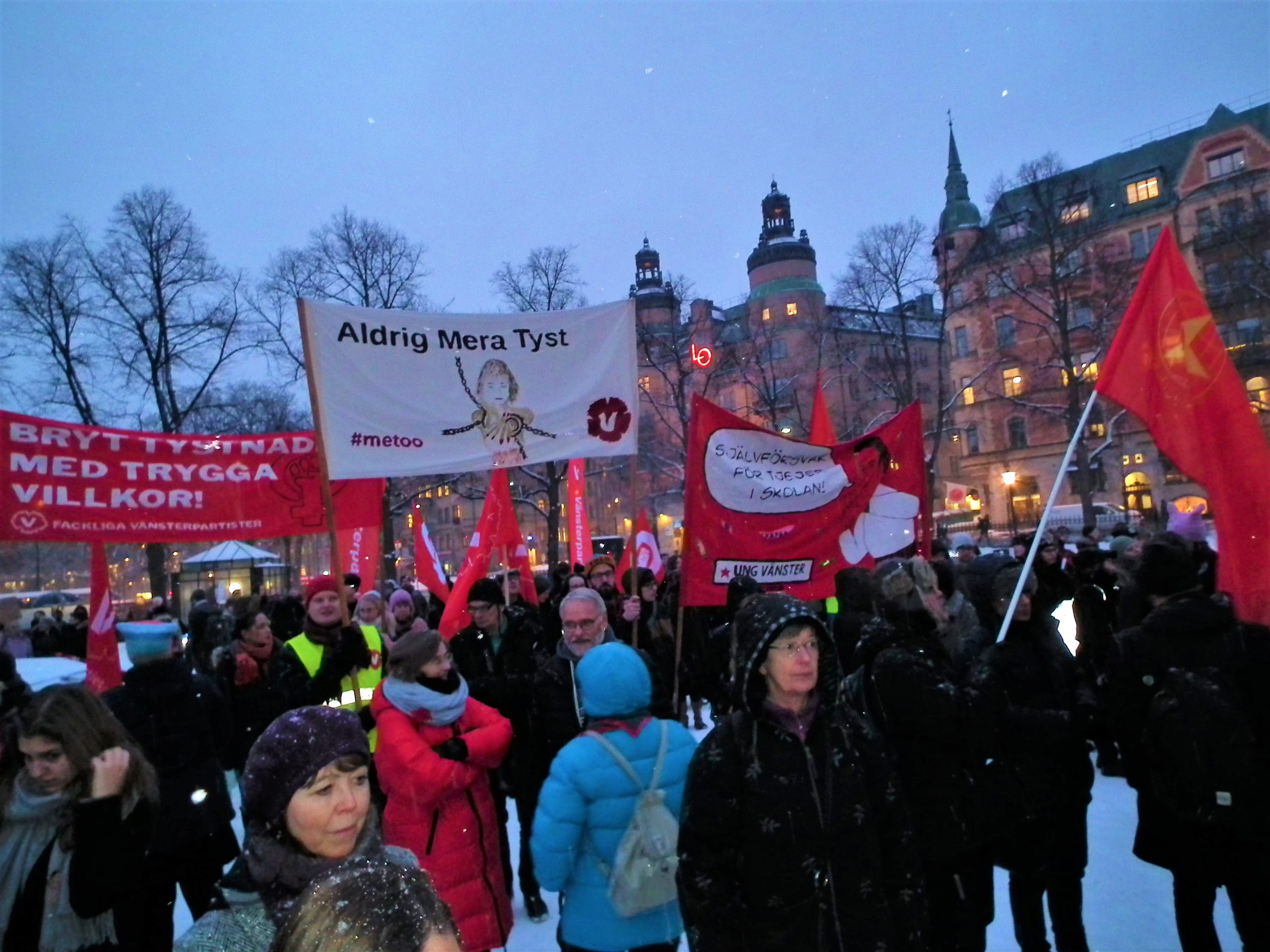
How should trade unions handle #metoo?
The #metoo movement’s many appalling stories show that parallel to rules and regulations there has been culture of silence which has made sexual assaults and harassment possible. This is a challenge for trade unions on all levels, concluded Nordic trade union representatives at a meeting in Stockholm in February.
4 minutes