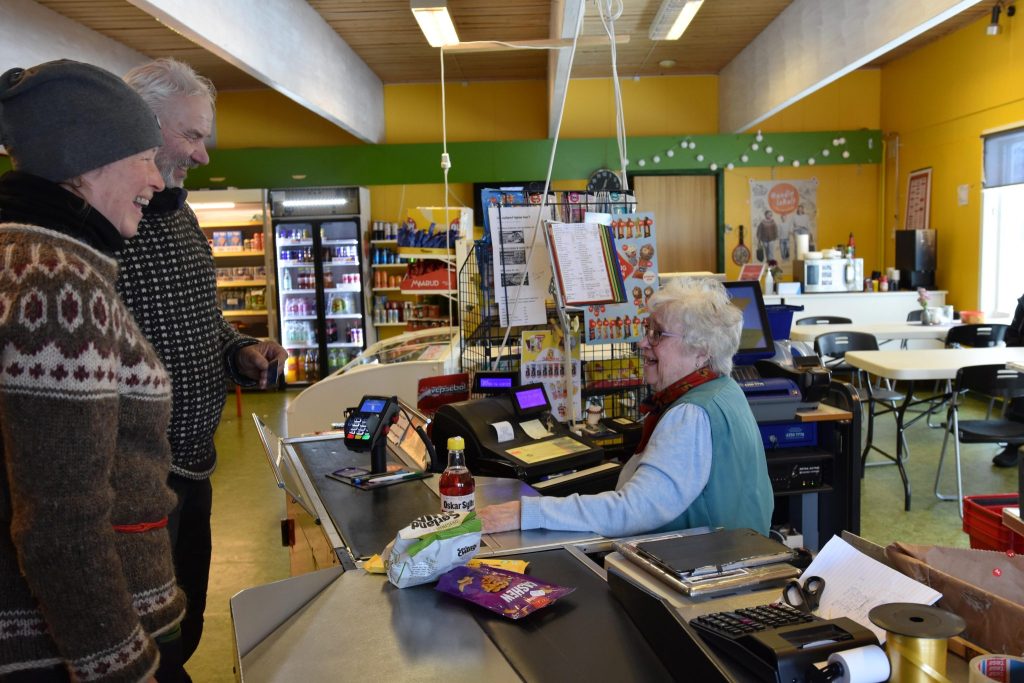
“You’ve got my favourite soft drink! It’s made down south!”
The man’s face lights up when he discovers the bottle in the chilled drinks cabinet. He has popped into the small village shop in the village of Sirma with his wife, during the annual Finnmarksløpet, Europe’s toughest dog-sled race.
The customers come from the south, just like this journalist.
Read this article in Norwegian on Arbeidsliv i Norden
Behind the counter, Ingrid sits smiling. She rings up the purchases, chats with the customers and asks whether they are part of the dog-sled race.
When you come to Ingrid to shop, you can also expect a good chat and laughter.
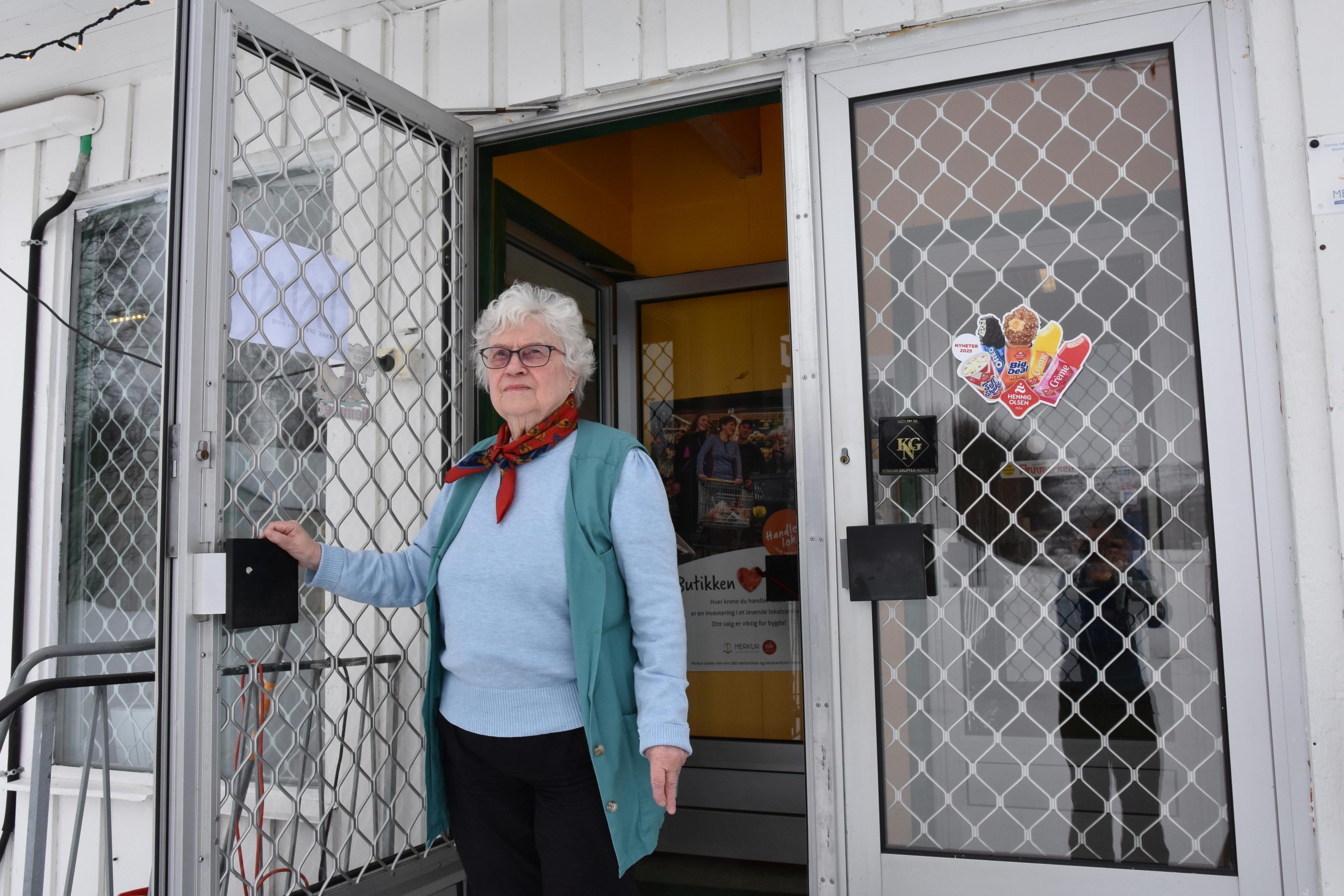
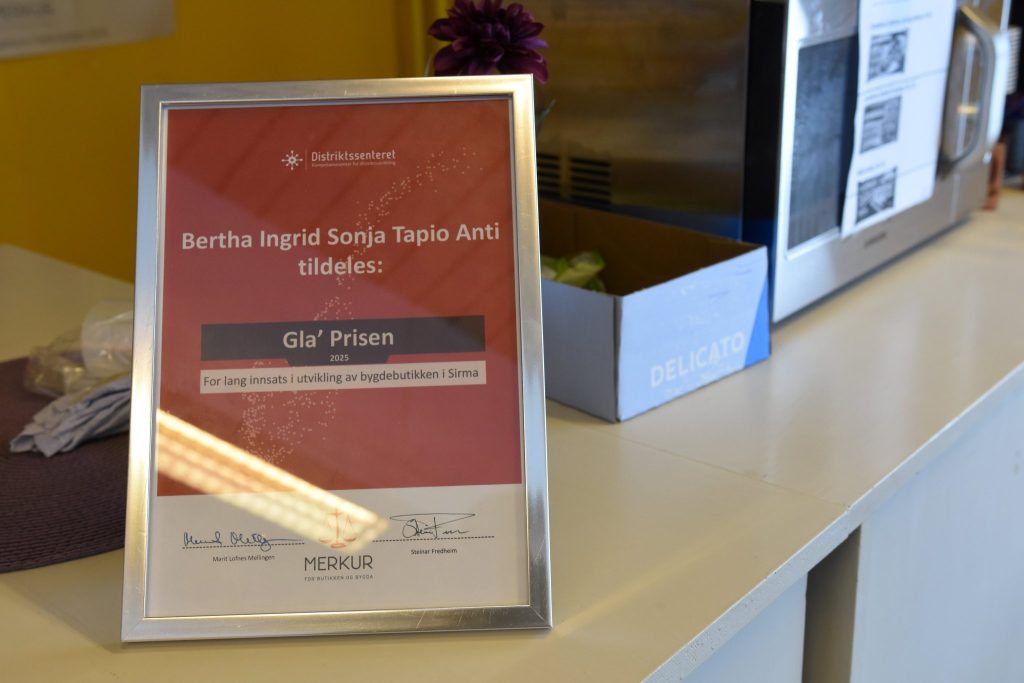
85-year-old Ingrid has spent nearly her entire life in a small shop far north in Finnmark on the border with Finland. Her full name, by the way, is Bertha Ingrid Sonja Tapio Anti.
“Many are surprised that there’s a shop here at all. And they are even more surprised by all the different stuff we sell,” she says.
Ingrid started helping out in a shop when she was around 10 to 12. Her family ran two stores at the time. Her father had been a shop keeper since soon after the war.
Ingrid first worked in a shop in the hamlet of Båteng. In 1992, she took over the shop in Simra after her father.
More than 30 years later, customers still meet Ingrid in the shop. Six days a week. She keeps it open from Monday to Saturday and only closes on a Sunday.
Right between two countries
Sirma is on the Tana River, about 45 kilometres from Tana bru, the municipal centre of Tana municipality. The Tana River marks the border between Norway and Finland. On the other side of the river is the Finnish municipality of Utsjoki.
Today, the Sámi Bridge bridge links the two countries. In the winter, there is an ice bridge that will support cars.
Around 100 people live in Sirma and the surrounding area. There used to be a school in the village, but it closed down a few years ago because the municipality said there were not enough school-aged children to make it viable.
The nearest shopping centre on the Norwegian side is the aforementioned Tana bru.
While Norwegians happily go to Finland to shop, there is also some traffic the other way.
“When daddy was alive, the Finns came here to buy margarine, flour and sugar,” says Ingrid.
Now, other types of goods are tempting them here.
“We sell a lot of snus. The Finns buy snus,” she says and laughs.
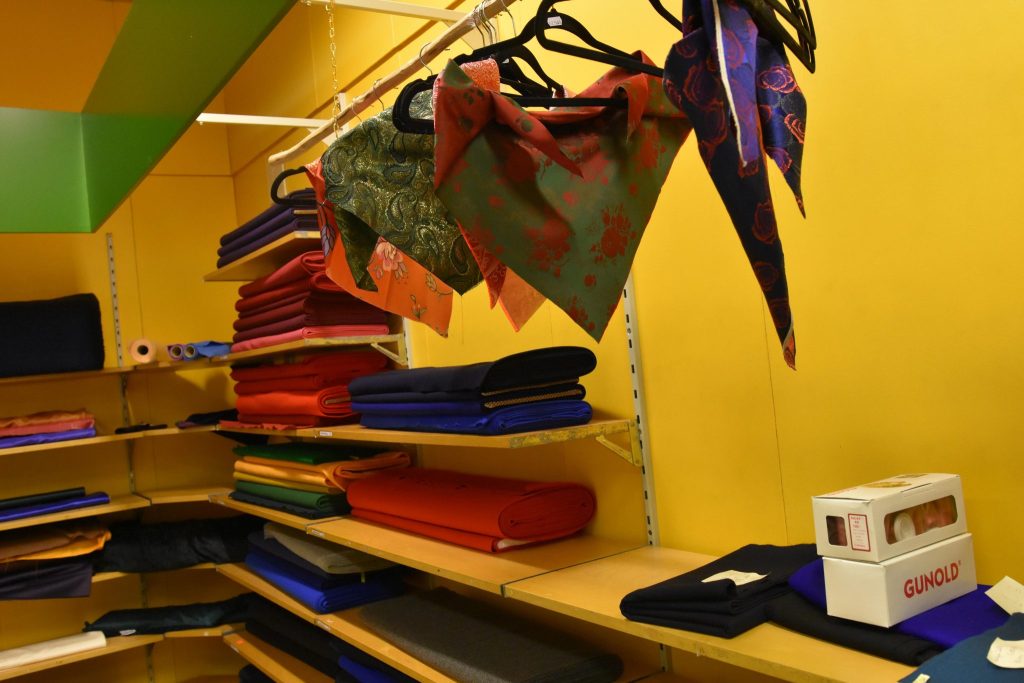
Many also come to buy fabrics, ribbons and other materials for traditional Sámi clothing. The shop is the only one for miles to carry such items.
More than a grocery store
A.E. Tapio Eft. is far more than an ordinary corner store.
Between the groceries, customers can find all kinds of goods, for instance wellies, clothes, screws, sewing equipment and medicines. Put it this way: If there is something you need, you can be pretty sure that Ingrid has it in her shop.
“In a small place you have to have a little bit of everything. It is not enough only to sell milk and bread,” says Ingrid.
She also believes this is part of the reason why people like popping by. Some shop, others have a chat.
Several of the shop’s shelves are filled with the textiles and ribbons that are needed for sewing traditional Sámi costumes.
The shop also has a small coffee corner which functions as the village’s meeting place.
“People come here. Some shop, others come just to chat and have a cup of coffee.”
Sometimes, neighbours knock on the door after closing time too. If someone has forgotten to buy whipping cream for their birthday cake, they can buy some from Ingrid – also outside of normal opening hours.
She smiles when we start talking about unmanned shops that are open 24 hours.
“The family has suggested that. But no. I like to lock the door when the day is over. I don’t want people in and out of the house at all hours.”
15 steps to work
Above the shop in the same house, she has her flat.
“I have 15 steps down and 15 back up. That’s where I get my exercise,” she says.
She is convinced that having her home and workplace so close together has made it possible to carry on for as long as she has.
When the children were young, nine people lived in the house. Ingrid has four children. Her family helps out when it is busy, and these days she gets help to order goods and when these arrive in the store every Wednesday.
Digital tools have made their way into the shop lately. Ingrid is perhaps most pleased with the iPad.
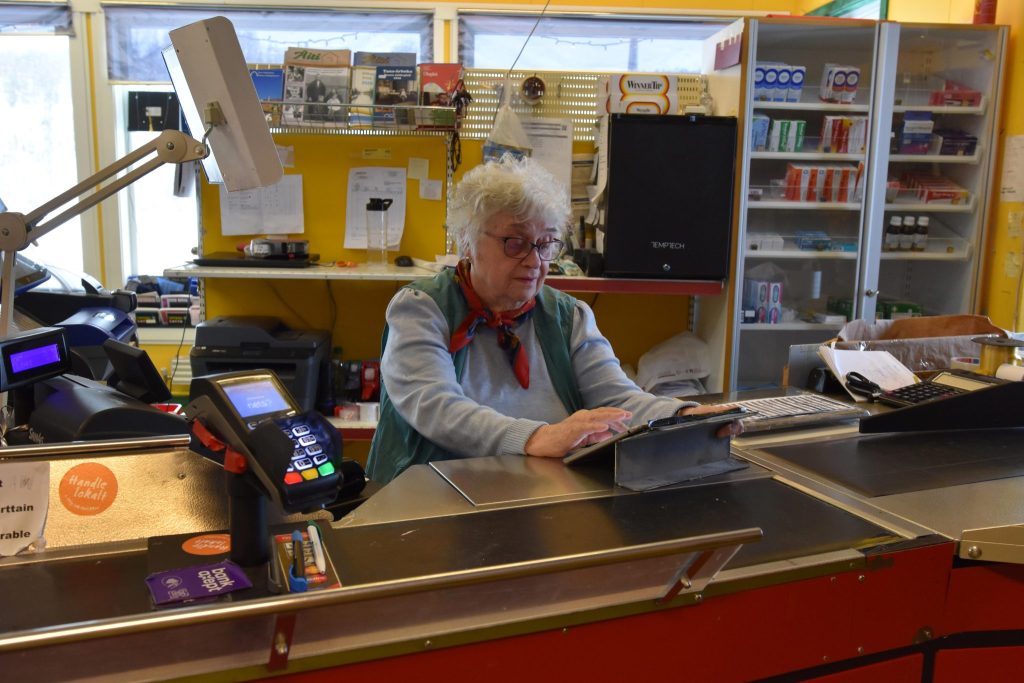
She still does the accounts and takes care of much of the other paperwork. Except that it is no longer done on paper, but mostly on her iPad.
She is rather fond of it. In quieter moments, she can also catch up on the news, check Facebook and keep up with what is happening in the surrounding villages.
“I get a lot of help, so I have no problems.”
She has hardly ever been away from work.
“I’ve only been off sick once, for 14 days.”
When the shop closes on Saturday afternoon, she switches on the robot vacuum to clean the floor. Then she goes upstairs to the flat, makes dinner, eats and enjoys the rest of the weekend.
Sunday is her day off.
Taking it six months at a time
When Ingrid turned 67, she thought the time had come to retire. It didn’t happen. Later, she said she would stop when she turned 70. That didn’t happen either.
“I usually say I take it six months at a time.”
She sees no reason to stop as long as her health holds up.
“Why should I go upstairs and sit in a chair? It’s much better to sit here, talk to people and be useful than to sit upstairs and do nothing.”
She pauses for a moment.
“Many times I think, ‘I can’t do this any more.’ But then it passes.”
The next morning, she opens the door at ten, just as she has done for decades. Customers come when they come. Some come to shop. Others just come for a chat.
Ingrid is there behind the till. Just as she has been for most of her life.