News
-
No easy way to lower sick leave
In Norway the co-operation between the government, the unions and the employers is usually very close. But September saw an unprecedented quarrel among the three parties about who should pick up the bill for the rising cost of sick leave.
4 minutes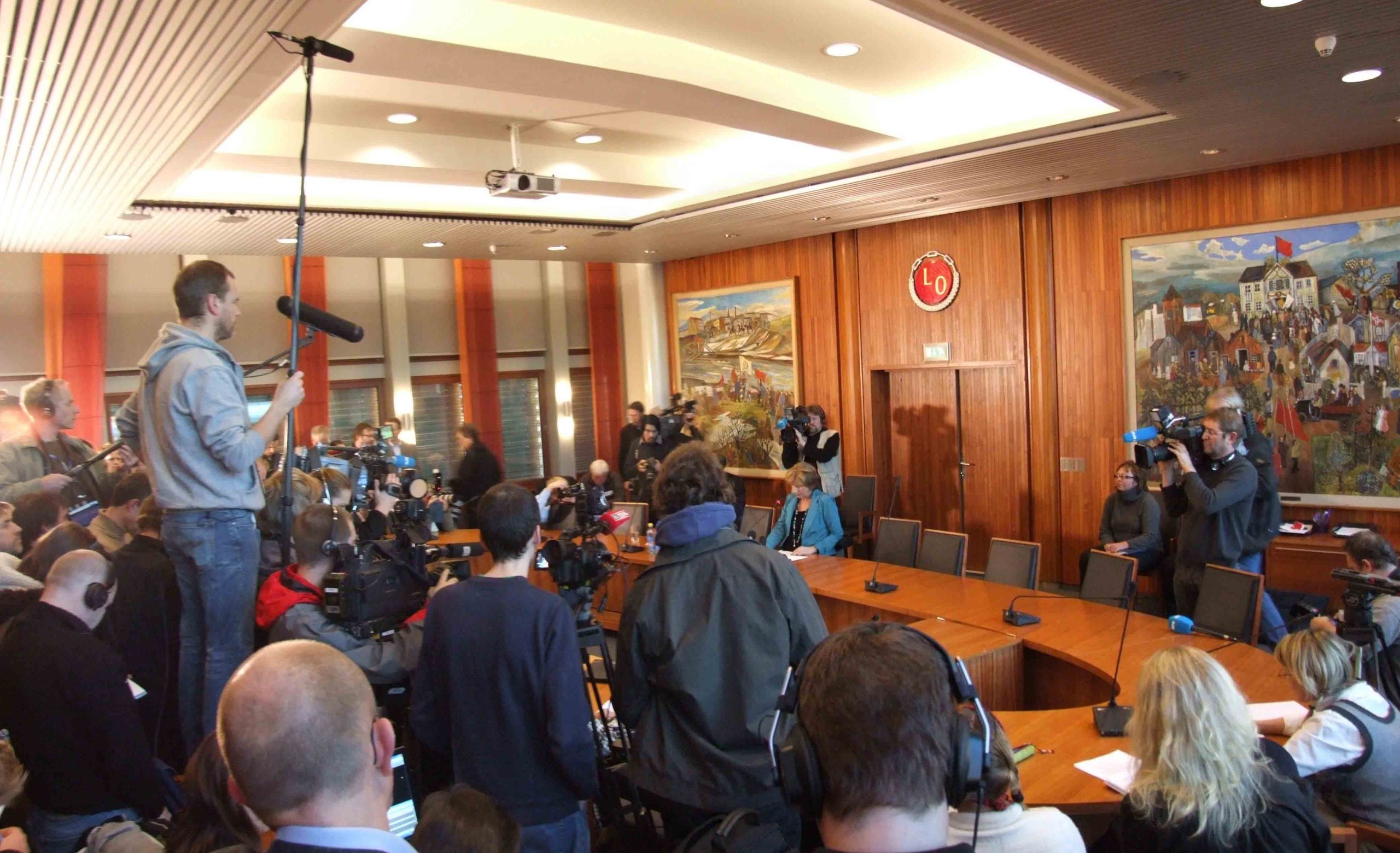
-
EU enlargement two years on: what challenges to the Nordic labour market?
The growing mobility of labour from EU-8 after 1 May 2004 has contributed to increasing production and employment, curbing of prices and interest rates, and extending the room of manoeuvre in economic policies in the Nordic countries.
6 minutes -
Foreign workers in Iceland — living on the fringe of society
One out of four men living in Eastern Iceland is a foreign citizen. The majority of the foreigners come from Poland, work in large-scale industry and live isolated from the Icelandic population.
3 minutes -
The Nordic Model of Labour Relations and the Vaxholm case
Sweden was one of the few EU member states that did not introduce any transitional restrictions on the free movement of workers when EU enlarged with 10 new members in 2004.
6 minutes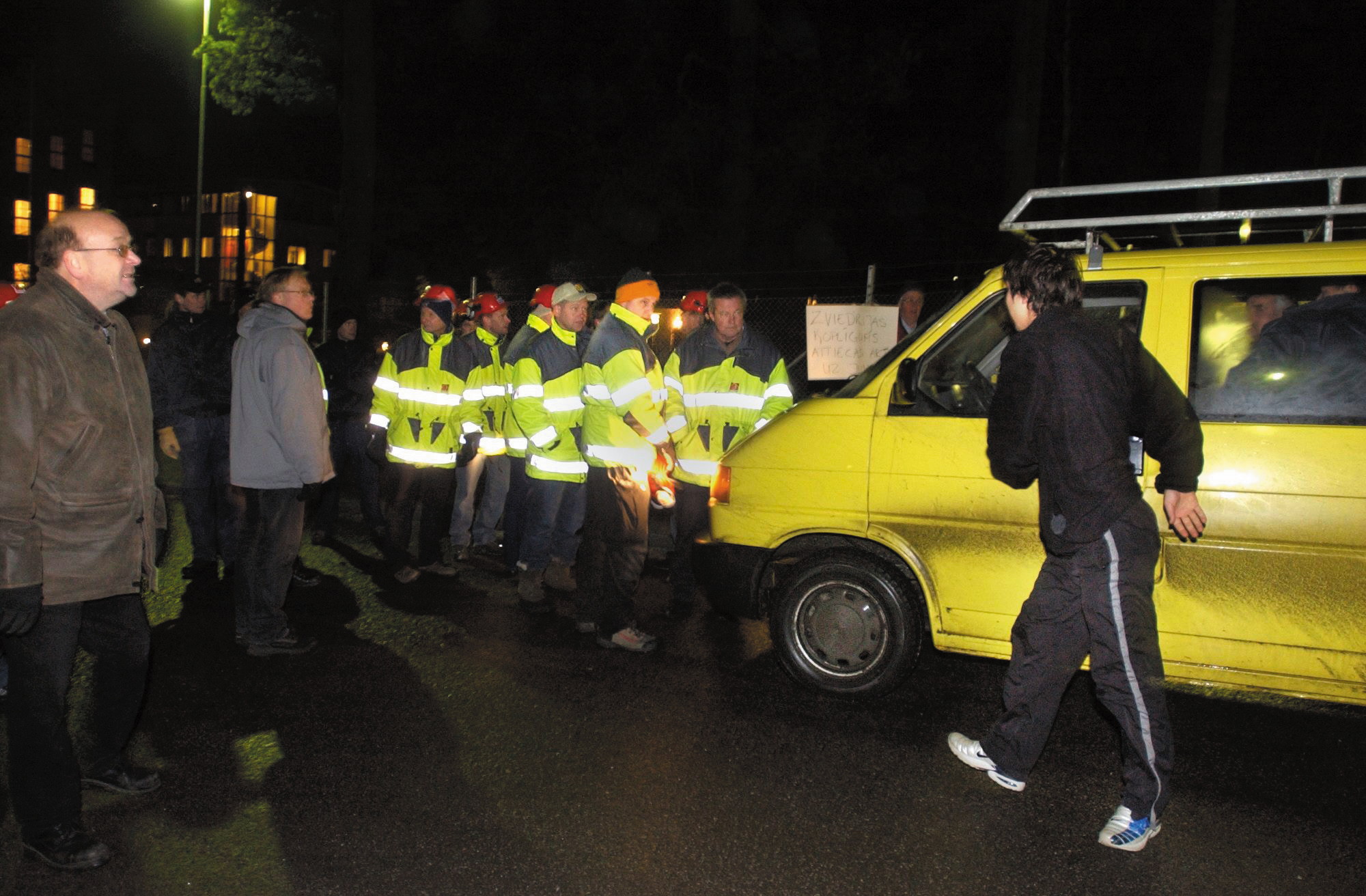
-
Fighting against prejudice
In an effort to tackle discrimination at all levels of society, the Norwegian government has appointed the first ever equality and anti-discrimination ombud. The aim is to fight against all types of prejudice, be it on the basis of gender, ethnic origin, sexual orientation, disability or age.
3 minutes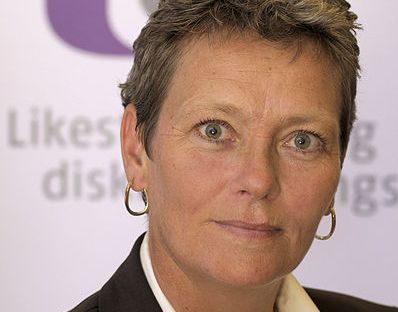
-
Labour shortage chokes mobility
Finland has decided to abolish the transition rules for labour from new EU member states from 1 May this year. Norway, Denmark and Iceland have still not decided, while Sweden opened her borders as early as 2004.
3 minutes -
Lack of manpower – a problem for all
Sergo Teider-Lastikka says it makes no real difference that his countrymen will soon be free to seek work in Finland, when the country opens her border to workers from the new EU member states. He has not seen much of the limitations which have been in place for the past two years either.
3 minutes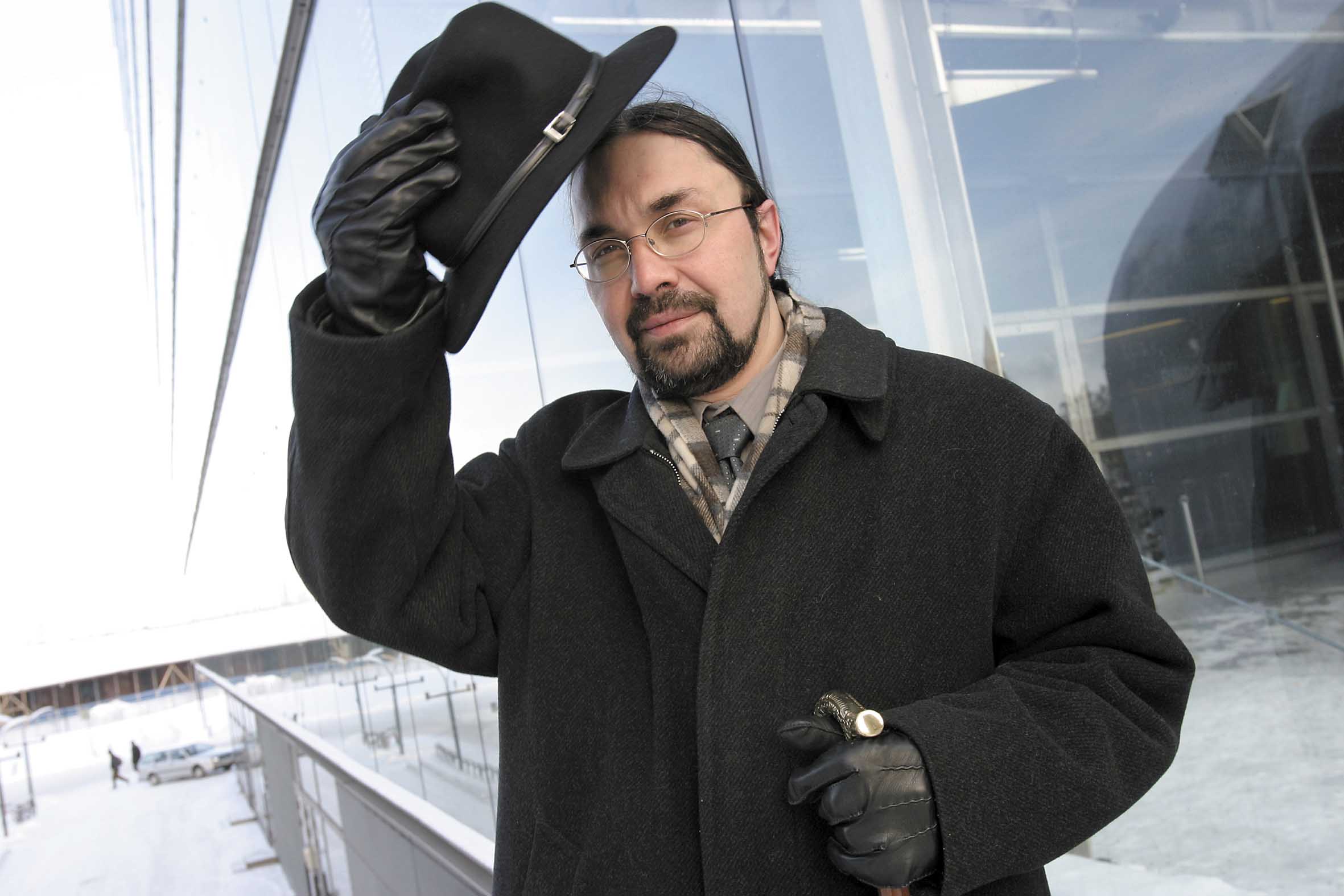
-
Renewed vigour for working life
Denmark enjoys EU’s lowest unemployment rates among the young, but too few take higher education. NLJ explores how to get the young going by ”leading them by the hand”.
7 minutes -
The Danish model: Inspiring growth
The combination ease of dismissal and job and economic security in Denmark has become a big success: 30 percent of Danish workers change jobs every year,unemployment is low, and Danish employees are the most content in the world. Now both employers and employees want to promote the Flexicurity model in Brussels.
5 minutes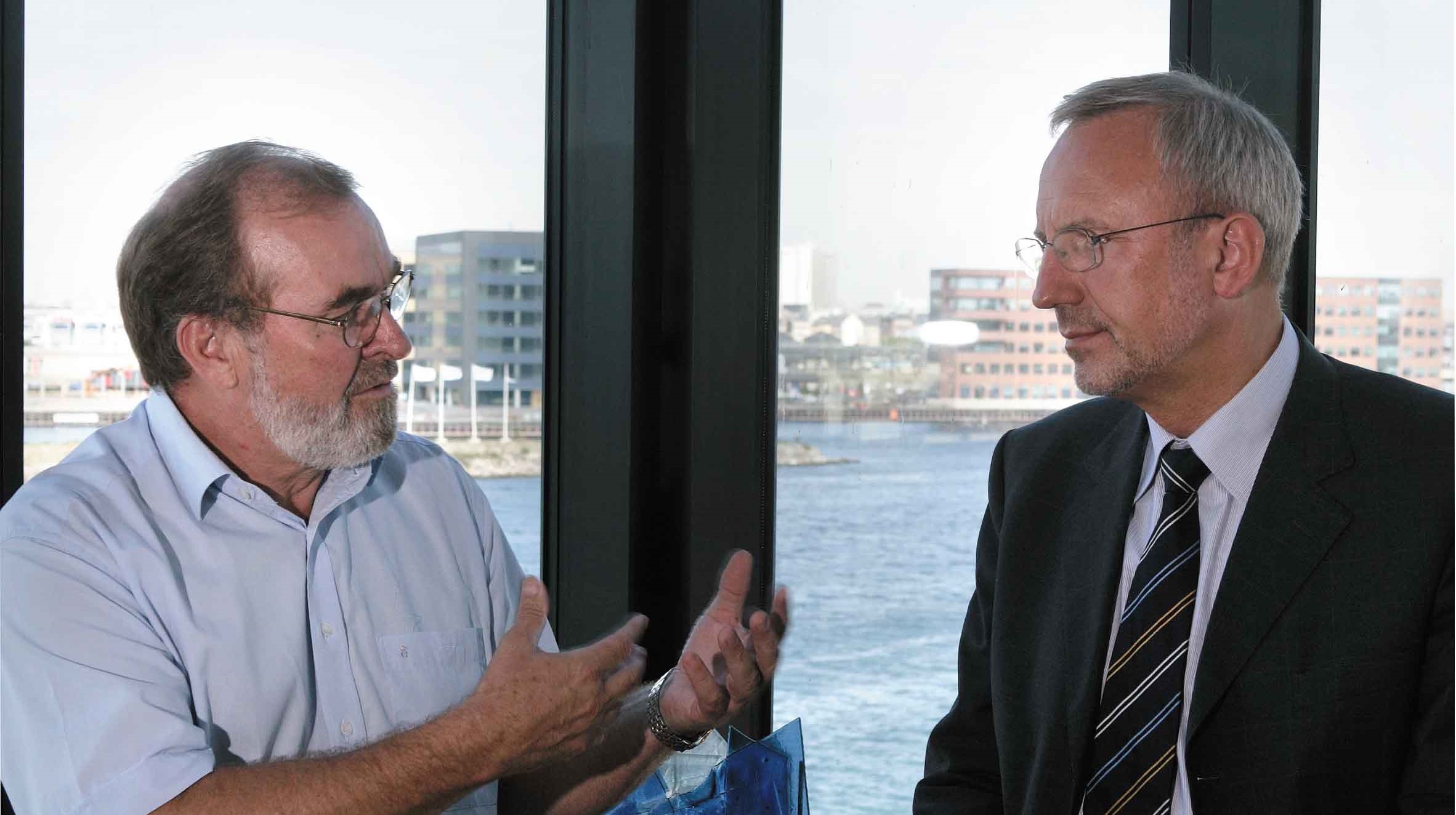
-
Iceland: The parental revolution
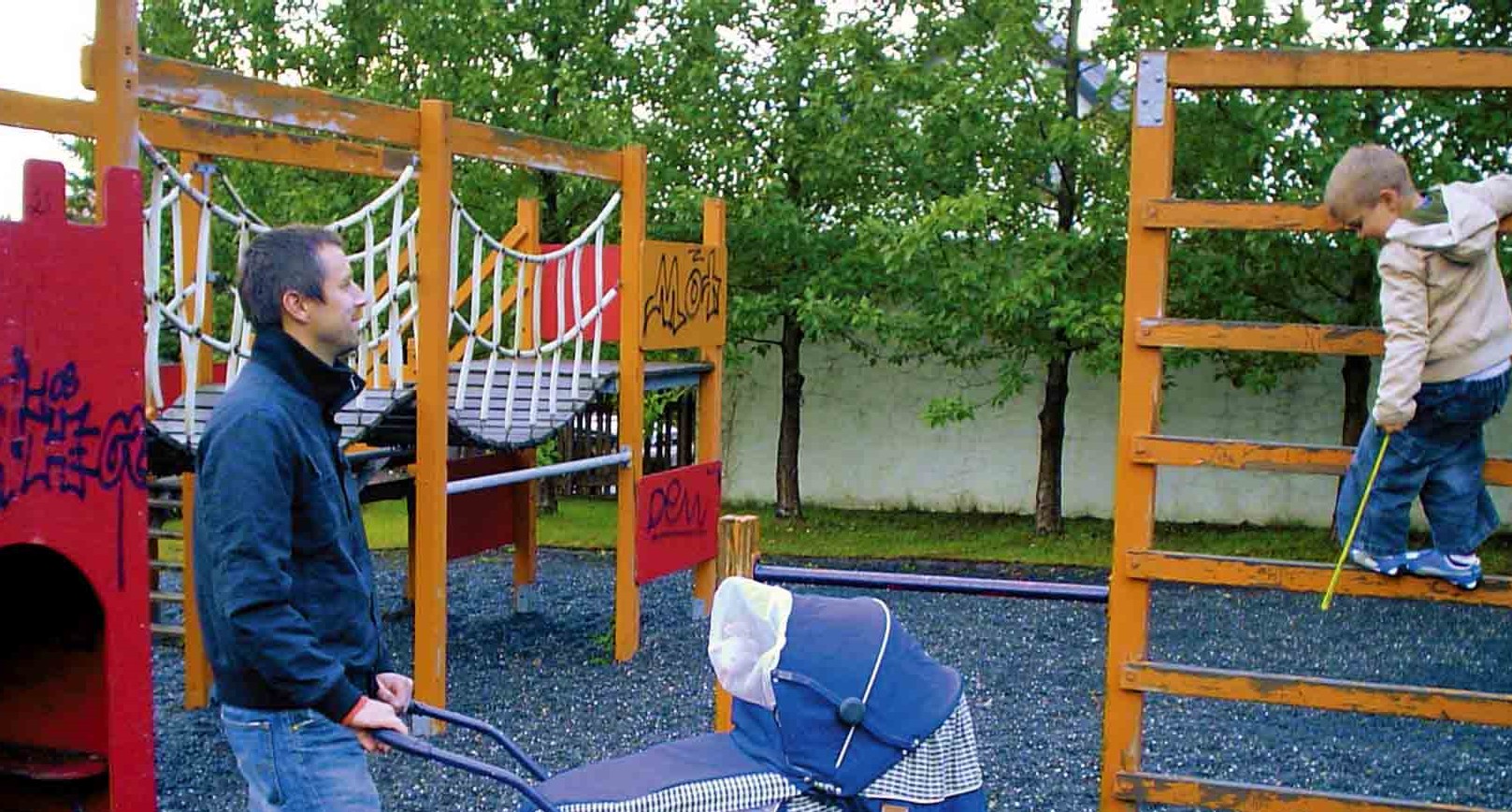
The image of parent and child doesn’t necessarily involve a woman any longer in Iceland. For almost five years fathers in Iceland have been able to take paternity leave, and from day one they have made the most of it. This has been the largest step Iceland has taken towards gender equality. But there are…
6 minutes